
For Plants
Heat & Drought
Composure under heat — vigor that holds when the season runs hot and dry.
When the sun is relentless and the soil dries between waterings, plants tend to clench — leaves curl, color fades, growth stalls. Solace is formulated to help a planting meet those conditions with composure instead, holding turgor and color through the hottest part of the day and carrying its momentum into the cooler hours.
The blend leans on botanicals with a long reputation for thriving where conditions are harsh — high mountain ridges, cold steppes, arid ground. Paired with the mineral- and polysaccharide-rich gel of Atlantic sea moss, it supports the kind of tissue tone and water economy that lets a plant ride out a dry spell without losing its footing.
Used as a regular dilute feed during heat-prone stretches, Solace becomes part of a plant's seasonal armor: steadier growth, more even foliage, and a planting that recovers its rhythm quickly once water and cooler temperatures return.
The botanical chemistry inside
The characterized plant compounds in this blend, documented in phytochemical research. Offered as botanical nutrition for the plant's own vigor and resilience — chemistry and tradition, nothing beyond the plant's own conditioning.
For Plants
Small-batch. Dual-extracted where it matters. Made by hand.
How to apply
Apply as a light foliar feed or soil drench.
Raw powders are for soil drenching only — they do not fully dissolve, so they are not suitable for foliar spraying.
For gardeners and growers facing hot summers, full-sun beds, container plantings, and stretches between waterings. Ideal for anyone who wants their plants to hold steady through the season's most demanding conditions.
Whole plant, never isolated
Concentrated extracts of the whole botanical — the way the body recognizes it.
Cited to measured biology
Every action we describe traces to the compound and its measured target.
Structure & function
We describe what an herb nourishes — never a claim to treat disease.
Secure checkout
Encrypted payment and human verification on every order.
- Free shipping over $150USPS Priority, tracked. $15 standard; ships in 1–3 business days.
- 30-day returnsIn original packaging and resalable condition. Refunded to your original payment method.
What you get
What this formula gives you
Supports steady turgor and composure during peak heat
Helps maintain even foliage color through dry spells
Encourages quick recovery of rhythm after stress eases
Mineral-rich base supports resilient leaf and stem tissue
Fits easily into a heat-season feeding routine
How it works
The science of Heat & Drought
Not buzzwords — the actual chemistry of the plants in this formula: their characterized compounds and the proteins those compounds are measured to engage, every one cited.
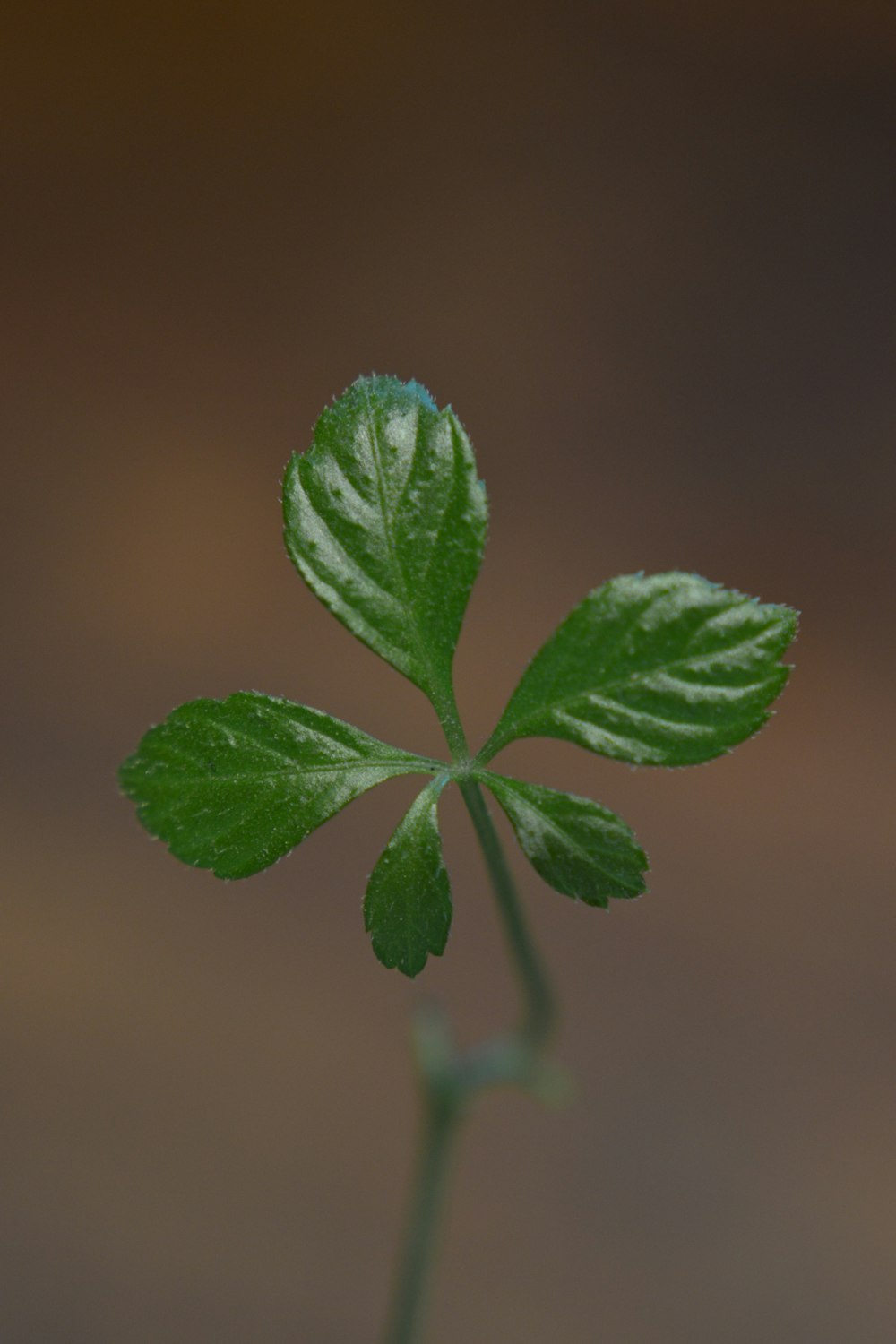
The adaptogenic roots and berries in this feed — schizandra, rhodiola, eleuthero, astragalus — are drawn from East Asian and Siberian traditions where the source plants themselves endure extremes of altitude, cold, and drought. That hardy character is the throughline: botanicals selected for the resilience their own growth habit demonstrates, brought to the planting as a biostimulant.
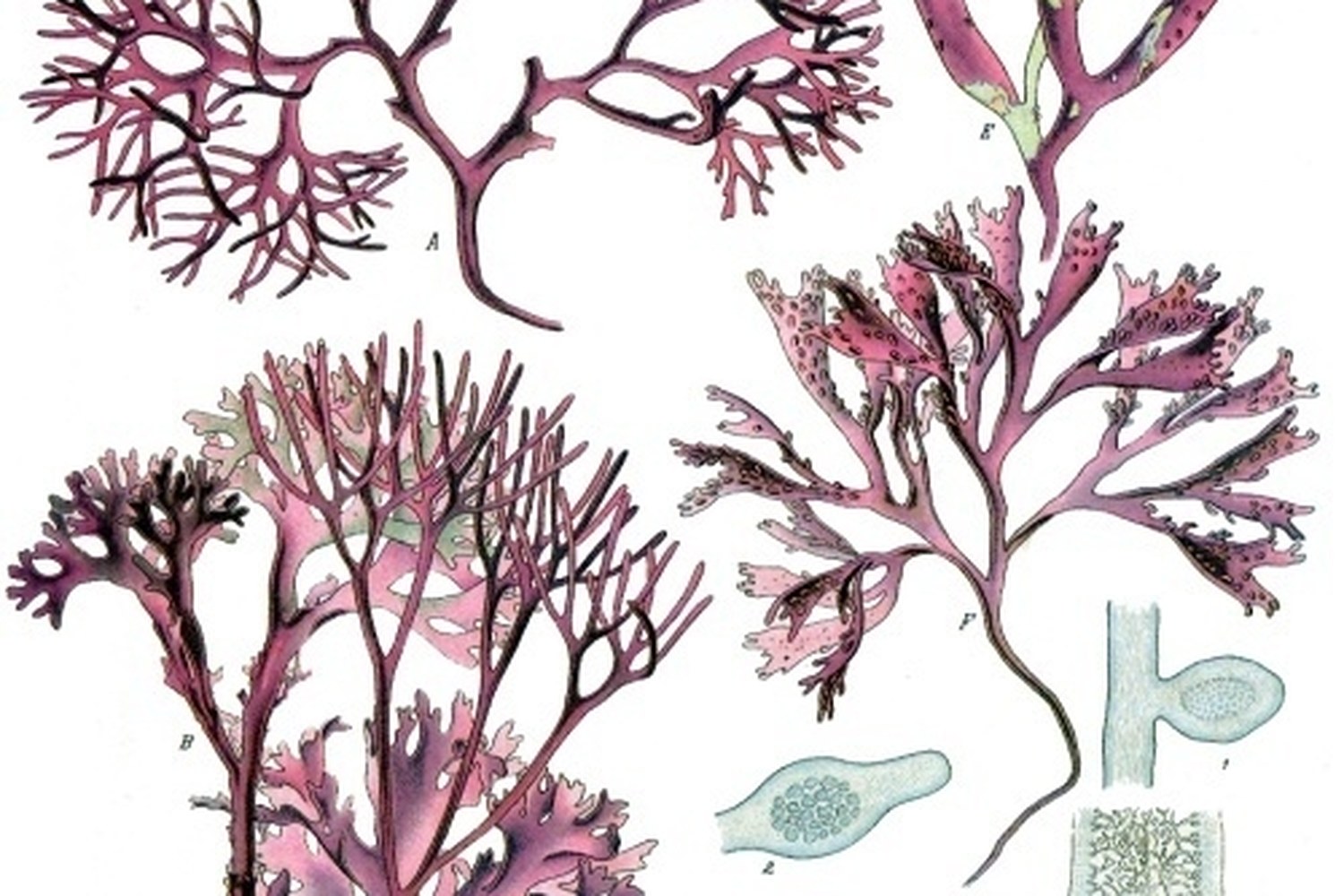
Atlantic Irish sea moss contributes a gel of polysaccharides and a broad mineral spectrum that supports tissue structure and water-holding at the leaf surface, while gynostemma rounds the blend as a vigorous adaptogenic green. Together they support turgor, even color, and steady growth as a structure-and-function feed — never a substitute for sound watering and shade, but a support for the plant's own composure under stress.
The molecules, measured
A formula is a community of compounds. Below are active molecules from the herbs in this blend and the proteins each is measured to engage — the precise points where the plants meet biology. So you see not just that it works, but how.
Schisandra chinensis
Schisandrin B (Wuweizisu B)
PubChem ↗Measured in the lab: binds very tightly to Multidrug resistance-associated protein 1 · IC50 1.25 nM
Measured to act on
A guardian enzyme that senses DNA stress and helps coordinate repair.
A sentinel enzyme that detects DNA breaks and signals the cell to mend them.
An enzyme that helps stitch broken DNA strands back together.
Schisandrin C (= Wuweizisu C)
PubChem ↗Measured to act on
The enzyme that drives the body's inflammatory response.
The liver's busiest enzyme for breaking down compounds the body takes in.
A liver enzyme that helps metabolize and clear many compounds from the body.
Rhodiola rosea
Salidroside
PubChem ↗Measured in the lab: binds tightly to Amine oxidase [flavin-containing] B · IC50 810 nM
Measured to act on
An enzyme that breaks down messenger chemicals like dopamine in the nervous system.
An enzyme that makes prostaglandins for everyday upkeep like protecting the stomach lining.
An enzyme that cuts RNA when it is paired with DNA, part of normal genetic housekeeping.
Tyrosol (p-Tyrosol)
PubChem ↗Measured in the lab: binds tightly to Beta-carbonic anhydrase 1 · Ki 850 nM
Measured to act on
An enzyme that balances carbon dioxide and acidity, abundant in red blood cells.
A fast enzyme that balances carbon dioxide and acidity throughout the body.
A receptor that receives growth signals guiding cell movement, repair, and renewal.
Eleutherococcus senticosus
Eleutheroside B (Syringin)
PubChem ↗Measured to act on
An enzyme that makes prostaglandins, messengers that protect the stomach lining and aid clotting.
An enzyme that breaks down fatty-acid signals involved in blood vessel tone and inflammation.
Sesamin
PubChem ↗Measured to act on
The sensory channel that detects cold and the cooling feel of menthol.
The receptor through which vitamin D guides calcium balance and gene activity.
A signaling enzyme that helps coordinate cell division.
Astragalus membranaceus
Formononetin
PubChem ↗Measured in the lab: binds very tightly to Apoptosis regulator Bcl-2 · Ki 10 nM
Measured to act on
A liver enzyme that breaks down many compounds the body takes in.
An enzyme that edits proteins to manage cellular cleanup and the cell internal scaffolding.
Calycosin
PubChem ↗Measured to act on
A protein that helps organize DNA and acts as an alarm signal during tissue stress.
Chondrus crispus
Taurine
PubChem ↗Measured to act on
A transporter that carries amino acids into cells alongside acidity-balancing protons.
Gynostemma pentaphyllum
Ginsenoside Rb1
PubChem ↗Measured to act on
The cell's energy sensor, balancing fuel use when reserves run low.
Ginsenoside Rd
PubChem ↗Measured to act on
The cell's energy sensor, balancing fuel use when reserves run low.
Cited science · not claims
Everything we publish about these plants traces to a primary source — the compounds to PubChem, ChEMBL, and BindingDB, the traditional uses to named, dated herbals. We describe what a plant is and what it is understood to nourish — the body’s own systems, structure and function only. We do not claim it treats, cures, or prevents any disease, and nothing here is a substitute for professional care. See our method & sources →
These statements have not been evaluated by the Food and Drug Administration. Not intended to diagnose, treat, cure, or prevent any disease.
Why these herbs together
The shared mechanism
More than one botanical in this blend is measured to engage the same molecular targets. We share the convergent chemistry — characterized and cited, never a claim.
Eleuthero · Astragalus · Gynostemma
Eleuthero · Astragalus · Gynostemma
Schizandra · Rhodiola · Eleuthero
Schizandra · Gynostemma
Rhodiola · Gynostemma
Eleuthero · Astragalus
Each convergence is a gene whose protein two or more of this formula’s herbs are measured to engage (PubChem BioAssay & ChEMBL). It describes characterized molecular activity and the protein’s normal role — structure and function only, never a claim to treat, cure, or prevent any disease.
In practice
Who it’s for, and how to use it
Who it’s for
For gardeners and growers facing hot summers, full-sun beds, container plantings, and stretches between waterings. Ideal for anyone who wants their plants to hold steady through the season's most demanding conditions.
How to use it
Dilute 1/8 to 1/4 tsp per gallon of water and apply as a light foliar feed in the cool of morning or evening, or as a soil drench. Repeat every one to two weeks through heat-prone stretches of the season.
Measure · Dilute 1/8 to 1/4 tsp per gallon of water; apply as a light foliar feed or soil drench.
What’s inside
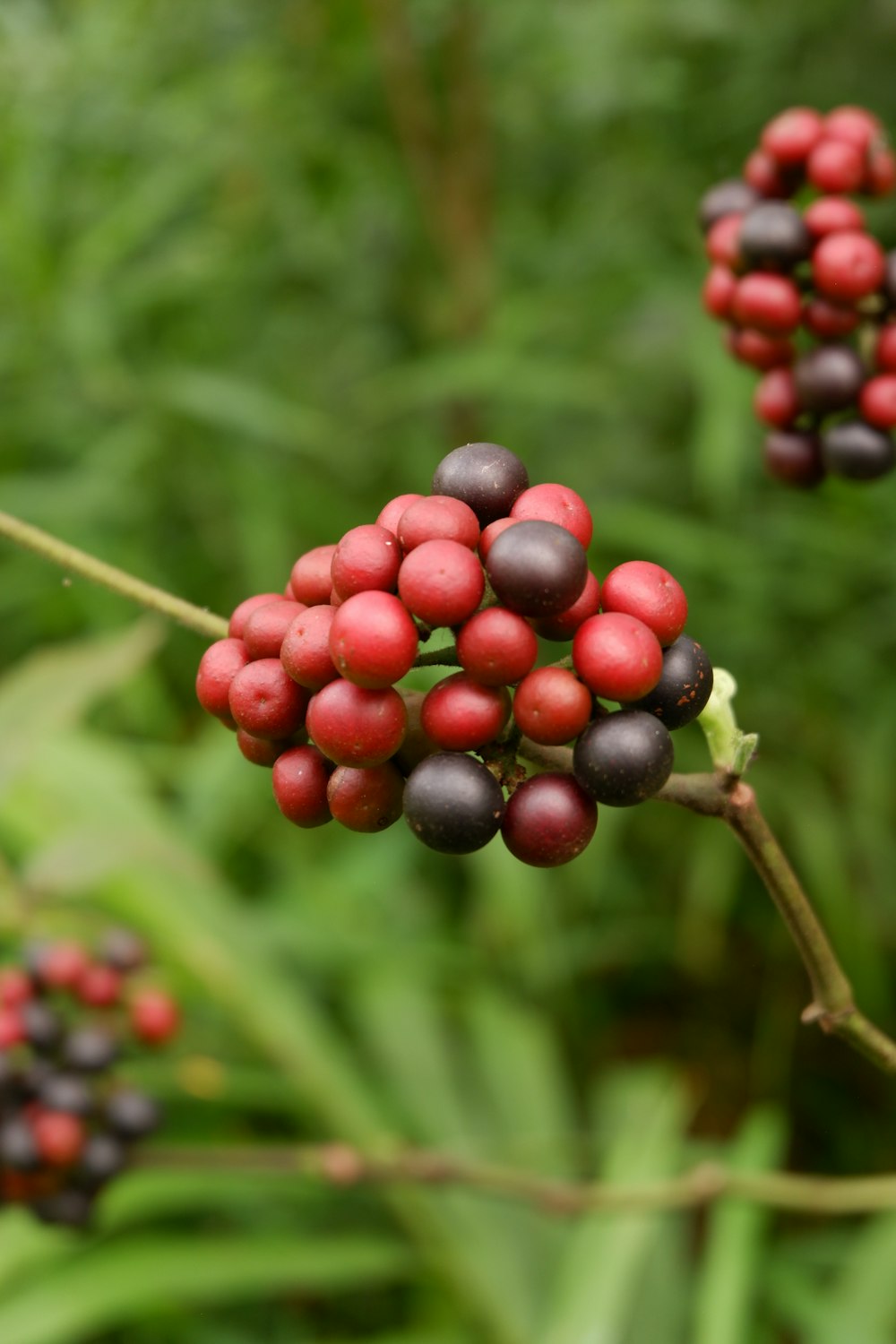
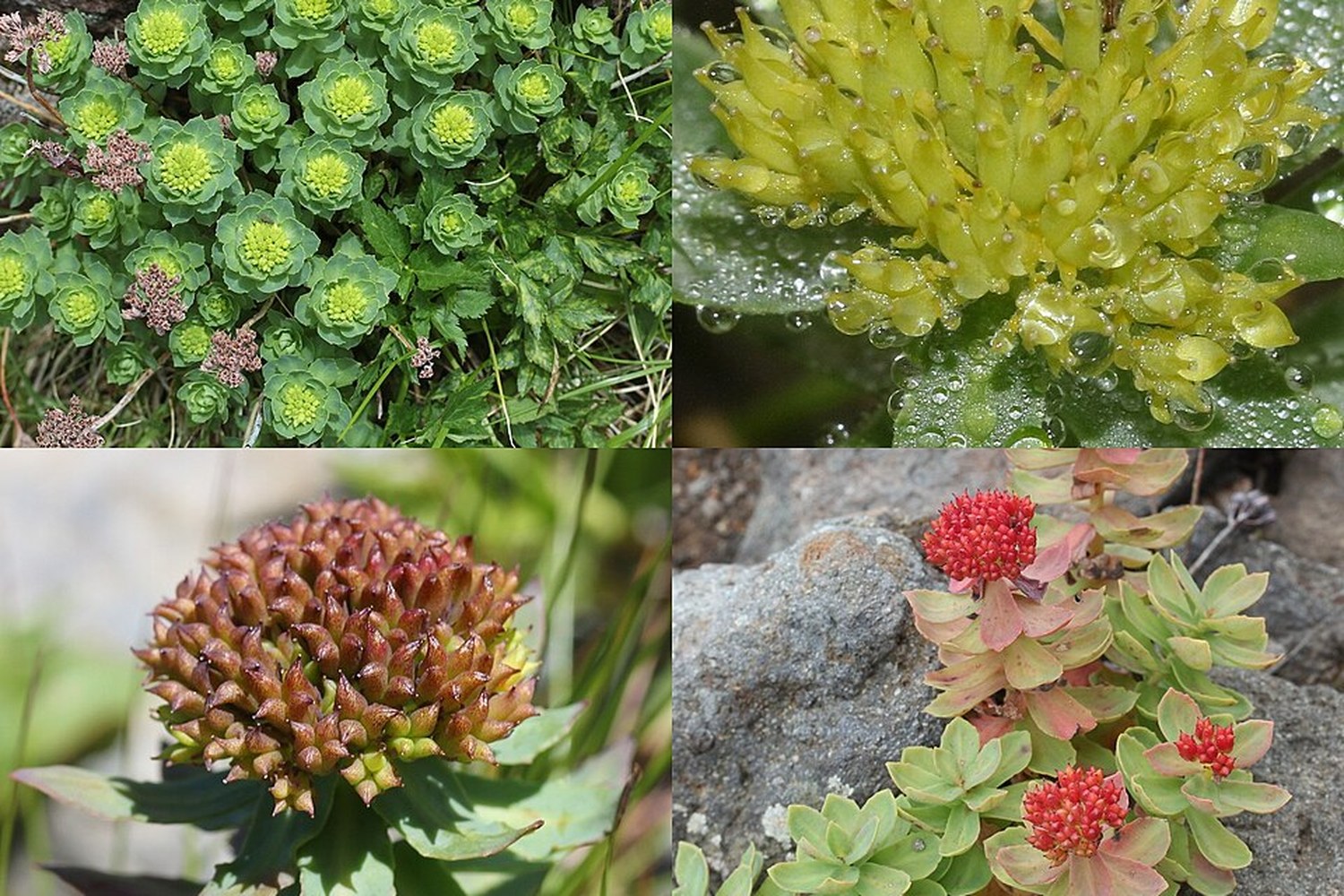
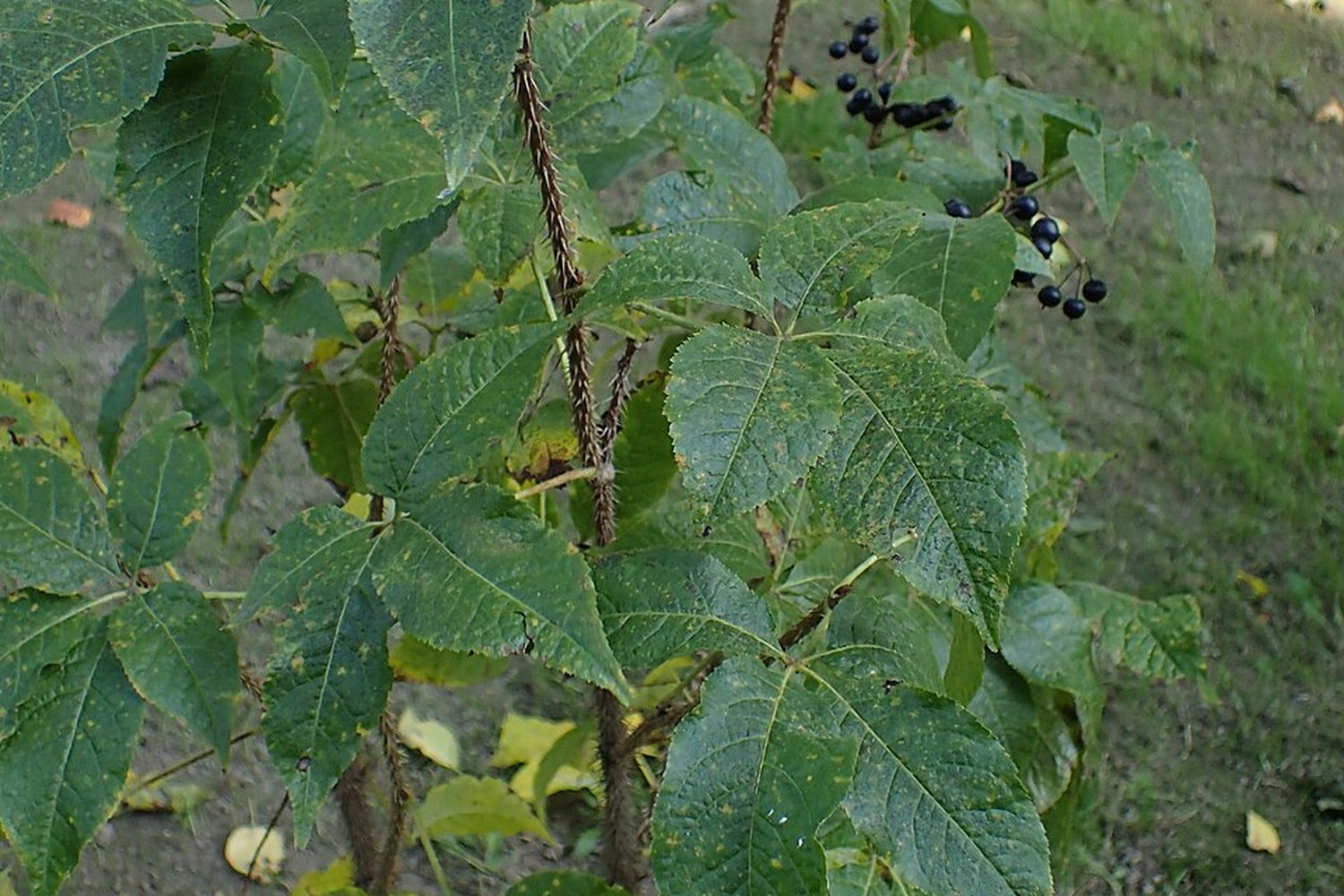
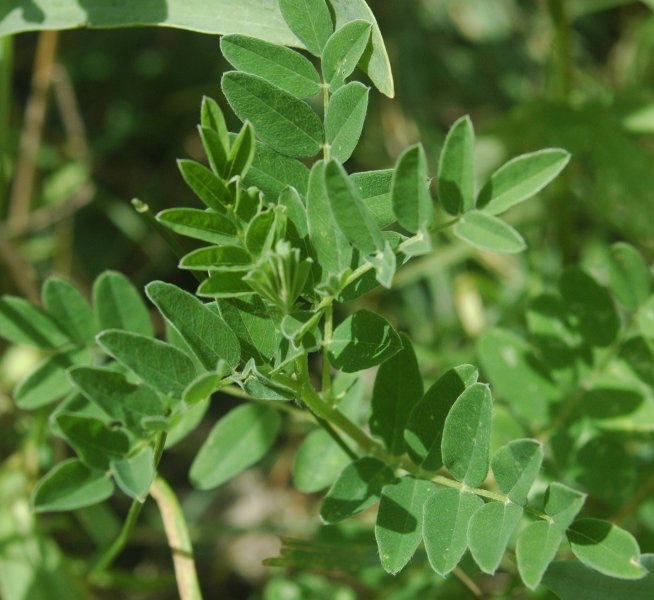
Inside you'll find adaptogenic botanicals whose own plants thrive in punishing climates — schizandra, rhodiola, eleuthero, and astragalus — alongside vigorous gynostemma and the mineral-rich gel of Atlantic Irish sea moss. Chosen for the resilience they carry in their own nature, blended to lend a planting that same composure under heat and drought.
For agricultural and horticultural use. Supports plant growth, vigor, and resilience — not a claim of any effect on human or animal health.
Pairs well with
Formulas that share Heat & Drought's botanicals
Built from overlapping herbs, these reinforce Heat & Drought along the same lines — the shared-botanical kinship our genome engine maps.