For Plants
Soil
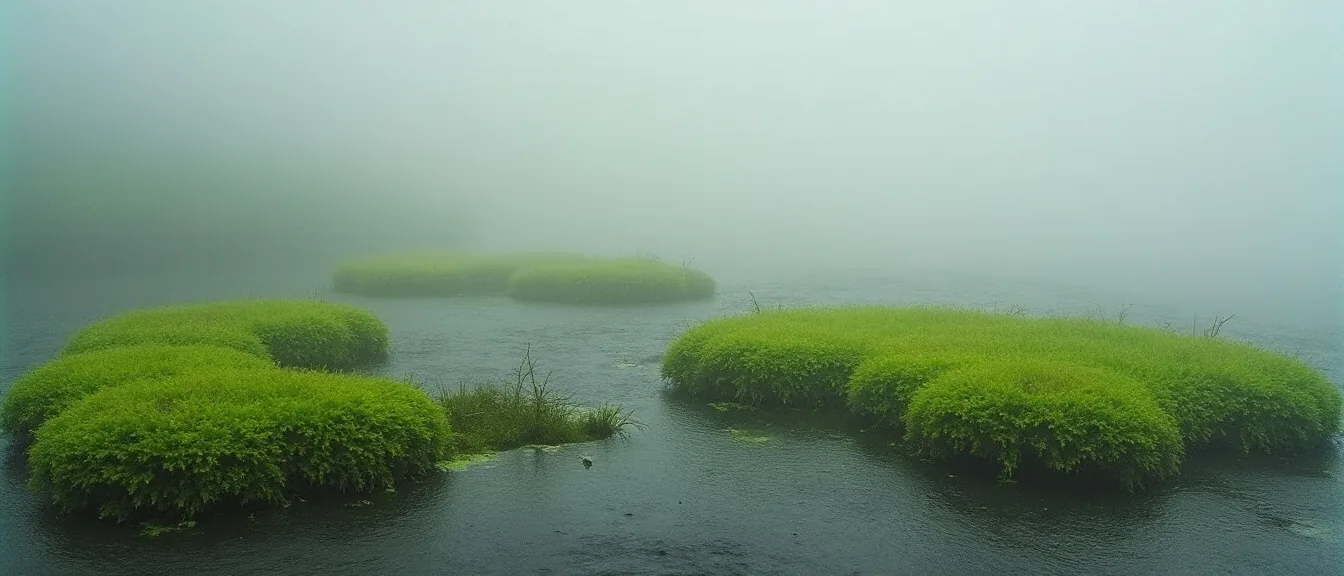
Living ground, built from the bottom up — feed the soil and the soil feeds the plant.
Soil is the foundation formula of the GGG Plants line — a feed for the ground itself rather than the leaf. Most growers reach for a plant tonic when something looks off above the surface. Soil works the other direction: it tends the dark, living terrain under the root zone, on the simple agronomic truth that a plant is only ever as vigorous as the ground it stands in. Build the soil, and a great deal of what you'd otherwise chase above ground takes care of itself.
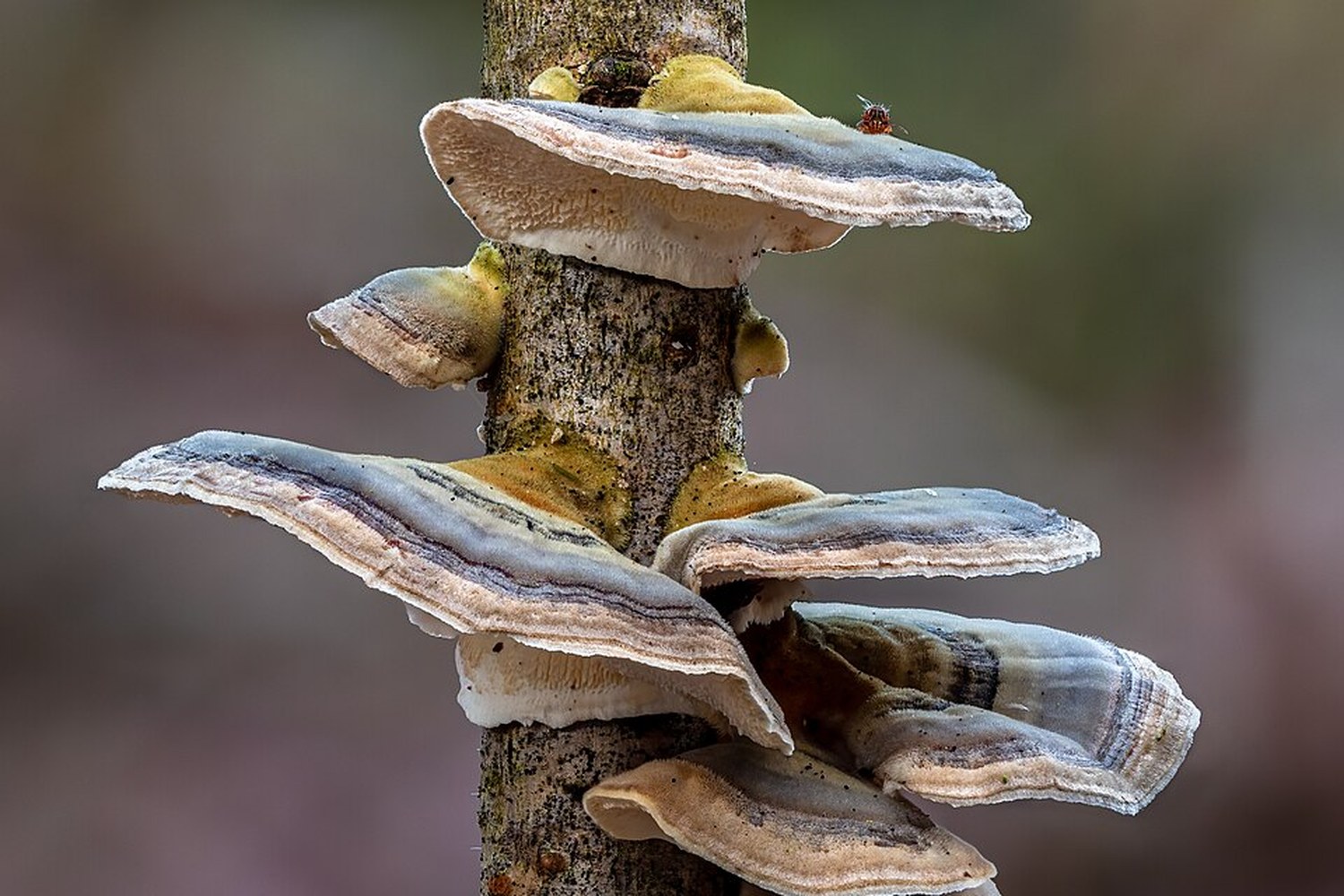
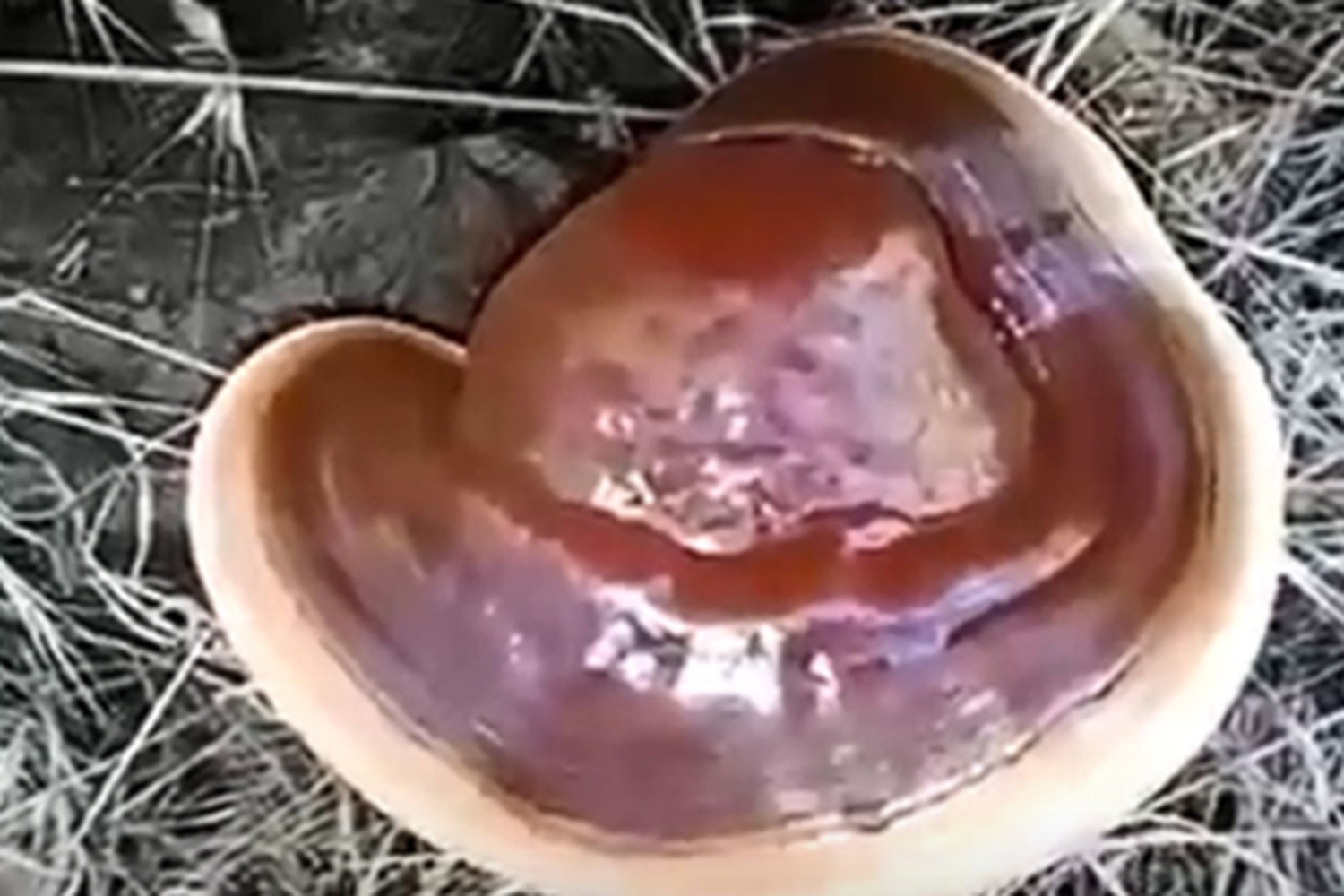
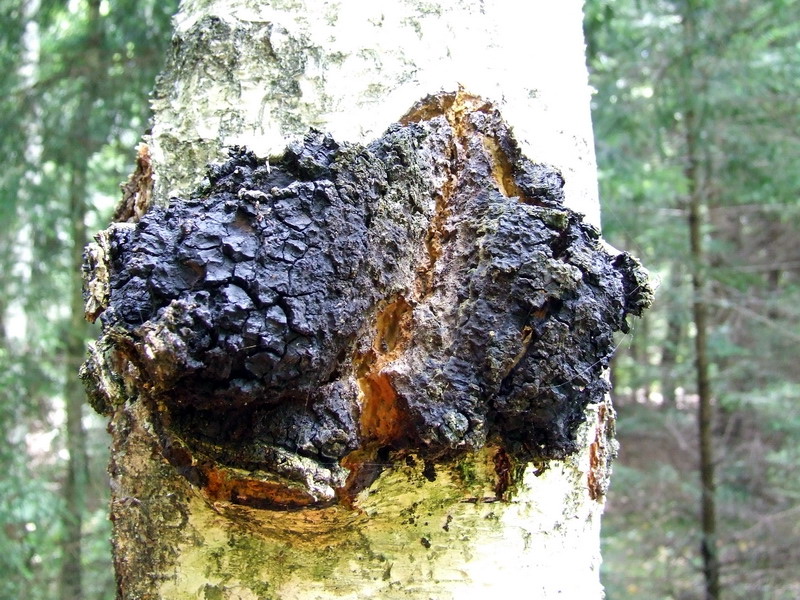
At its heart are the most studied medicinal mushrooms on earth — reishi, turkey tail, and chaga — chosen here not for anything they do inside a body but for the role their kind plays in the field. Fungi are the original soil-builders. In every healthy forest floor and pasture, fungal networks are the connective tissue between root and mineral, breaking down organic matter into a form roots can actually take up and weaving a structure that holds water and air. A dilute drench of these botanicals is a way of inviting that same living architecture into your pots and beds.
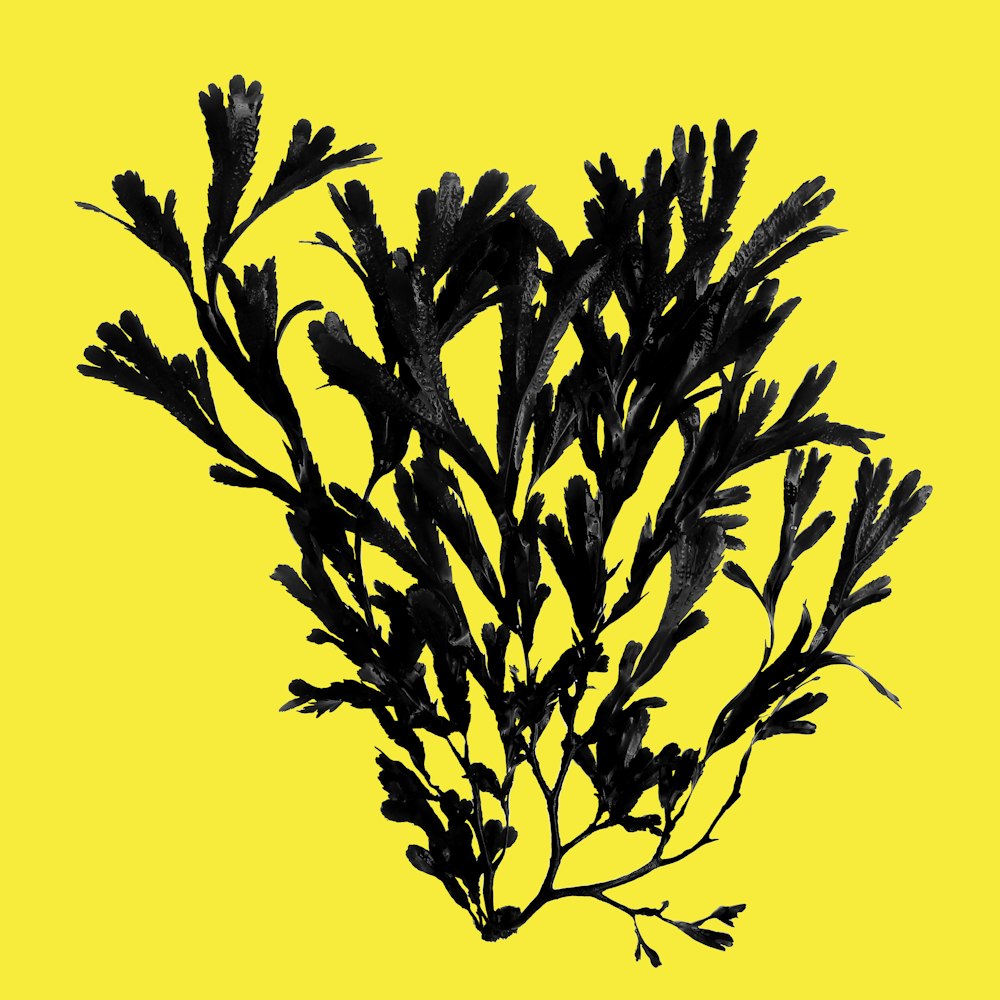
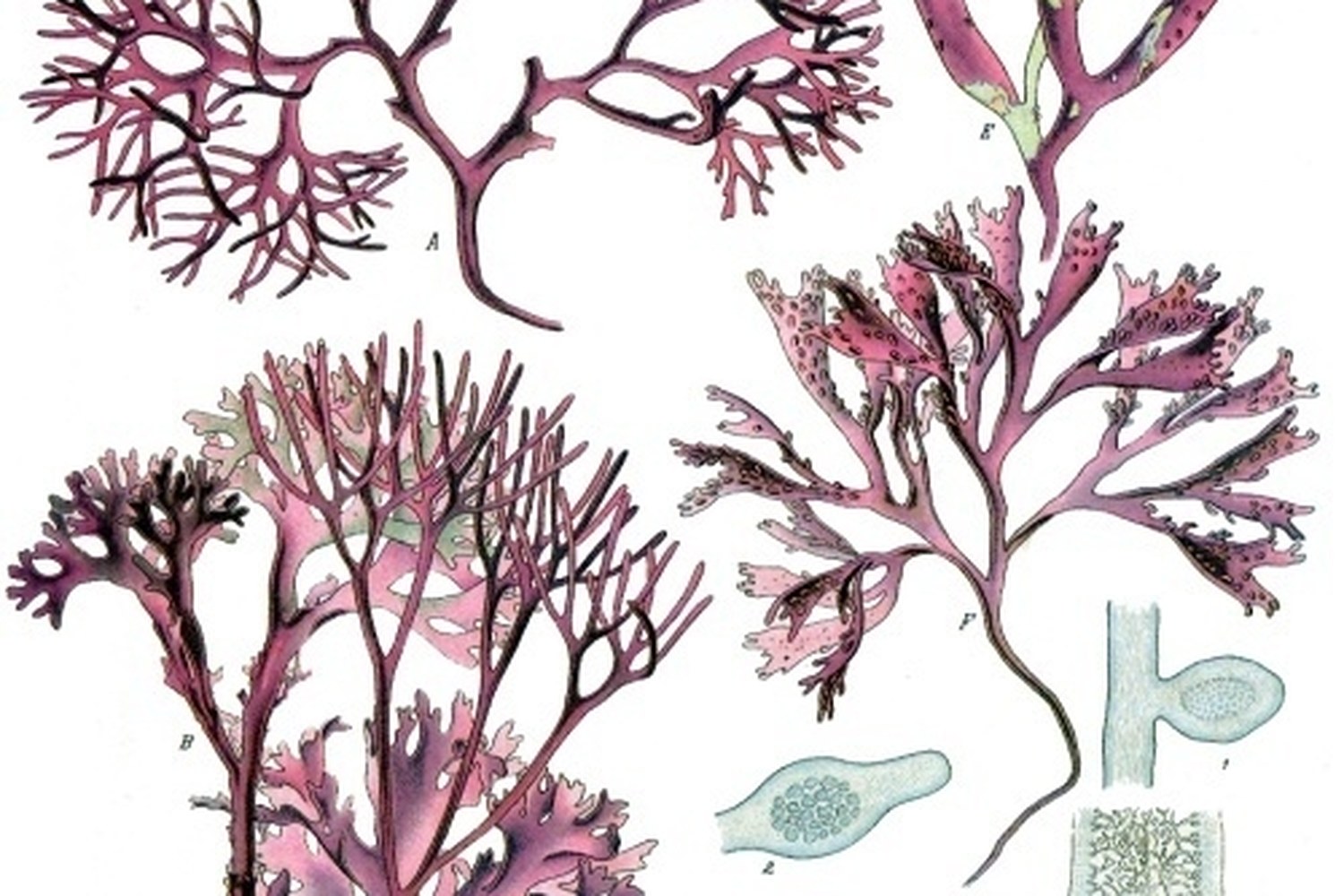
Woven through the mushrooms are the gifts of the cold North Atlantic — bladderwrack seaweed and Atlantic Irish sea moss. Seaweeds have been turned into the soil by coastal growers for centuries, from the Aran Islands to the coasts of Brittany and Japan, and for good reason: they carry a broad spectrum of minerals and trace elements in a soft, water-soluble, plant-recognizable form. Where the mushrooms tend the biology, the sea plants feed the mineral side of the equation. The two halves make one whole — a living, mineral-rich root zone.
Used as a light monthly foliar feed or a fuller soil drench, Soil is a slow, foundational practice rather than a quick correction. It is meant to be the thing you give the ground on a rhythm — building terrain season over season so that everything else you grow has somewhere worth growing from.
The botanical chemistry inside
The characterized plant compounds in this blend, documented in phytochemical research. Offered as botanical nutrition for the plant's own vigor and resilience — chemistry and tradition, nothing beyond the plant's own conditioning.
For Plants
Small-batch. Dual-extracted where it matters. Made by hand.
How to apply
Foliar feed at the lighter rate, or soil drench at the fuller rate, about once a month or every other feeding.
Raw powders are for soil drenching only — they do not fully dissolve, so they are not suitable for foliar spraying.
For the grower who understands that everything starts in the ground — anyone tending houseplants, garden beds, raised beds, or potted media who wants to build living, mineral-rich soil as a long-term foundation rather than chase symptoms above the surface. Ideal as the base of a regular feeding rhythm, and a natural pairing with the rest of the GGG Plants line. This is a feed for soil and plants only — not for people or animals.
Whole plant, never isolated
Concentrated extracts of the whole botanical — the way the body recognizes it.
Cited to measured biology
Every action we describe traces to the compound and its measured target.
Structure & function
We describe what an herb nourishes — never a claim to treat disease.
Secure checkout
Encrypted payment and human verification on every order.
- Free shipping over $150USPS Priority, tracked. $15 standard; ships in 1–3 business days.
- 30-day returnsIn original packaging and resalable condition. Refunded to your original payment method.
What you get
What this formula gives you
Supports a living, mineral-rich root zone — the foundation the whole plant is built on
Feeds soil biology with fungal polysaccharides, the natural carbon that healthy ground is made of
Delivers a broad spectrum of sea-sourced minerals and trace elements in a soft, water-soluble, root-ready form
Builds soil structure that holds water and air better over time — terrain that improves season over season
Works gently as either a light foliar feed or a fuller soil drench, on a slow monthly rhythm
A single grounded foundation feed for pots, beds, and grow media alike
How it works
The science of Soil
Not buzzwords — the actual chemistry of the plants in this formula: their characterized compounds and the proteins those compounds are measured to engage, every one cited.
The mushrooms in Soil — reishi, turkey tail, and chaga — share a class of compounds that is well measured in each: long-chain polysaccharides, the fungal cell-wall sugars often called beta-glucans, alongside characteristic sterols and triterpenes (reishi's ganoderic acids, turkey tail's ergosterol and ergosterol peroxide, chaga's betulinic acid drawn up from the birch it grows on). In the plant world these polysaccharides matter as soil structure and food: they are the sticky, water-holding scaffolding that fungal life lays down through the root zone, and the kind of carbon that soil biology recognizes and works with. This is the agronomic case for the formula — feeding the terrain, not dosing the plant.
The two sea plants carry the mineral half. Atlantic Irish sea moss (Chondrus crispus) and bladderwrack (Fucus) are built from soft, water-soluble polysaccharides — galactose-rich carrageenans in the moss, alginates and mannitol in the bladderwrack — and they concentrate a remarkably broad mineral and trace-element profile from seawater, including naturally occurring iodine, alongside carotenoids like fucoxanthin and beta-carotene. Diluted into a feed, these dissolve into exactly the kind of gentle, broad-spectrum mineral availability that a root takes up readily, which is why turned-in seaweed has been a coastal soil amendment for generations.
Together the formula is structure plus minerals: fungal carbon and polysaccharide scaffolding to support a living root zone, sea-plant minerals and trace elements to feed it. Everything described here is the agronomy of soil and plant vigor — building living, mineral-rich ground — and nothing more. These are statements about cultivating terrain, not health claims of any kind.
The molecules, measured
A formula is a community of compounds. Below are active molecules from the herbs in this blend and the proteins each is measured to engage — the precise points where the plants meet biology. So you see not just that it works, but how.
Trametes versicolor
Ergosterol
PubChem ↗Measured to act on
An enzyme that produces nitric oxide as part of the immune and inflammatory response.
A liver enzyme that attaches sugar groups to compounds so the body can clear them.
Ergosterol peroxide
PubChem ↗Measured in the lab: binds to Nitric oxide synthase, inducible · IC50 6.3 µM
Measured to act on
An enzyme that converts glucose into sorbitol, part of how cells handle sugar.
An enzyme that produces nitric oxide as part of the immune and inflammatory response.
A receptor that senses bile acids and helps govern fat, cholesterol, and bile balance.
Ganoderma lucidum
Ganoderic acid A
PubChem ↗Measured to act on
An enzyme that locally regenerates active cortisol, shaping how tissues respond to the body's stress hormone.
An enzyme that quiets cortisol inside kidney and salt-handling tissues, helping govern fluid and mineral balance.
An enzyme that converts glucose into sorbitol, part of how cells handle sugar.
Ganoderic acid B
PubChem ↗Measured to act on
The enzyme that breaks down acetylcholine, resetting nerve and muscle signals between pulses.
A blood enzyme that breaks down acetylcholine and helps clear certain compounds from circulation.
An enzyme that converts glucose into sorbitol, part of how cells handle sugar.
Fucus vesiculosus
Phloroglucinol
PubChem ↗Measured to act on
A gateway in the cell membrane that lets calcium in to trigger nerve and muscle activity.
An enzyme that cuts proteins at the cell surface, part of normal protein turnover.
Chondrus crispus
Taurine
PubChem ↗Measured to act on
A transporter that carries amino acids into cells alongside acidity-balancing protons.
Inonotus obliquus
Betulinic acid
PubChem ↗Measured in the lab: binds tightly to Albumin · Kd 593 nM
Measured to act on
A receptor inside cells that helps direct immune cell development and daily body rhythms.
An enzyme that recycles the building blocks of DNA and cellular energy molecules.
An enzyme that helps repair and copy DNA to keep the genetic code intact.
Protocatechuic acid
PubChem ↗Measured in the lab: binds tightly to Carbonic anhydrase 2 · Ki 470 nM
Measured to act on
An enzyme that balances carbon dioxide and acidity throughout the body's fluids.
An enzyme that helps manage carbon dioxide and acid-base balance in the blood.
Cited science · not claims
Everything we publish about these plants traces to a primary source — the compounds to PubChem, ChEMBL, and BindingDB, the traditional uses to named, dated herbals. We describe what a plant is and what it is understood to nourish — the body’s own systems, structure and function only. We do not claim it treats, cures, or prevents any disease, and nothing here is a substitute for professional care. See our method & sources →
These statements have not been evaluated by the Food and Drug Administration. Not intended to diagnose, treat, cure, or prevent any disease.
Why these herbs together
The shared mechanism
More than one botanical in this blend is measured to engage the same molecular targets. We share the convergent chemistry — characterized and cited, never a claim.
Turkey Tail · Reishi · Chaga
Turkey Tail · Reishi
Turkey Tail · Reishi
Turkey Tail · Reishi
Reishi · Chaga
Each convergence is a gene whose protein two or more of this formula’s herbs are measured to engage (PubChem BioAssay & ChEMBL). It describes characterized molecular activity and the protein’s normal role — structure and function only, never a claim to treat, cure, or prevent any disease.
In practice
Who it’s for, and how to use it
Who it’s for
For the grower who understands that everything starts in the ground — anyone tending houseplants, garden beds, raised beds, or potted media who wants to build living, mineral-rich soil as a long-term foundation rather than chase symptoms above the surface. Ideal as the base of a regular feeding rhythm, and a natural pairing with the rest of the GGG Plants line. This is a feed for soil and plants only — not for people or animals.
How to use it
Dilute 1/8 to 1/4 teaspoon per gallon of water. Use the lighter rate as a foliar feed (misted onto leaves) or the fuller rate as a soil drench (poured into the root zone), about once a month or every other feeding. Shake or stir well to disperse before applying. Because Soil is a foundation feed, consistency matters more than strength — a steady monthly drench through the growing season builds terrain far better than an occasional heavy dose. Start at the lighter rate for seedlings, young plants, and anything sensitive.
Measure · Dilute 1/8 to 1/4 teaspoon per gallon of water. Foliar feed at the lighter rate, or soil drench at the fuller rate, about once a month or every other feeding.
What’s inside
Inside: a grounded blend of convergent botanicals — reishi, turkey tail, and chaga mushrooms with North Atlantic bladderwrack and Atlantic Irish sea moss. Three forest fungi to tend the living biology of the ground, two cold-water sea plants to carry its minerals. The same lineage that anchors our People and Pets formulas, turned toward the soil itself — because in our practice, you feed the ground first, and the ground feeds everything that grows from it.
For agricultural and horticultural use. Supports plant growth, vigor, and resilience — not a claim of any effect on human or animal health.
Pairs well with
Formulas that share Soil's botanicals
Built from overlapping herbs, these reinforce Soil along the same lines — the shared-botanical kinship our genome engine maps.