
For Plants
Root Zone
Wake the soil and feed the roots — a richer, more biologically alive root zone, and a root system with the vigor to explore it.
Rhizome is what you reach for when you want to tend the part of the garden that decides everything and that you never see — the rhizosphere, the thin living shell of soil around the roots where biology, not chemistry, governs how a plant feeds. Most feeding programs pour nutrients past this zone. Rhizome works inside it: a fungal-and-taproot drench that brings the soil's own microbial community a richer table to work from, and the root system the conditions to push into that table with vigor. You are not force-feeding the plant a salt; you are feeding the living web the plant has always fed through.
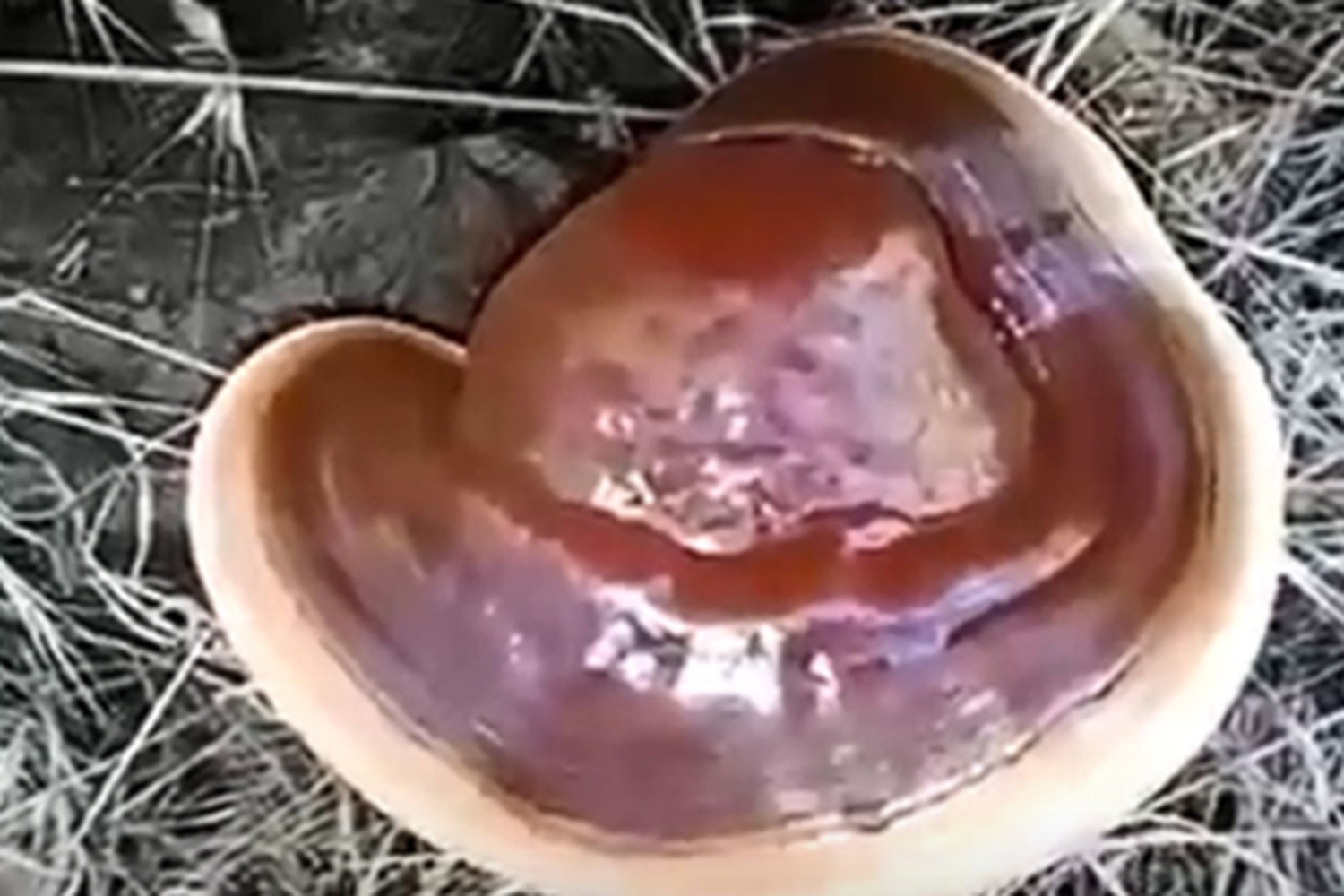
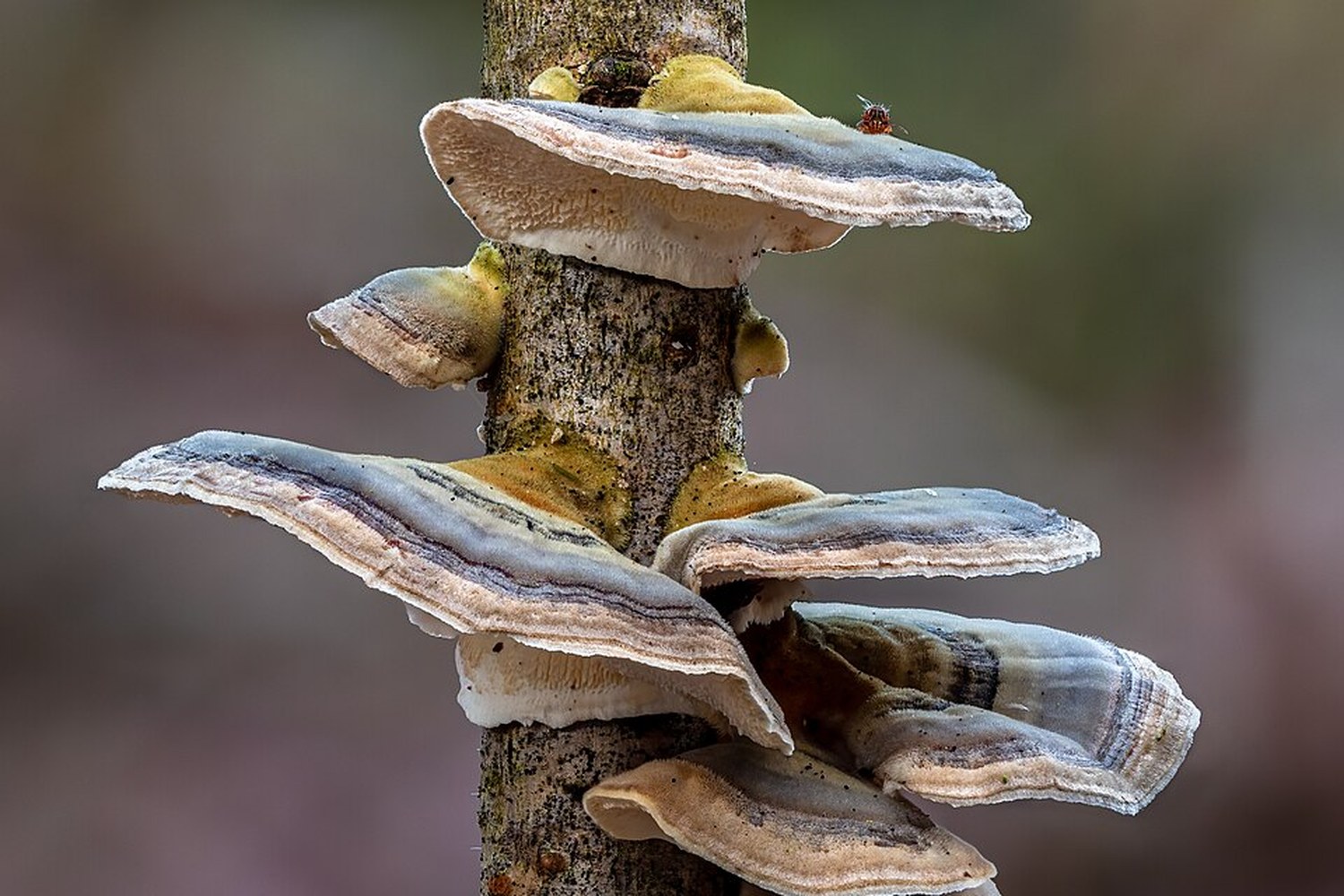
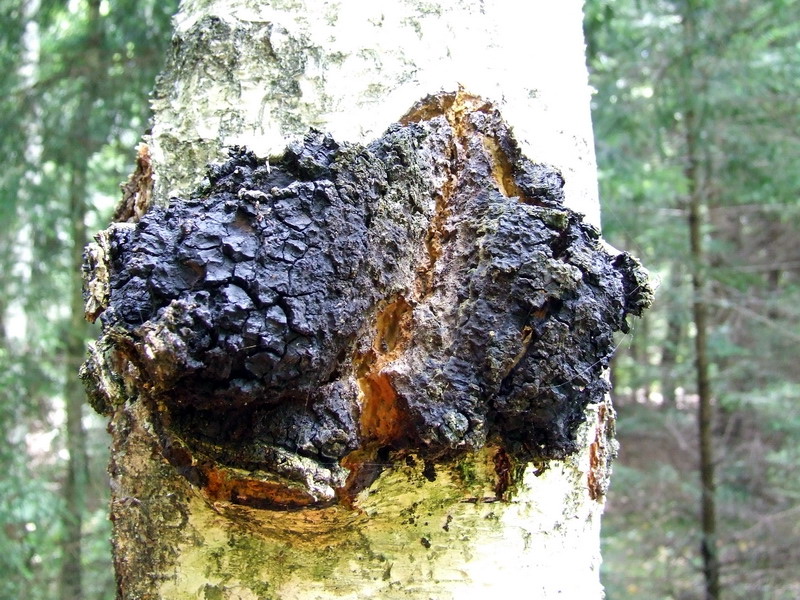
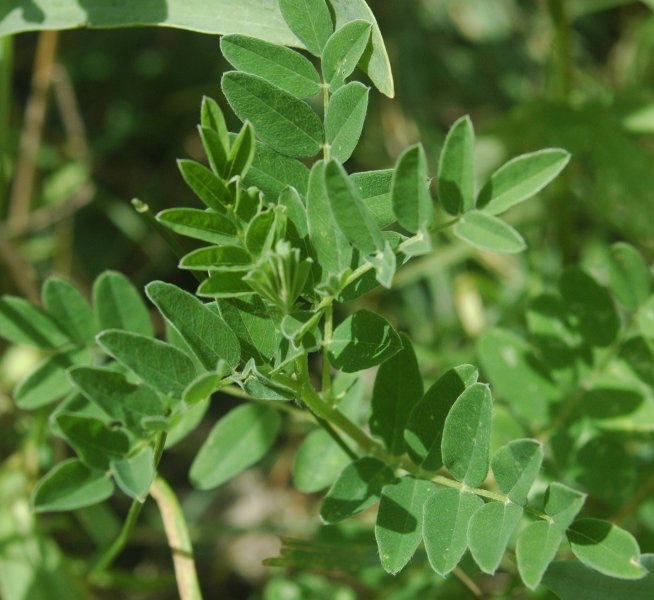
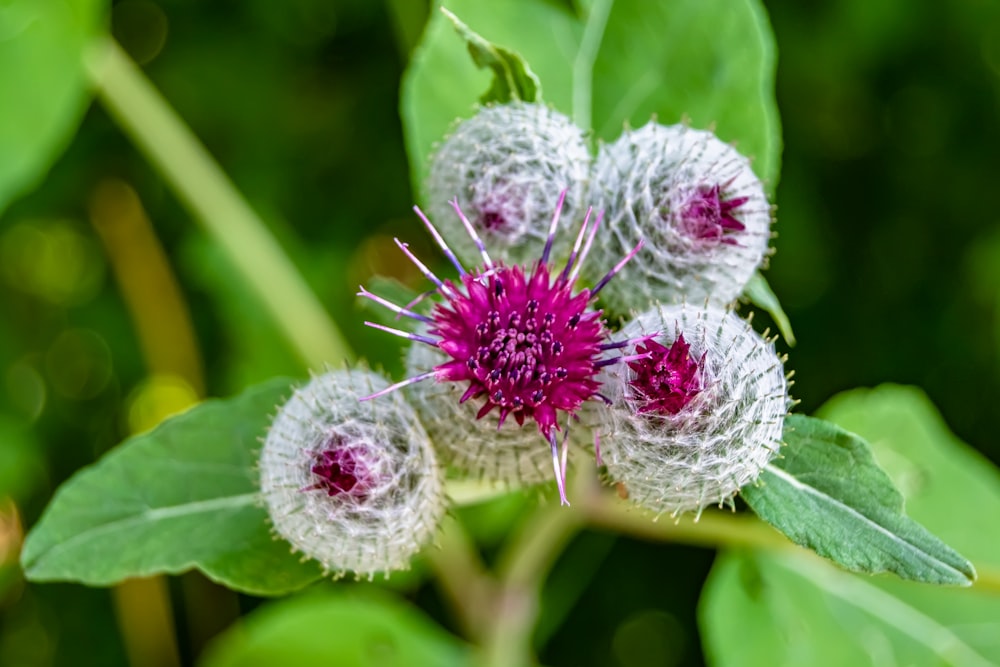
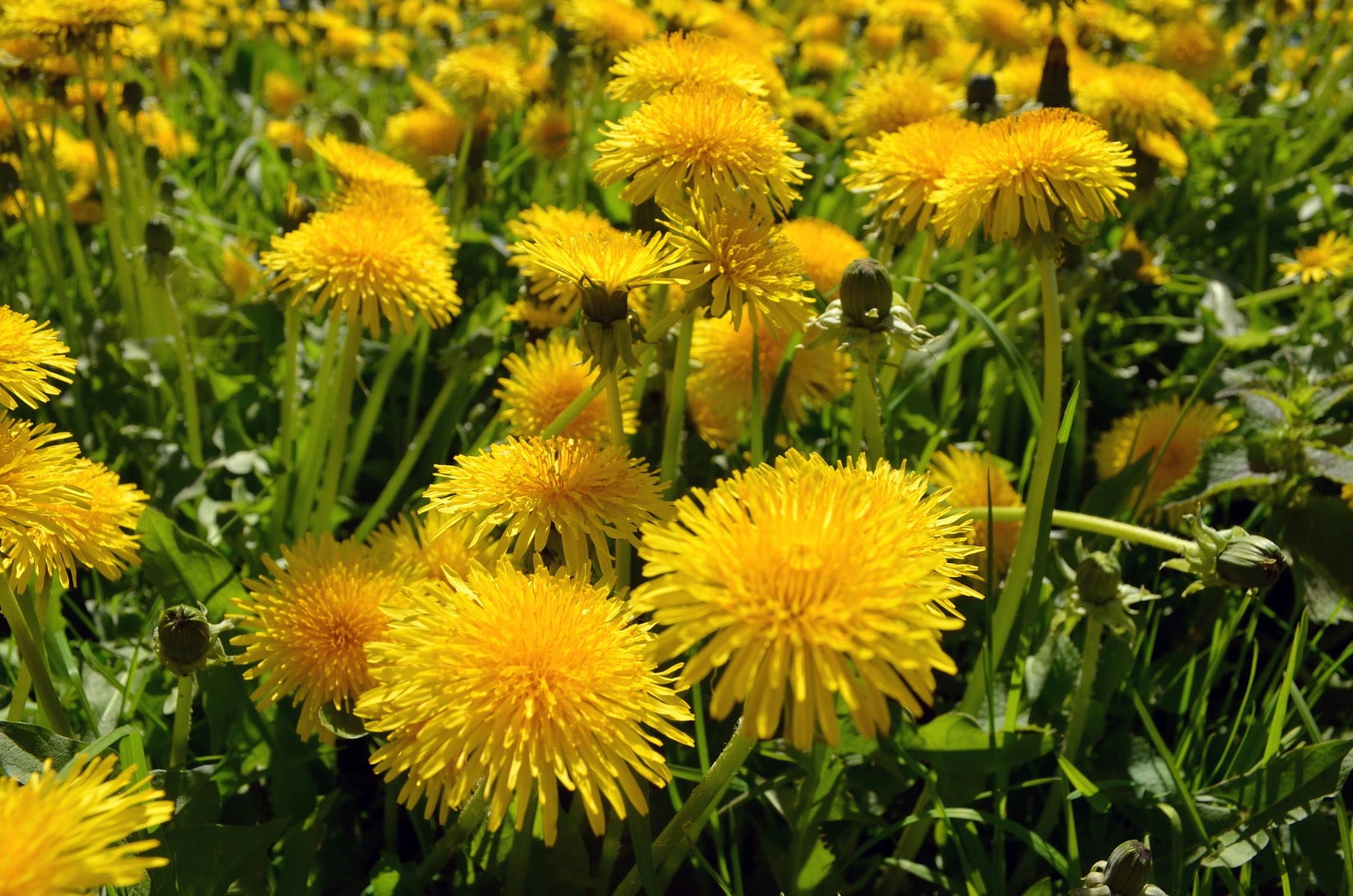
The thinking behind it is drawn straight from the soil itself. It is built on saprophytic and wood-decay mushrooms — reishi, turkey tail, and chaga — fungi whose whole life is the breaking down of tough material into food that roots and microbes can use; their mycelial chemistry speaks the soil food web's native language. Alongside them sit the great bitter taproots of the clearing tradition, burdock and dandelion, both dense with inulin, a prebiotic fructan that soil microbes thrive on, and both plants that drive a deep taproot through hard ground and lift what they find. Astragalus adds a polysaccharide-rich tonic root, and licorice, the harmonizer of every herbal lineage, lends a demulcent mucilage that helps the whole drench wet and adhere across soil crumb and root surface alike.
In practice this is a foundation drench for the root zone in any phase — establishment, vegetative building, or carrying a mature planting through a hard stretch. It supports a more biologically active rhizosphere and a root system with the vigor to colonize it, which is where uptake, resilience, and steady growth are actually decided. It is a complement to your feeding program, not a replacement for it: Rhizome does not supply nitrogen, phosphorus, and potassium — it helps build the living root zone that makes better use of the food you already give.
The botanical chemistry inside
The characterized plant compounds in this blend, documented in phytochemical research. Offered as botanical nutrition for the plant's own vigor and resilience — chemistry and tradition, nothing beyond the plant's own conditioning.
For Plants
Small-batch. Dual-extracted where it matters. Made by hand.
How to apply
Dilute 1/8 to 1/4 teaspoon per gallon of water and apply as a soil drench at the root zone (it can also be worked in as a light foliar feed).
Raw powders are for soil drenching only — they do not fully dissolve, so they are not suitable for foliar spraying.
For the grower who tends the soil first — anyone building a living root zone in a bed, pot, or row, establishing transplants, or carrying a mature planting through a demanding stretch. A complement to your regular feeding program (it does not replace N-P-K), most valuable applied steadily as a root-zone drench from establishment onward.
Whole plant, never isolated
Concentrated extracts of the whole botanical — the way the body recognizes it.
Cited to measured biology
Every action we describe traces to the compound and its measured target.
Structure & function
We describe what an herb nourishes — never a claim to treat disease.
Secure checkout
Encrypted payment and human verification on every order.
- Free shipping over $150USPS Priority, tracked. $15 standard; ships in 1–3 business days.
- 30-day returnsIn original packaging and resalable condition. Refunded to your original payment method.
What you get
What this formula gives you
A more biologically active rhizosphere — feed the soil web, not past it
Vigorous, exploratory root development where uptake is actually decided
Prebiotic fructans and fungal glucans the soil biology can genuinely use
A wetting, adhering drench that carries across soil crumb and root surface
Support for nutrient uptake, so the plant makes more of the food you give it
How it works
The science of Root Zone
Not buzzwords — the actual chemistry of the plants in this formula: their characterized compounds and the proteins those compounds are measured to engage, every one cited.
Start with the fungi, because the soil food web is, more than anything, a fungal economy. Reishi, turkey tail, and chaga are saprophytic and wood-decay mushrooms whose mycelium exists to dismantle tough lignified material into forms roots and microbes can take up; their extracts are rich in fungal beta-glucans and polysaccharides — the same structural carbohydrate signatures the soil biology is built to read and feed on. Delivered to the root zone, this mycelial chemistry brings the rhizosphere a familiar, biologically meaningful carbon source rather than an inert salt. Turkey tail and chaga add a dense polyphenol and antioxidant complement on top of the glucans, the kind of surface-active molecules that support a hospitable interface between root and soil.
The taproot core follows. Burdock and dandelion are both inulin plants — their roots store fructans that are a classic prebiotic, a preferred food for beneficial soil microbes — and both carry the bitter phenolic and sesquiterpene character of the clearing-and-opening tradition. Astragalus reinforces the polysaccharide content with its rich complement of root polysaccharides and triterpene saponins (the astragalosides), surface-active molecules that help the formula move across soil and root surfaces. Licorice earns its place by function: across the entire herbal lineage it is the harmonizer, a demulcent root whose mucilaginous polysaccharides and glycyrrhizin give the blend cohesion and a wetting, adhering character. The net effect is not one dramatic lever but a balanced delivery of fungal glucans, prebiotic fructans, saponins, and polyphenols — building-block and microbe-feeding chemistry — that supports a living root zone, nutrient uptake, and exploratory root development. Structure and function, soil to root.
The molecules, measured
A formula is a community of compounds. Below are active molecules from the herbs in this blend and the proteins each is measured to engage — the precise points where the plants meet biology. So you see not just that it works, but how.
Ganoderma lucidum
Ganoderic acid A
PubChem ↗Measured to act on
An enzyme that locally regenerates active cortisol, shaping how tissues respond to the body's stress hormone.
An enzyme that quiets cortisol inside kidney and salt-handling tissues, helping govern fluid and mineral balance.
An enzyme that converts glucose into sorbitol, part of how cells handle sugar.
Ganoderic acid B
PubChem ↗Measured to act on
The enzyme that breaks down acetylcholine, resetting nerve and muscle signals between pulses.
A blood enzyme that breaks down acetylcholine and helps clear certain compounds from circulation.
An enzyme that converts glucose into sorbitol, part of how cells handle sugar.
Trametes versicolor
Ergosterol
PubChem ↗Measured to act on
An enzyme that produces nitric oxide as part of the immune and inflammatory response.
A liver enzyme that attaches sugar groups to compounds so the body can clear them.
Ergosterol peroxide
PubChem ↗Measured in the lab: binds to Nitric oxide synthase, inducible · IC50 6.3 µM
Measured to act on
An enzyme that converts glucose into sorbitol, part of how cells handle sugar.
An enzyme that produces nitric oxide as part of the immune and inflammatory response.
A receptor that senses bile acids and helps govern fat, cholesterol, and bile balance.
Inonotus obliquus
Betulinic acid
PubChem ↗Measured in the lab: binds tightly to Albumin · Kd 593 nM
Measured to act on
A receptor inside cells that helps direct immune cell development and daily body rhythms.
An enzyme that recycles the building blocks of DNA and cellular energy molecules.
An enzyme that helps repair and copy DNA to keep the genetic code intact.
Protocatechuic acid
PubChem ↗Measured in the lab: binds tightly to Carbonic anhydrase 2 · Ki 470 nM
Measured to act on
An enzyme that balances carbon dioxide and acidity throughout the body's fluids.
An enzyme that helps manage carbon dioxide and acid-base balance in the blood.
Astragalus membranaceus
Formononetin
PubChem ↗Measured in the lab: binds very tightly to Apoptosis regulator Bcl-2 · Ki 10 nM
Measured to act on
A liver enzyme that breaks down many compounds the body takes in.
An enzyme that edits proteins to manage cellular cleanup and the cell internal scaffolding.
Calycosin
PubChem ↗Measured to act on
A protein that helps organize DNA and acts as an alarm signal during tissue stress.
Arctium lappa
Arctigenin
PubChem ↗Measured in the lab: binds very tightly to Dual specificity mitogen-activated protein kinase kinase 1 · IC50 1 nM
Measured to act on
A signaling enzyme that passes growth messages along a relay chain inside the cell.
A liver enzyme involved in processing a variety of compounds the body encounters.
A receptor that switches certain genes on, helping guide immune-cell development.
Chlorogenic acid
PubChem ↗Measured in the lab: binds very tightly to Tyrosine-protein phosphatase non-receptor type 1 · IC50 100 nM
Measured to act on
An enzyme that removes phosphate tags from proteins, helping regulate insulin and metabolic signaling.
An enzyme that converts excess glucose into sorbitol, part of normal sugar metabolism.
Taraxacum officinale
Luteolin
PubChem ↗Measured to act on
A receptor that helps guide immune cell development and daily metabolic rhythms.
A major liver enzyme that processes and clears a large share of dietary and plant compounds.
An enzyme that breaks down purines, producing uric acid as a byproduct.
Apigenin
PubChem ↗Measured to act on
A major liver enzyme that processes and clears a large share of dietary and plant compounds.
The enzyme that converts androgens into estrogens, balancing the body's hormones.
An enzyme that breaks down serotonin and other mood-related brain messengers.
Glycyrrhiza glabra
18beta-Glycyrrhetinic acid (enoxolone)
PubChem ↗Measured in the lab: binds very tightly to 11-beta-hydroxysteroid dehydrogenase type 2 · IC50 1.2 nM
Measured to act on
A kidney enzyme that switches off cortisol, helping the body manage salt and fluid balance.
A signaling enzyme involved in skin cell growth and how cells respond to their environment.
A structural protein that forms the scaffold giving each cell nucleus its shape and stability.
Liquiritigenin
PubChem ↗Measured in the lab: binds very tightly to Estrogen receptor beta · EC50 37 nM
Measured to act on
A receptor that reads the hormone estrogen, helping govern reproductive and other tissues.
The building-block protein of the internal scaffolding that gives cells shape and moves their parts.
Cited science · not claims
Everything we publish about these plants traces to a primary source — the compounds to PubChem, ChEMBL, and BindingDB, the traditional uses to named, dated herbals. We describe what a plant is and what it is understood to nourish — the body’s own systems, structure and function only. We do not claim it treats, cures, or prevents any disease, and nothing here is a substitute for professional care. See our method & sources →
These statements have not been evaluated by the Food and Drug Administration. Not intended to diagnose, treat, cure, or prevent any disease.
Why these herbs together
The shared mechanism
More than one botanical in this blend is measured to engage the same molecular targets. We share the convergent chemistry — characterized and cited, never a claim.
Reishi · Turkey Tail · Astragalus · Burdock · Dandelion
Chaga · Burdock · Dandelion · Licorice
Astragalus · Burdock · Dandelion
Reishi · Turkey Tail · Chaga
Reishi · Licorice
Reishi · Licorice
Each convergence is a gene whose protein two or more of this formula’s herbs are measured to engage (PubChem BioAssay & ChEMBL). It describes characterized molecular activity and the protein’s normal role — structure and function only, never a claim to treat, cure, or prevent any disease.
In practice
Who it’s for, and how to use it
Who it’s for
For the grower who tends the soil first — anyone building a living root zone in a bed, pot, or row, establishing transplants, or carrying a mature planting through a demanding stretch. A complement to your regular feeding program (it does not replace N-P-K), most valuable applied steadily as a root-zone drench from establishment onward.
How to use it
Dissolve 1/8 to 1/4 teaspoon per gallon of water and apply as a soil drench at the root zone, working it in at watering; it can also be used as a light foliar feed. Apply steadily from establishment through the growing season to build and maintain a living rhizosphere.
Measure · Dilute 1/8 to 1/4 teaspoon per gallon of water and apply as a soil drench at the root zone (it can also be worked in as a light foliar feed).
What’s inside
Inside is a root-zone kingdom: the saprophytic mushrooms reishi, turkey tail, and chaga — fungi whose whole nature is to feed the soil web — joined to the deep bitter taproots burdock and dandelion, both rich in the prebiotic fructan inulin that soil microbes thrive on, with polysaccharide-dense astragalus to tone the blend and licorice, the great harmonizer, to wet and bind the whole. Fungi and taproots, chosen because the soil food web and the roots that draw from it are one living system, and this feeds both at once. With gratitude to the plants and the soil that make it work.
For agricultural and horticultural use. Supports plant growth, vigor, and resilience — not a claim of any effect on human or animal health.
Pairs well with
Formulas that share Root Zone's botanicals
Built from overlapping herbs, these reinforce Root Zone along the same lines — the shared-botanical kinship our genome engine maps.