
For Plants
Minerals
Ocean minerals at the root — fuller nutrition, stronger uptake.
Tide feeds the plant the way a tide feeds a shoreline: with a broad, trace-mineral-rich wash that the root zone can draw from steadily. Applied as a dilute drench or foliar pass, it widens the menu of elements available to the plant and supports the uptake pathways that move nutrition into leaf and stem.
Cold-water seaweeds are among the most respected biostimulant materials in regenerative and natural-farming practice — not for any single nutrient, but for the spectrum of trace minerals and growth-supporting compounds they carry. Paired with a mineral-dense green and a mineral that holds and exchanges nutrient cations in the root zone, Tide keeps nutrition present and mobile rather than locked away.
The result over a feeding cycle is a plant working from a fuller mineral base: steadier color, sturdier growth, and the kind of resilient vigor that comes when the root zone is never short on what the canopy is asking for.
The botanical chemistry inside
The characterized plant compounds in this blend, documented in phytochemical research. Offered as botanical nutrition for the plant's own vigor and resilience — chemistry and tradition, nothing beyond the plant's own conditioning.
For Plants
Small-batch. Dual-extracted where it matters. Made by hand.
How to apply
Apply as a light foliar feed or soil drench.
Raw powders are for soil drenching only — they do not fully dissolve, so they are not suitable for foliar spraying.
For growers who want a mineral-forward feed that keeps nutrition available and moving into the plant. Well suited to vegetable beds, fruiting plants, and any crop you want carrying a fuller mineral base.
Whole plant, never isolated
Concentrated extracts of the whole botanical — the way the body recognizes it.
Cited to measured biology
Every action we describe traces to the compound and its measured target.
Structure & function
We describe what an herb nourishes — never a claim to treat disease.
Secure checkout
Encrypted payment and human verification on every order.
- Free shipping over $150USPS Priority, tracked. $15 standard; ships in 1–3 business days.
- 30-day returnsIn original packaging and resalable condition. Refunded to your original payment method.
What you get
What this formula gives you
Broadens the spectrum of trace minerals available at the root zone
Supports nutrient availability and root uptake
Encourages steadier color and sturdier growth
Adds natural seaweed growth-supporting compounds
Works as a gentle foliar feed or soil drench across the cycle
How it works
The science of Minerals
Not buzzwords — the actual chemistry of the plants in this formula: their characterized compounds and the proteins those compounds are measured to engage, every one cited.
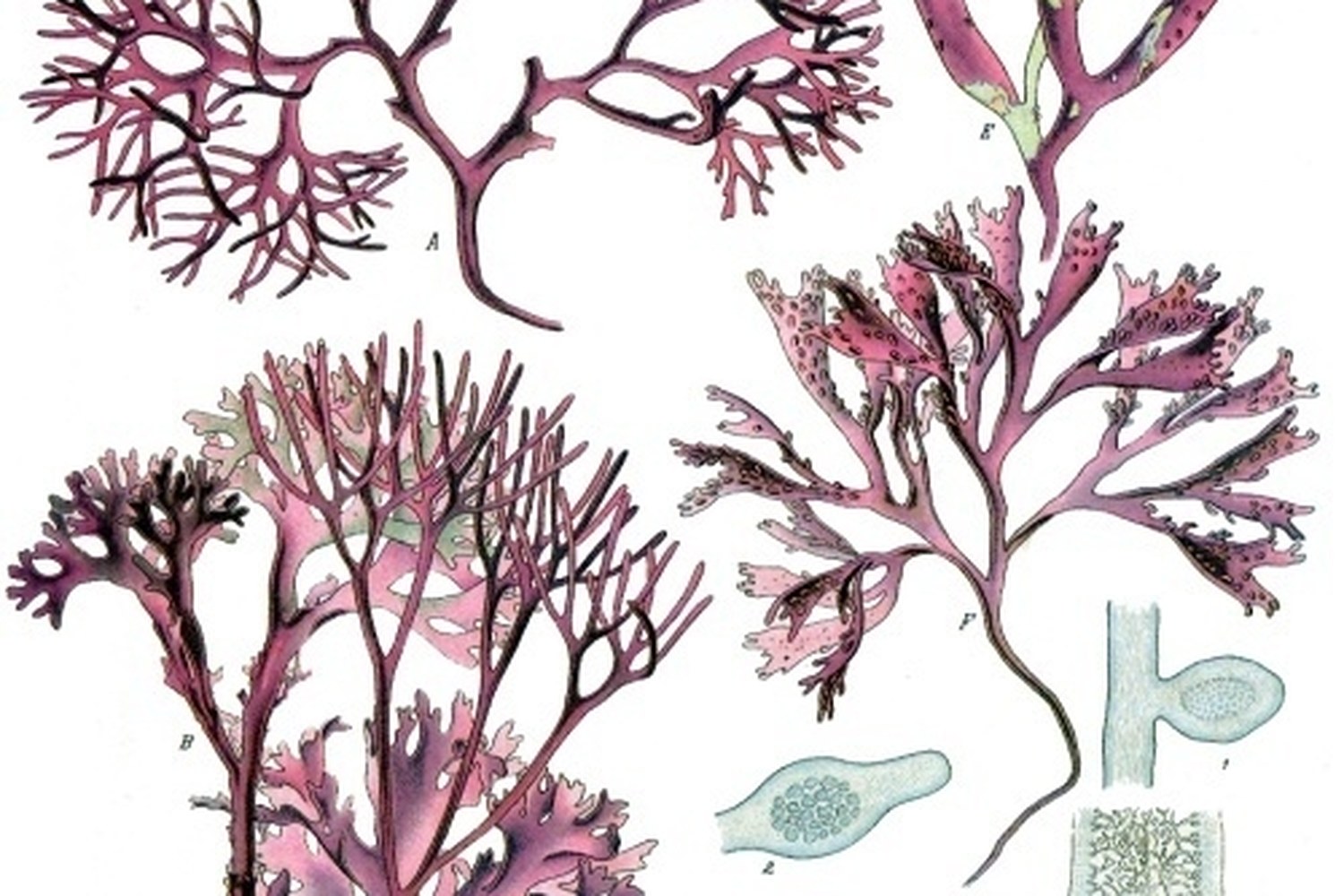
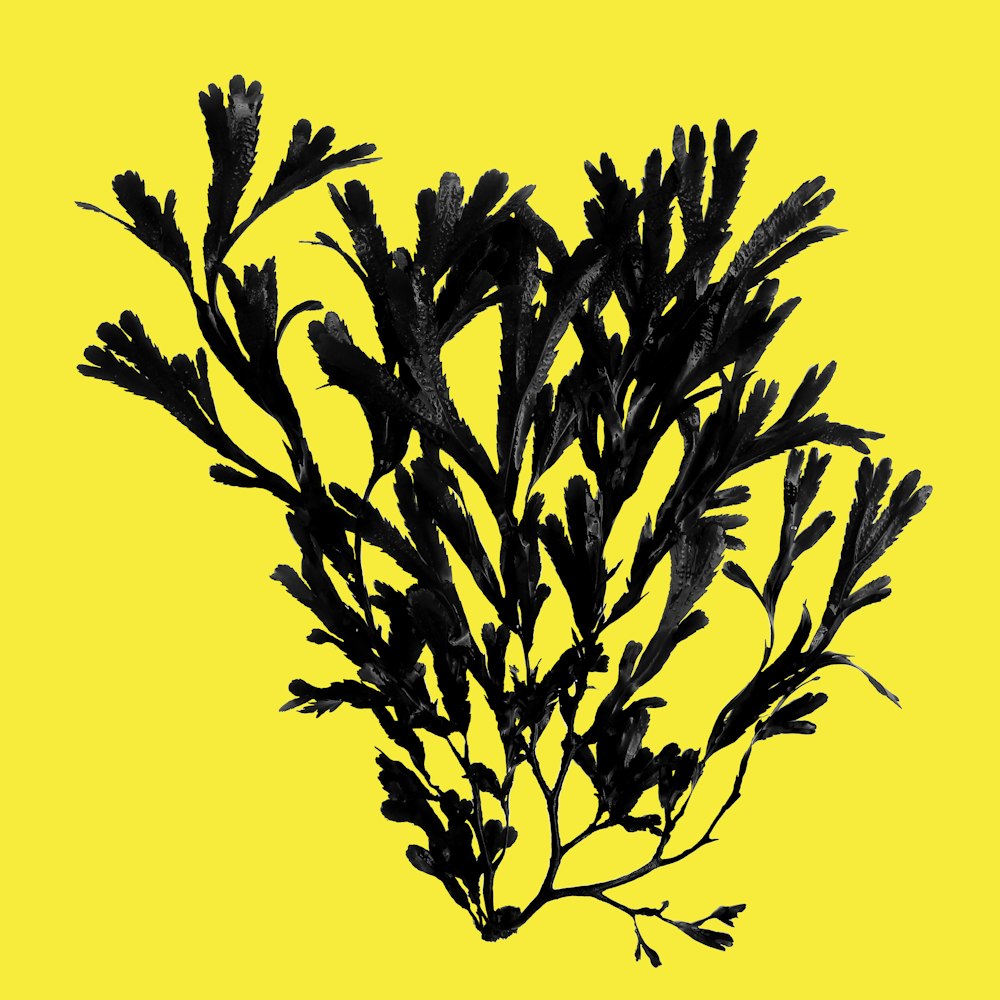
Seaweeds such as Atlantic Irish sea moss and bladderwrack have a long agronomic history as biostimulant feeds. Their value is structural rather than fertilizer-like: alongside potassium and a wide band of trace minerals, they carry natural growth-supporting compounds that practitioners associate with stronger root activity and tolerance of stress. Bladderwrack in particular is a mineral-rich brown seaweed long folded into soil and foliar programs.
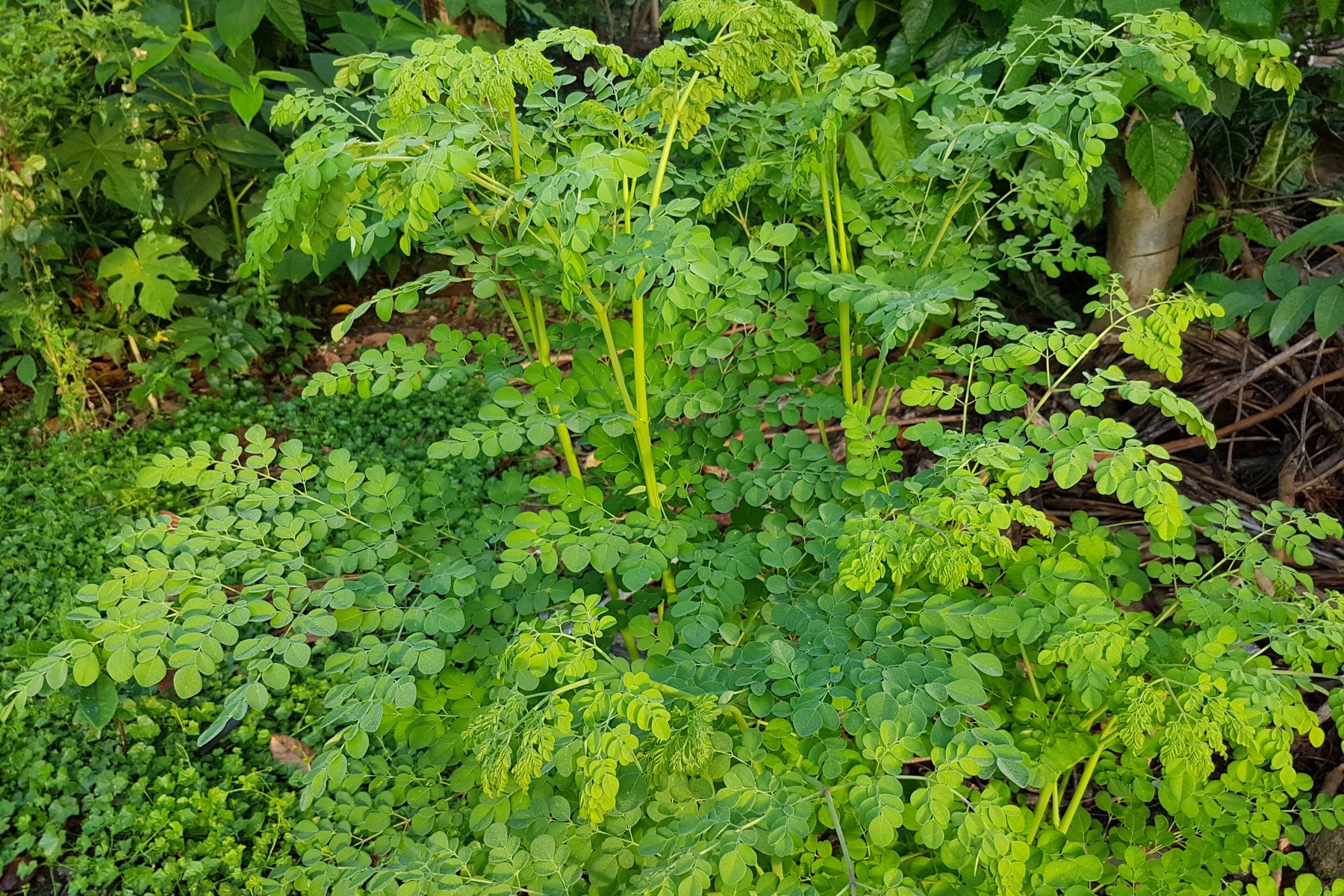
Moringa is a notably mineral-dense green used in natural farming as a foliar feed, contributing a leafy spectrum of elements, while wheat grass adds chlorophyll-rich green tissue minerals. Zeolite contributes through cation exchange — its lattice holds and releases nutrient cations in the root zone, which supports availability and reduces the chance of minerals washing past the roots before they can be drawn up. Together the blend addresses both the supply of minerals and the plant's ability to take them in.
The molecules, measured
A formula is a community of compounds. Below are active molecules from the herbs in this blend and the proteins each is measured to engage — the precise points where the plants meet biology. So you see not just that it works, but how.
Chondrus crispus
Taurine
PubChem ↗Measured to act on
A transporter that carries amino acids into cells alongside acidity-balancing protons.
Fucus vesiculosus
Phloroglucinol
PubChem ↗Measured to act on
A gateway in the cell membrane that lets calcium in to trigger nerve and muscle activity.
An enzyme that cuts proteins at the cell surface, part of normal protein turnover.
Moringa oleifera
Quercetin
PubChem ↗Measured in the lab: binds very tightly to Amine oxidase [flavin-containing] A · IC50 10 nM
Measured to act on
The enzyme that converts androgens into estrogen, the body main estrogen source.
An enzyme that converts glucose into sorbitol, part of how cells handle sugar.
A liver-type enzyme that processes hormones and environmental compounds.
Kaempferol
PubChem ↗Measured in the lab: binds very tightly to Carbonic anhydrase 7 · Ki 25 nM
Measured to act on
A liver enzyme that breaks down many compounds the body takes in.
An enzyme that balances carbon dioxide and acidity, part of the body's pH chemistry.
A sensor protein that detects environmental compounds and adjusts the body's response.
Triticum aestivum
Apigenin
PubChem ↗Measured to act on
An enzyme that tags other proteins to coordinate cell growth and routine cellular housekeeping.
A liver-type enzyme that processes hormones and environmental compounds.
A transport protein that carries thyroid hormone and vitamin A through the bloodstream.
Luteolin
PubChem ↗Measured to act on
A liver-type enzyme that processes hormones and environmental compounds.
A central signaling enzyme involved in energy storage, cell structure, and growth regulation.
The enzyme that produces uric acid as the body breaks down purines from cells and food.
Cited science · not claims
Everything we publish about these plants traces to a primary source — the compounds to PubChem, ChEMBL, and BindingDB, the traditional uses to named, dated herbals. We describe what a plant is and what it is understood to nourish — the body’s own systems, structure and function only. We do not claim it treats, cures, or prevents any disease, and nothing here is a substitute for professional care. See our method & sources →
These statements have not been evaluated by the Food and Drug Administration. Not intended to diagnose, treat, cure, or prevent any disease.
Why these herbs together
The shared mechanism
More than one botanical in this blend is measured to engage the same molecular targets. We share the convergent chemistry — characterized and cited, never a claim.
Bladderwrack · Moringa · Wheat Grass
Bladderwrack · Moringa
Moringa · Wheat Grass
Moringa · Wheat Grass
Moringa · Wheat Grass
Bladderwrack · Moringa
Each convergence is a gene whose protein two or more of this formula’s herbs are measured to engage (PubChem BioAssay & ChEMBL). It describes characterized molecular activity and the protein’s normal role — structure and function only, never a claim to treat, cure, or prevent any disease.
In practice
Who it’s for, and how to use it
Who it’s for
For growers who want a mineral-forward feed that keeps nutrition available and moving into the plant. Well suited to vegetable beds, fruiting plants, and any crop you want carrying a fuller mineral base.
How to use it
Mix 1/8 to 1/4 tsp per gallon of water and apply as a light foliar feed in the cool of morning or as a soil drench at the base of the plant. Use on a regular feeding interval through the growth and bloom stages.
Measure · Dilute 1/8 to 1/4 tsp per gallon of water; apply as a light foliar feed or soil drench.
What’s inside
Inside Tide you'll find Atlantic Irish sea moss and bladderwrack — cold-water seaweeds carrying ocean trace minerals — alongside mineral-dense moringa, chlorophyll-rich wheat grass, and zeolite to hold and exchange nutrients in the root zone.
For agricultural and horticultural use. Supports plant growth, vigor, and resilience — not a claim of any effect on human or animal health.
Pairs well with
Formulas that share Minerals's botanicals
Built from overlapping herbs, these reinforce Minerals along the same lines — the shared-botanical kinship our genome engine maps.