
For Plants
Leaf Green
For a canopy that runs deep green and full of light.
Verdure is built around the part of the plant that does the work: the leaf. Applied as a fine foliar mist or worked into the root zone, it supports a canopy that reads darker green, holds fuller leaves, and stays photosynthetically active deeper into the growth phase.
The blend leans on some of the most chlorophyll-dense greens in the botanical world alongside mineral-rich sea vegetables long prized in agronomy as growth tonics. Together they back leaf expansion, color saturation, and the steady standing vigor that separates a thriving canopy from a merely surviving one.
Used through the vegetative stretch, it helps the plant put its energy where it counts — broad, deep-green, light-hungry leaves that drive the rest of the plant's growth.
The botanical chemistry inside
The characterized plant compounds in this blend, documented in phytochemical research. Offered as botanical nutrition for the plant's own vigor and resilience — chemistry and tradition, nothing beyond the plant's own conditioning.
For Plants
Small-batch. Dual-extracted where it matters. Made by hand.
How to apply
Dilute 1/8 to 1/4 tsp per gallon of water and apply as a foliar spray to the leaf canopy or as a soil drench to the root zone during active growth.
Raw powders are for soil drenching only — they do not fully dissolve, so they are not suitable for foliar spraying.
For growers chasing a lush, deep-green canopy — anyone wanting fuller, more photosynthetically active leaves on vegetables, herbs, ornamentals, or garden beds during the growth phase.
Whole plant, never isolated
Concentrated extracts of the whole botanical — the way the body recognizes it.
Cited to measured biology
Every action we describe traces to the compound and its measured target.
Structure & function
We describe what an herb nourishes — never a claim to treat disease.
Secure checkout
Encrypted payment and human verification on every order.
- Free shipping over $150USPS Priority, tracked. $15 standard; ships in 1–3 business days.
- 30-day returnsIn original packaging and resalable condition. Refunded to your original payment method.
What you get
What this formula gives you
Supports deeper, more saturated green leaf color
Backs fuller leaf expansion and canopy density
Supplies trace minerals through leaf and root
Encourages standing vigor through active growth
Works as a light foliar mist or fuller soil drench
How it works
The science of Leaf Green
Not buzzwords — the actual chemistry of the plants in this formula: their characterized compounds and the proteins those compounds are measured to engage, every one cited.
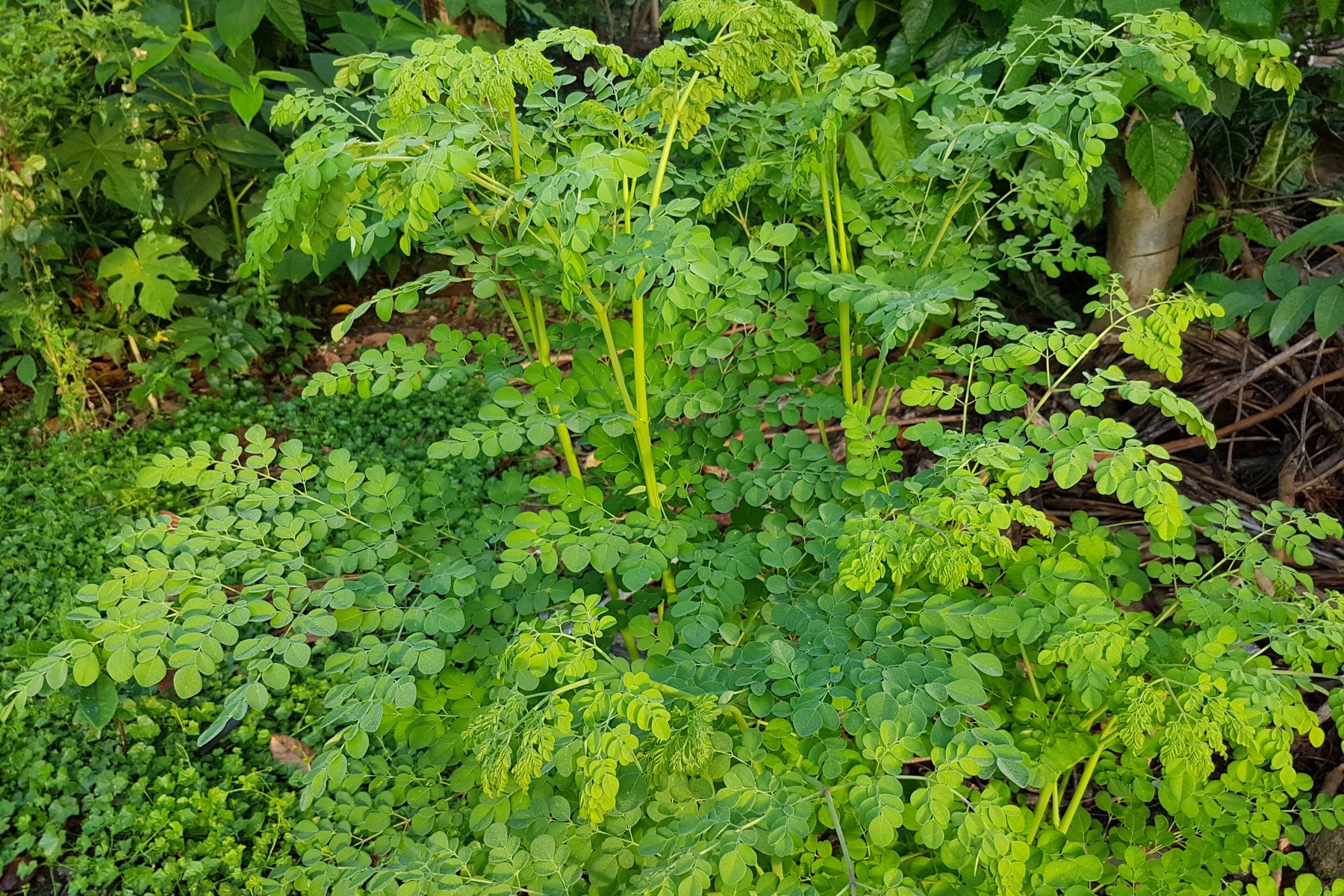
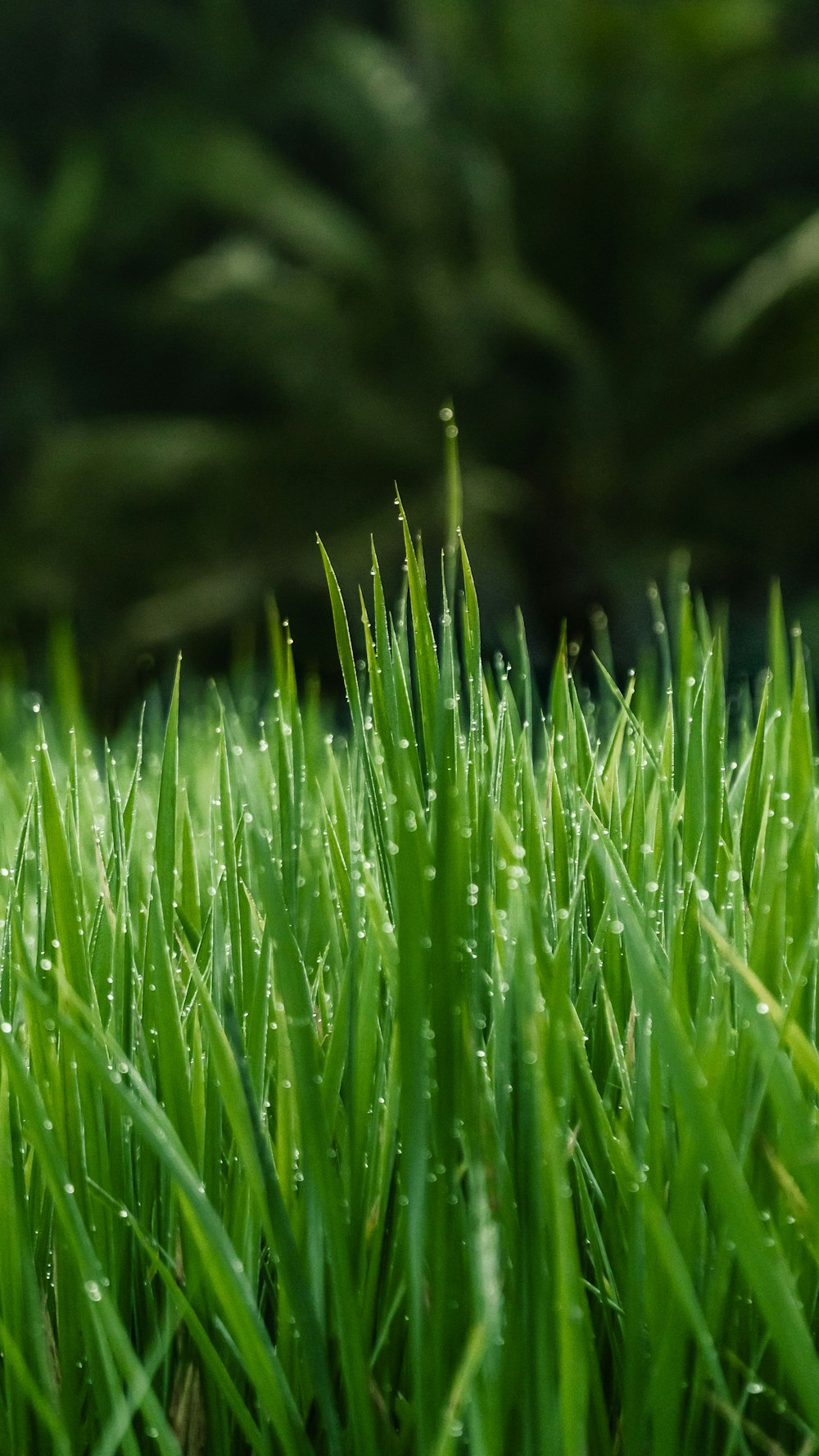
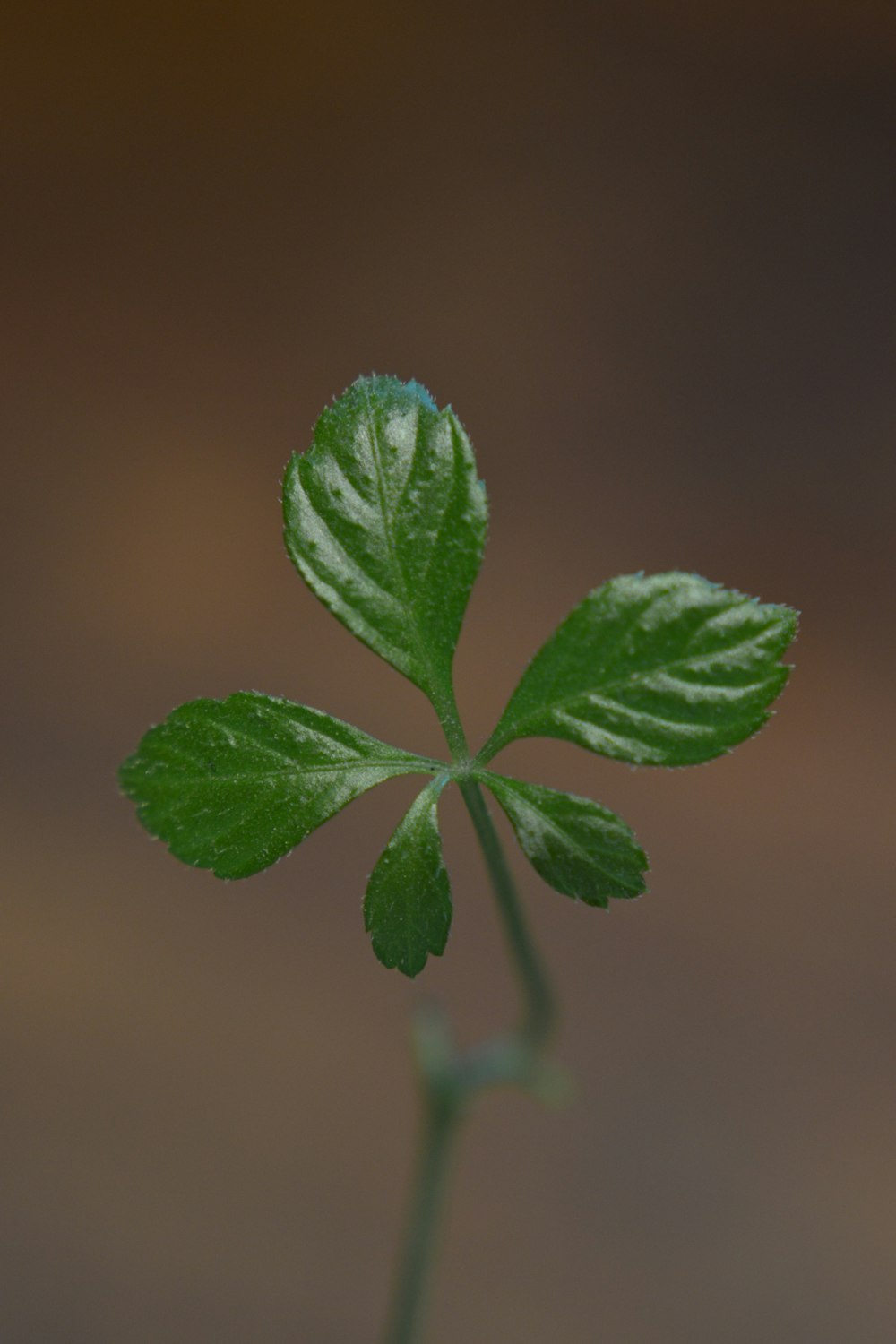
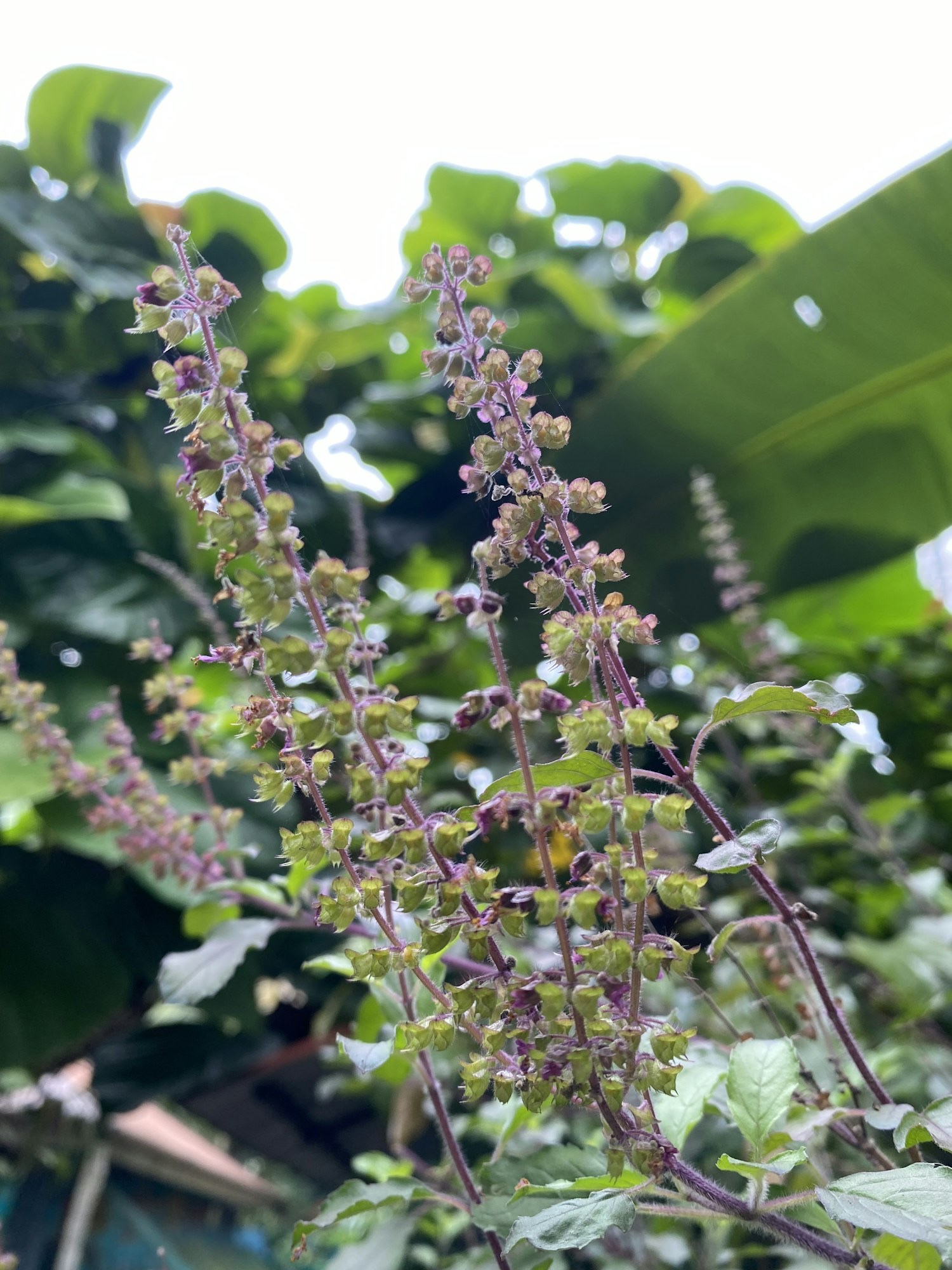
Moringa and young wheat grass are among the densest chlorophyll-bearing greens available, carrying the pigments and trace minerals that leaf tissue draws on to build and maintain deep color. Gynostemma and tulsi add the resilient, vigorous green character of fast-growing aromatic and saponin-rich plants, with traditions across East Asian and Ayurvedic agronomy long associating such greens with hardy, productive growth.
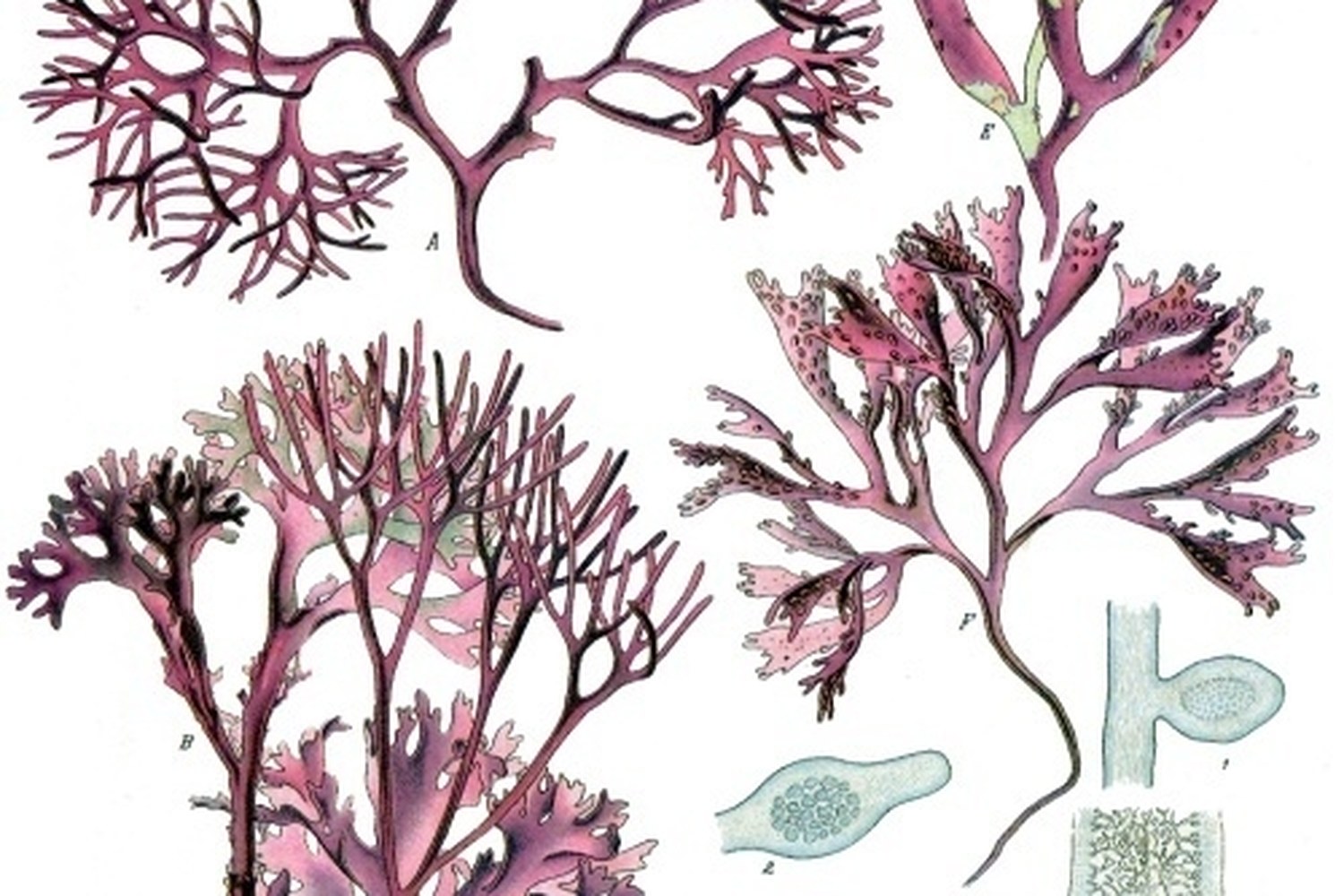
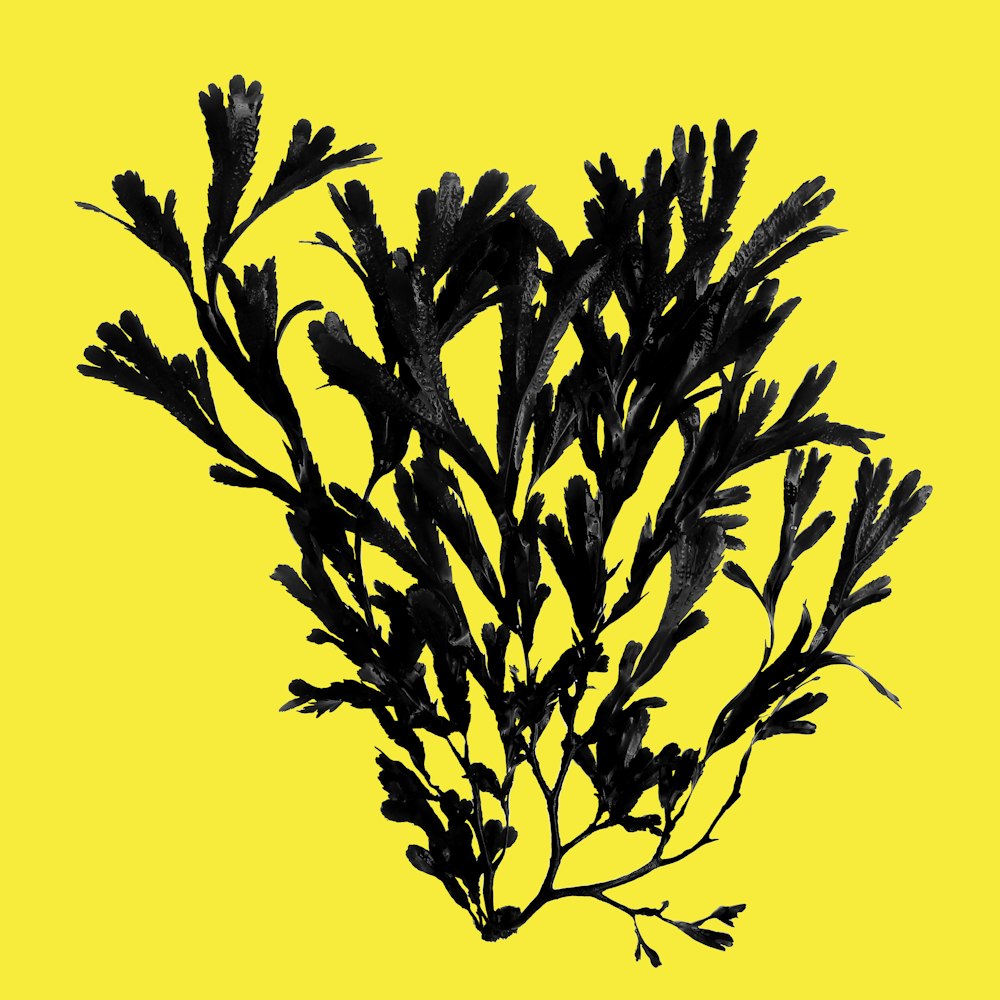
Sea vegetables — Atlantic Irish sea moss and bladderwrack — bring the seaweed character that coastal and regenerative growers have leaned on for generations: a broad spread of trace minerals and alginate-class compounds that support cell expansion and canopy vigor. As a dilute foliar feed or drench, the blend supplies these inputs at the leaf surface and root zone where the plant builds and sustains green tissue.
The molecules, measured
A formula is a community of compounds. Below are active molecules from the herbs in this blend and the proteins each is measured to engage — the precise points where the plants meet biology. So you see not just that it works, but how.
Moringa oleifera
Quercetin
PubChem ↗Measured in the lab: binds very tightly to Amine oxidase [flavin-containing] A · IC50 10 nM
Measured to act on
The enzyme that converts androgens into estrogen, the body main estrogen source.
An enzyme that converts glucose into sorbitol, part of how cells handle sugar.
A liver-type enzyme that processes hormones and environmental compounds.
Kaempferol
PubChem ↗Measured in the lab: binds very tightly to Carbonic anhydrase 7 · Ki 25 nM
Measured to act on
A liver enzyme that breaks down many compounds the body takes in.
An enzyme that balances carbon dioxide and acidity, part of the body's pH chemistry.
A sensor protein that detects environmental compounds and adjusts the body's response.
Triticum aestivum
Apigenin
PubChem ↗Measured to act on
An enzyme that tags other proteins to coordinate cell growth and routine cellular housekeeping.
A liver-type enzyme that processes hormones and environmental compounds.
A transport protein that carries thyroid hormone and vitamin A through the bloodstream.
Luteolin
PubChem ↗Measured to act on
A liver-type enzyme that processes hormones and environmental compounds.
A central signaling enzyme involved in energy storage, cell structure, and growth regulation.
The enzyme that produces uric acid as the body breaks down purines from cells and food.
Gynostemma pentaphyllum
Ginsenoside Rb1
PubChem ↗Measured to act on
The cell's energy sensor, balancing fuel use when reserves run low.
Ginsenoside Rd
PubChem ↗Measured to act on
The cell's energy sensor, balancing fuel use when reserves run low.
Ocimum sanctum
apigenin
PubChem ↗Measured in the lab: binds very tightly to Acetylcholinesterase · IC50 12 nM
Measured to act on
A liver-family enzyme that processes hormones and foreign compounds the body needs to clear.
A carrier protein that ferries thyroid hormone and vitamin A through the bloodstream.
A detoxifying enzyme that breaks down environmental compounds the body absorbs.
luteolin
PubChem ↗Measured in the lab: binds very tightly to Tyrosinase · IC50 0.613 nM
Measured to act on
A liver-family enzyme that processes hormones and foreign compounds the body needs to clear.
An enzyme immune cells use to remodel and break down connective tissue.
A receptor on blood-forming cells that signals them to grow and divide.
Chondrus crispus
Taurine
PubChem ↗Measured to act on
A transporter that carries amino acids into cells alongside acidity-balancing protons.
Fucus vesiculosus
Phloroglucinol
PubChem ↗Measured to act on
A gateway in the cell membrane that lets calcium in to trigger nerve and muscle activity.
An enzyme that cuts proteins at the cell surface, part of normal protein turnover.
Cited science · not claims
Everything we publish about these plants traces to a primary source — the compounds to PubChem, ChEMBL, and BindingDB, the traditional uses to named, dated herbals. We describe what a plant is and what it is understood to nourish — the body’s own systems, structure and function only. We do not claim it treats, cures, or prevents any disease, and nothing here is a substitute for professional care. See our method & sources →
These statements have not been evaluated by the Food and Drug Administration. Not intended to diagnose, treat, cure, or prevent any disease.
Why these herbs together
The shared mechanism
More than one botanical in this blend is measured to engage the same molecular targets. We share the convergent chemistry — characterized and cited, never a claim.
Moringa · Wheat Grass · Gynostemma · Tulsi (Holy Basil)
Moringa · Wheat Grass · Gynostemma
Moringa · Wheat Grass · Bladderwrack
Moringa · Tulsi (Holy Basil)
Moringa · Bladderwrack
Moringa · Wheat Grass
Each convergence is a gene whose protein two or more of this formula’s herbs are measured to engage (PubChem BioAssay & ChEMBL). It describes characterized molecular activity and the protein’s normal role — structure and function only, never a claim to treat, cure, or prevent any disease.
In practice
Who it’s for, and how to use it
Who it’s for
For growers chasing a lush, deep-green canopy — anyone wanting fuller, more photosynthetically active leaves on vegetables, herbs, ornamentals, or garden beds during the growth phase.
How to use it
Dilute 1/8 to 1/4 tsp per gallon and mist the leaf canopy until lightly coated, or pour as a soil drench around the root zone, repeating through active vegetative growth.
Measure · Dilute 1/8 to 1/4 tsp per gallon of water and apply as a foliar spray to the leaf canopy or as a soil drench to the root zone during active growth.
What’s inside
Inside you'll find chlorophyll-dense moringa and young wheat grass, the resilient green character of gynostemma and holy basil, and the mineral richness of Atlantic Irish sea moss and bladderwrack — greens and sea vegetables chosen for the lush, deep-green canopy they help the plant build.
For agricultural and horticultural use. Supports plant growth, vigor, and resilience — not a claim of any effect on human or animal health.
Pairs well with
Formulas that share Leaf Green's botanicals
Built from overlapping herbs, these reinforce Leaf Green along the same lines — the shared-botanical kinship our genome engine maps.