
For Plants
Fruit Set
More blooms, better set, fuller fruit.
Yield supports the most metabolically expensive stretch of a plant's life — the swing from vegetative growth into flower, and then the work of carrying those flowers all the way to fruit. Applied as a dilute feed through budding and bloom, it encourages abundant, well-formed flowering and helps blossoms hold rather than abort under the demand of set.
Once flowers are open and pollinated, a plant pours energy into filling. Yield feeds that filling phase with mineral- and micronutrient-dense botanicals, helping the plant sustain vigor, keep its canopy productive, and turn more of its blooms into sound, fully formed fruit.
Used regularly, it keeps the bloom cycle even and unhurried — fewer stalls, less drop, and a plant that stays strong from first bud through harvest.
The botanical chemistry inside
The characterized plant compounds in this blend, documented in phytochemical research. Offered as botanical nutrition for the plant's own vigor and resilience — chemistry and tradition, nothing beyond the plant's own conditioning.
For Plants
Small-batch. Dual-extracted where it matters. Made by hand.
How to apply
Dilute 1/8 to 1/4 tsp per gallon of water and apply as a foliar spray or soil drench through budding and bloom.
Raw powders are for soil drenching only — they do not fully dissolve, so they are not suitable for foliar spraying.
For growers of flowering and fruiting plants — vegetables, berries, orchard and ornamental fruit — who want stronger bloom and better set. Best brought in as plants enter budding and carried through bloom and fill.
Whole plant, never isolated
Concentrated extracts of the whole botanical — the way the body recognizes it.
Cited to measured biology
Every action we describe traces to the compound and its measured target.
Structure & function
We describe what an herb nourishes — never a claim to treat disease.
Secure checkout
Encrypted payment and human verification on every order.
- Free shipping over $150USPS Priority, tracked. $15 standard; ships in 1–3 business days.
- 30-day returnsIn original packaging and resalable condition. Refunded to your original payment method.
What you get
What this formula gives you
Encourages abundant, well-formed flowering
Supports even bloom-to-fruit set with less drop
Sustains plant vigor through the filling phase
Keeps the canopy productive across the bloom cycle
Delivers minerals and micronutrients at the moment of highest demand
How it works
The science of Fruit Set
Not buzzwords — the actual chemistry of the plants in this formula: their characterized compounds and the proteins those compounds are measured to engage, every one cited.
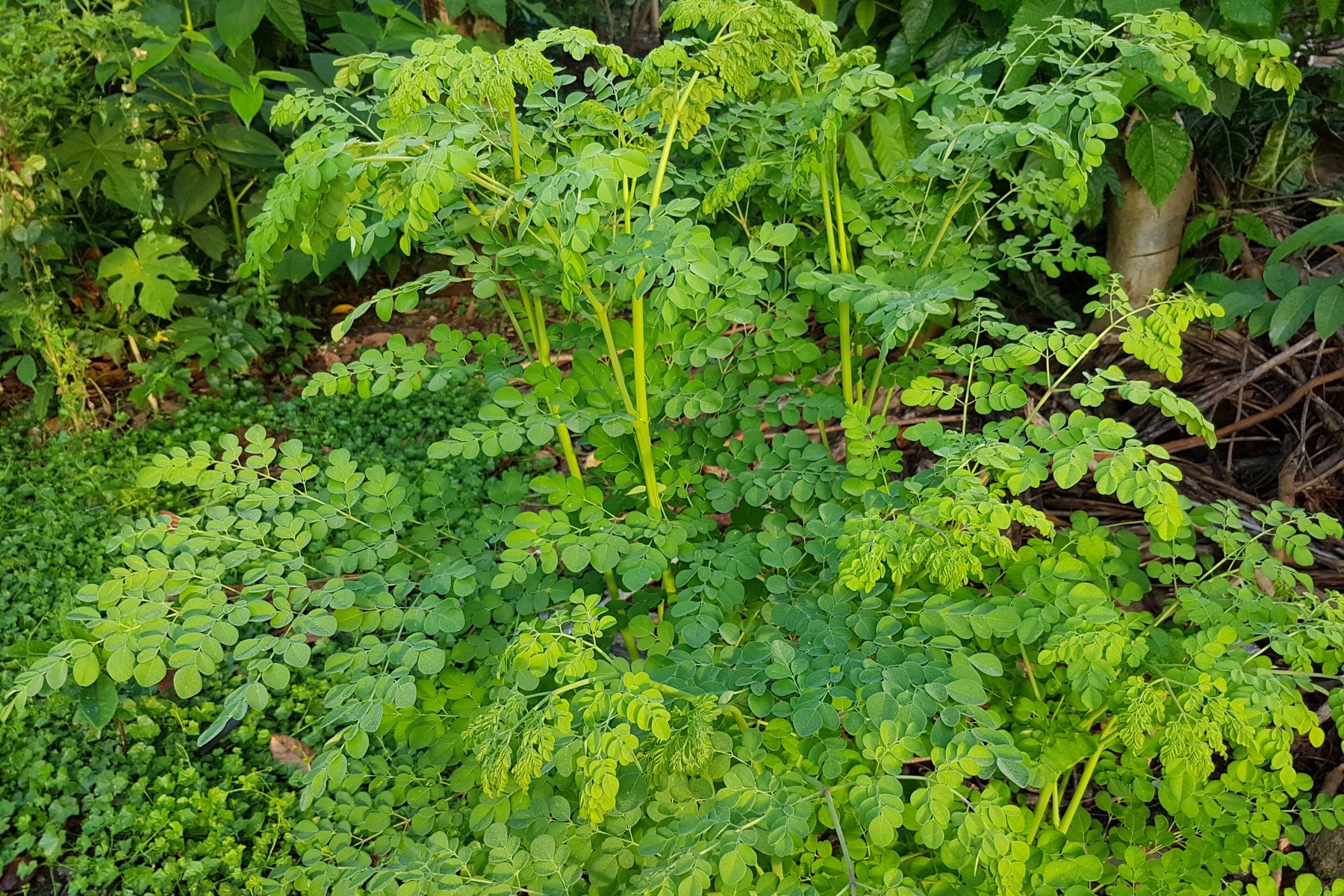
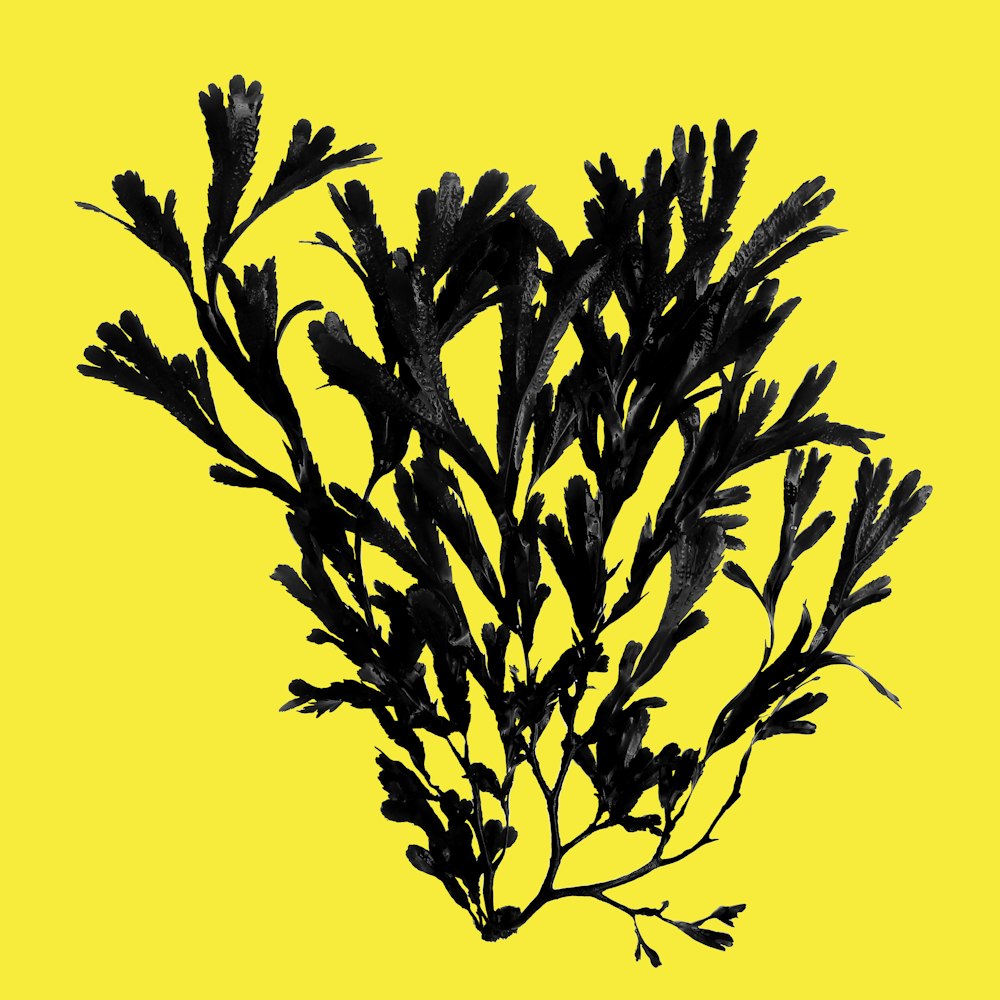
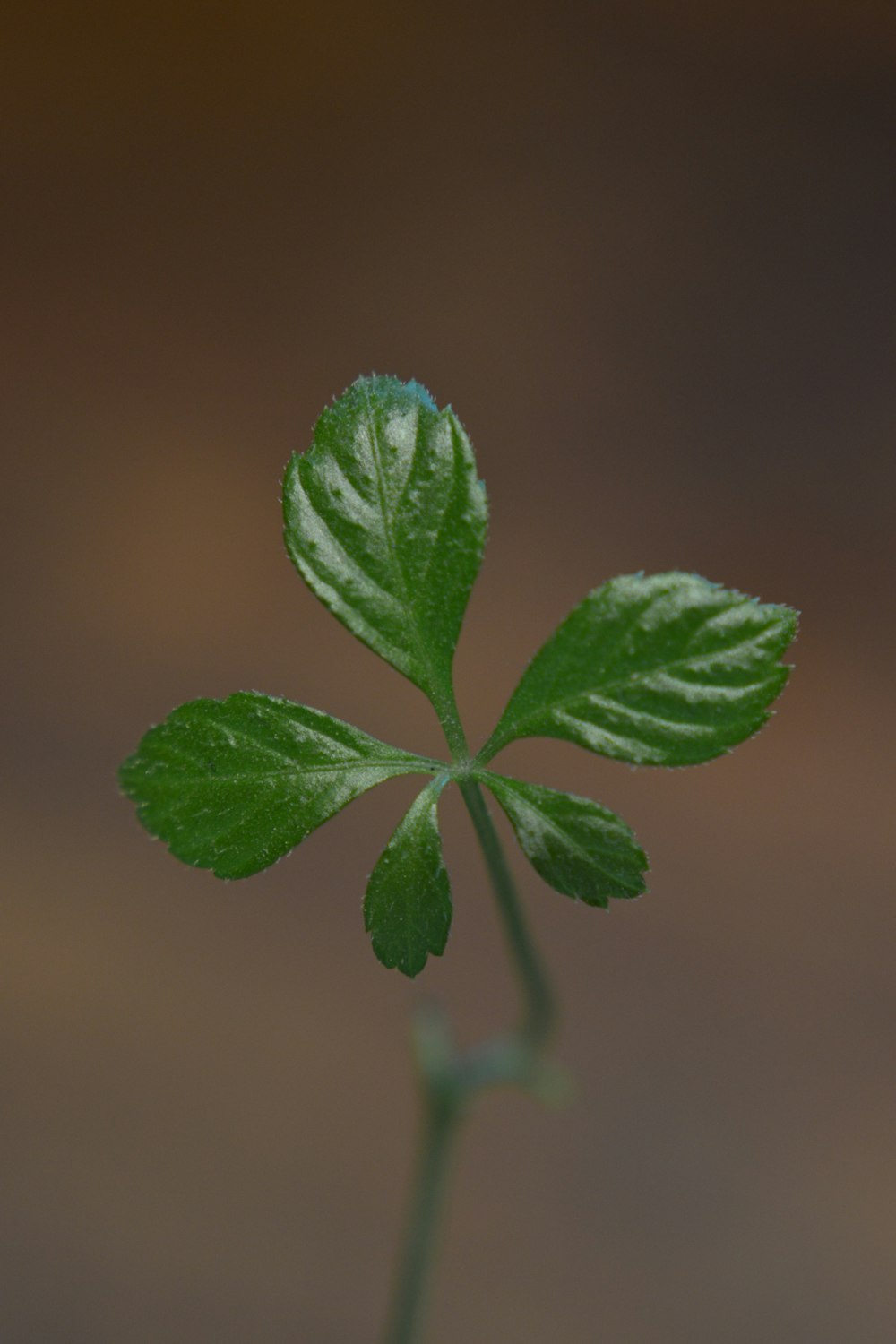
The feed leans on botanicals long valued in horticulture for exactly this window. Moringa leaf is a classic agronomic biostimulant, naturally rich in the cytokinin zeatin along with broad minerals and free amino acids — the kind of inputs associated with vigorous shoots, abundant flowering, and improved set. Kelp-family bladderwrack brings the seaweed-extract tradition prized by growers for bloom and fruit support: trace minerals, natural plant hormones, and betaines that help a plant push through the stress of heavy flowering.
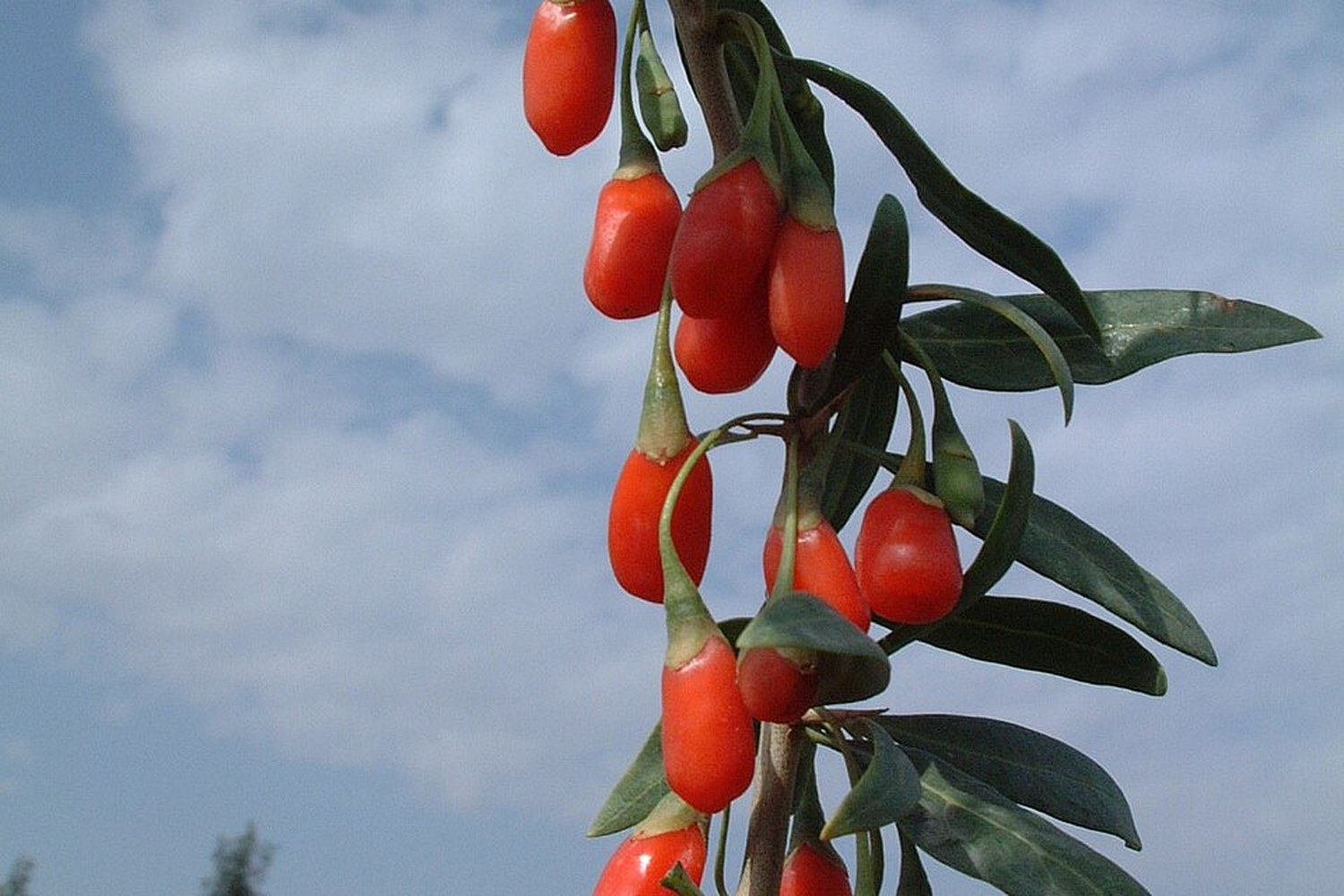
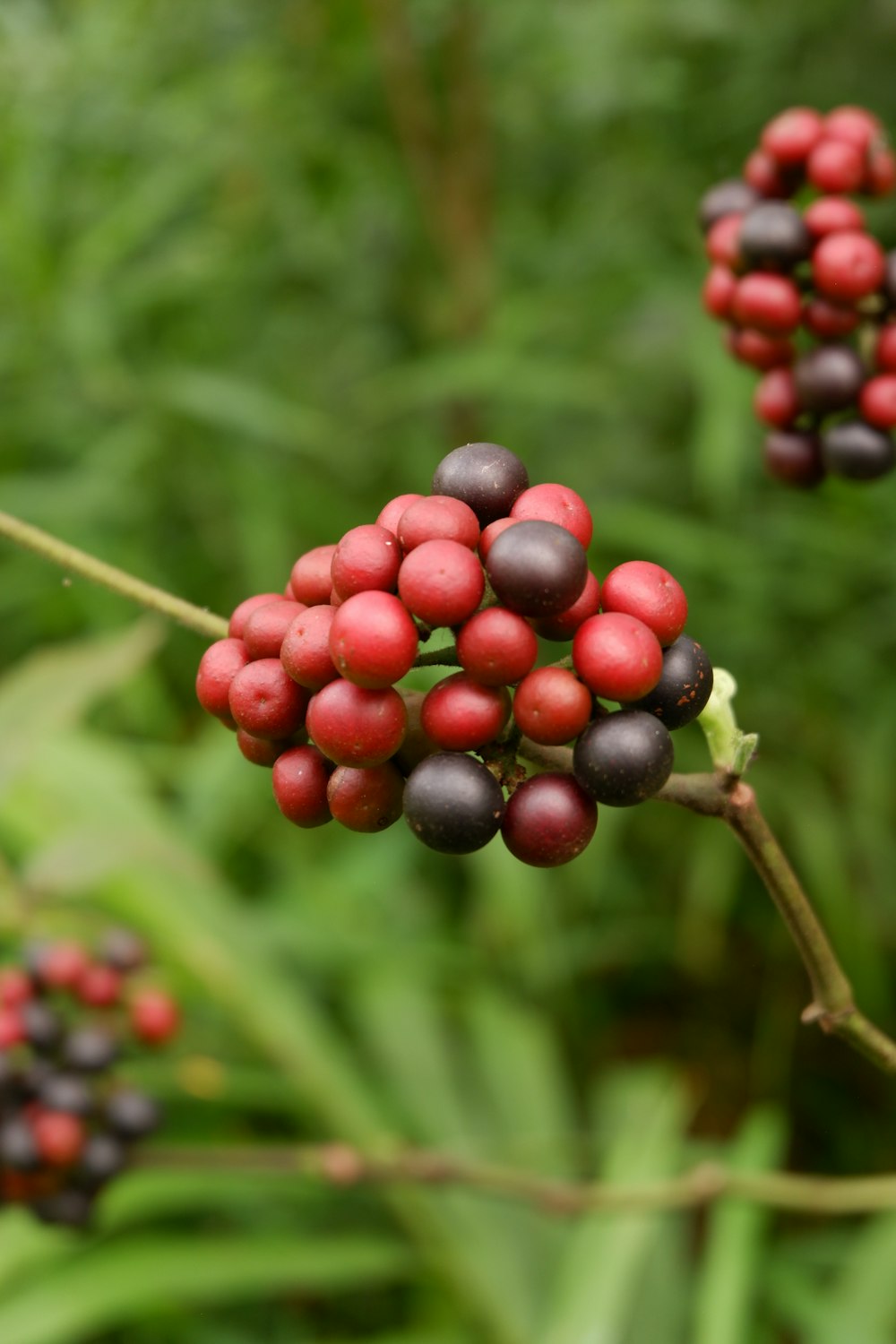
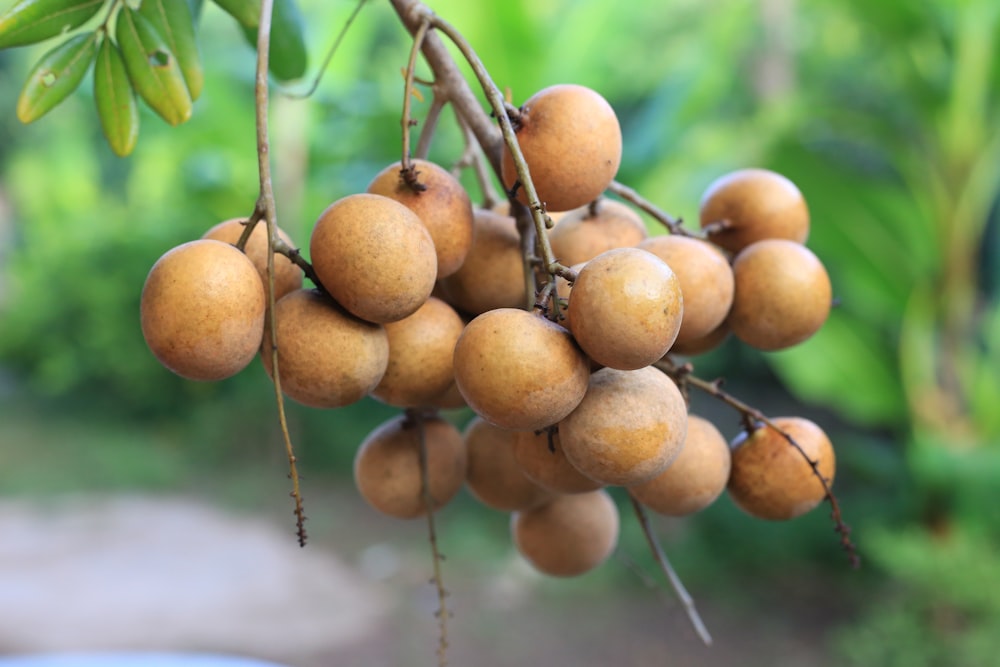
The fruiting plants themselves — goji, schizandra, and longan — contribute the sugar-rich, carotenoid- and antioxidant-dense character of plants built to ripen fruit, while hardy gynostemma lends the resilient, saponin-rich vigor of a vine that thrives under load. Together they feed flowering and set as a structure-and-function input, not a substitute for sound light, water, and soil.
The molecules, measured
A formula is a community of compounds. Below are active molecules from the herbs in this blend and the proteins each is measured to engage — the precise points where the plants meet biology. So you see not just that it works, but how.
Moringa oleifera
Quercetin
PubChem ↗Measured in the lab: binds very tightly to Amine oxidase [flavin-containing] A · IC50 10 nM
Measured to act on
The enzyme that converts androgens into estrogen, the body main estrogen source.
An enzyme that converts glucose into sorbitol, part of how cells handle sugar.
A liver-type enzyme that processes hormones and environmental compounds.
Kaempferol
PubChem ↗Measured in the lab: binds very tightly to Carbonic anhydrase 7 · Ki 25 nM
Measured to act on
A liver enzyme that breaks down many compounds the body takes in.
An enzyme that balances carbon dioxide and acidity, part of the body's pH chemistry.
A sensor protein that detects environmental compounds and adjusts the body's response.
Fucus vesiculosus
Phloroglucinol
PubChem ↗Measured to act on
A gateway in the cell membrane that lets calcium in to trigger nerve and muscle activity.
An enzyme that cuts proteins at the cell surface, part of normal protein turnover.
Lycium barbarum
Betaine
PubChem ↗Measured to act on
An enzyme that recycles the amino acid homocysteine back into methionine using betaine.
Scopoletin
PubChem ↗Measured in the lab: binds tightly to Carbonic anhydrase 9 · Ki 960 nM
Measured to act on
An enzyme that helps cells balance acidity by managing carbon dioxide.
Schisandra chinensis
Schisandrin B (Wuweizisu B)
PubChem ↗Measured in the lab: binds very tightly to Multidrug resistance-associated protein 1 · IC50 1.25 nM
Measured to act on
A guardian enzyme that senses DNA stress and helps coordinate repair.
A sentinel enzyme that detects DNA breaks and signals the cell to mend them.
An enzyme that helps stitch broken DNA strands back together.
Schisandrin C (= Wuweizisu C)
PubChem ↗Measured to act on
The enzyme that drives the body's inflammatory response.
The liver's busiest enzyme for breaking down compounds the body takes in.
A liver enzyme that helps metabolize and clear many compounds from the body.
Dimocarpus longan
Gallic acid
PubChem ↗Measured in the lab: binds very tightly to Amyloid-beta precursor protein · EC50 1.7 nM
Measured to act on
A mitochondrial enzyme involved in breaking down fatty acids and balancing steroid hormones.
An enzyme that adds sugar tags to cells, helping immune cells find their way through tissue.
An enzyme that edits chemical tags on DNA-packaging proteins to regulate genes.
Ellagic acid
PubChem ↗Measured in the lab: binds very tightly to Amyloid-beta precursor protein · EC50 1.7 nM
Measured to act on
A protein that repairs damaged DNA and helps balance the cell's oxidative state.
A constantly active signaling enzyme involved in cell growth and stress responses.
An enzyme in the liver and red blood cells that helps turn sugar into usable energy.
Gynostemma pentaphyllum
Ginsenoside Rb1
PubChem ↗Measured to act on
The cell's energy sensor, balancing fuel use when reserves run low.
Ginsenoside Rd
PubChem ↗Measured to act on
The cell's energy sensor, balancing fuel use when reserves run low.
Cited science · not claims
Everything we publish about these plants traces to a primary source — the compounds to PubChem, ChEMBL, and BindingDB, the traditional uses to named, dated herbals. We describe what a plant is and what it is understood to nourish — the body’s own systems, structure and function only. We do not claim it treats, cures, or prevents any disease, and nothing here is a substitute for professional care. See our method & sources →
These statements have not been evaluated by the Food and Drug Administration. Not intended to diagnose, treat, cure, or prevent any disease.
Why these herbs together
The shared mechanism
More than one botanical in this blend is measured to engage the same molecular targets. We share the convergent chemistry — characterized and cited, never a claim.
Moringa · Goji Berry · Longan Berry · Gynostemma
Moringa · Goji Berry · Longan Berry · Gynostemma
Moringa · Bladderwrack · Schizandra · Longan Berry
Moringa · Bladderwrack · Goji Berry
Moringa · Goji Berry · Gynostemma
Moringa · Bladderwrack · Longan Berry
Each convergence is a gene whose protein two or more of this formula’s herbs are measured to engage (PubChem BioAssay & ChEMBL). It describes characterized molecular activity and the protein’s normal role — structure and function only, never a claim to treat, cure, or prevent any disease.
In practice
Who it’s for, and how to use it
Who it’s for
For growers of flowering and fruiting plants — vegetables, berries, orchard and ornamental fruit — who want stronger bloom and better set. Best brought in as plants enter budding and carried through bloom and fill.
How to use it
Dilute 1/8 to 1/4 tsp per gallon and apply as a foliar spray or soil drench, starting at budding and repeating through bloom and early fruit fill.
Measure · Dilute 1/8 to 1/4 tsp per gallon of water and apply as a foliar spray or soil drench through budding and bloom.
What’s inside
Inside you'll find moringa green and mineral-rich bladderwrack kelp working alongside the fruiting character of goji, schizandra, and longan berry, with hardy gynostemma for resilient vigor — botanicals chosen to feed flowering and carry bloom through to fruit.
For agricultural and horticultural use. Supports plant growth, vigor, and resilience — not a claim of any effect on human or animal health.
Pairs well with
Formulas that share Fruit Set's botanicals
Built from overlapping herbs, these reinforce Fruit Set along the same lines — the shared-botanical kinship our genome engine maps.