
For Plants
Ripening
Finish strong — full swell, firm density, clean ripening.
Crest is for the final act of the season. As fruit, flower, and grain move from building to filling, the plant's appetite shifts toward minerals and structural support that carry tissue to full density. This blend meets that shift, feeding the late-stage demand that decides whether a crop finishes plump and firm or thin and soft.
Brushed onto leaf and soil through ripening, it supports the steady translocation of reserves into the fruit — backing weight, firmness, and color development as the plant draws down toward harvest.
The result is a finish you can feel in the hand: denser fruit, fuller flower, and a clean, even close to the cycle rather than a ragged, uneven one.
The botanical chemistry inside
The characterized plant compounds in this blend, documented in phytochemical research. Offered as botanical nutrition for the plant's own vigor and resilience — chemistry and tradition, nothing beyond the plant's own conditioning.
For Plants
Small-batch. Dual-extracted where it matters. Made by hand.
How to apply
Apply as a foliar feed or soil drench from the onset of ripening through harvest.
Raw powders are for soil drenching only — they do not fully dissolve, so they are not suitable for foliar spraying.
For growers in the finishing stretch — fruiting, flowering, or grain crops in their last weeks — who want full swell, firm density, and an even ripening rather than a soft, uneven close.
Whole plant, never isolated
Concentrated extracts of the whole botanical — the way the body recognizes it.
Cited to measured biology
Every action we describe traces to the compound and its measured target.
Structure & function
We describe what an herb nourishes — never a claim to treat disease.
Secure checkout
Encrypted payment and human verification on every order.
- Free shipping over $150USPS Priority, tracked. $15 standard; ships in 1–3 business days.
- 30-day returnsIn original packaging and resalable condition. Refunded to your original payment method.
What you get
What this formula gives you
Supports the final swell and weight of fruit and flower
Backs structural density and firm tissue at finish
Feeds the trace-mineral demand of late-stage ripening
Encourages even color development and a clean finish
Carries the crop steadily into harvest
How it works
The science of Ripening
Not buzzwords — the actual chemistry of the plants in this formula: their characterized compounds and the proteins those compounds are measured to engage, every one cited.
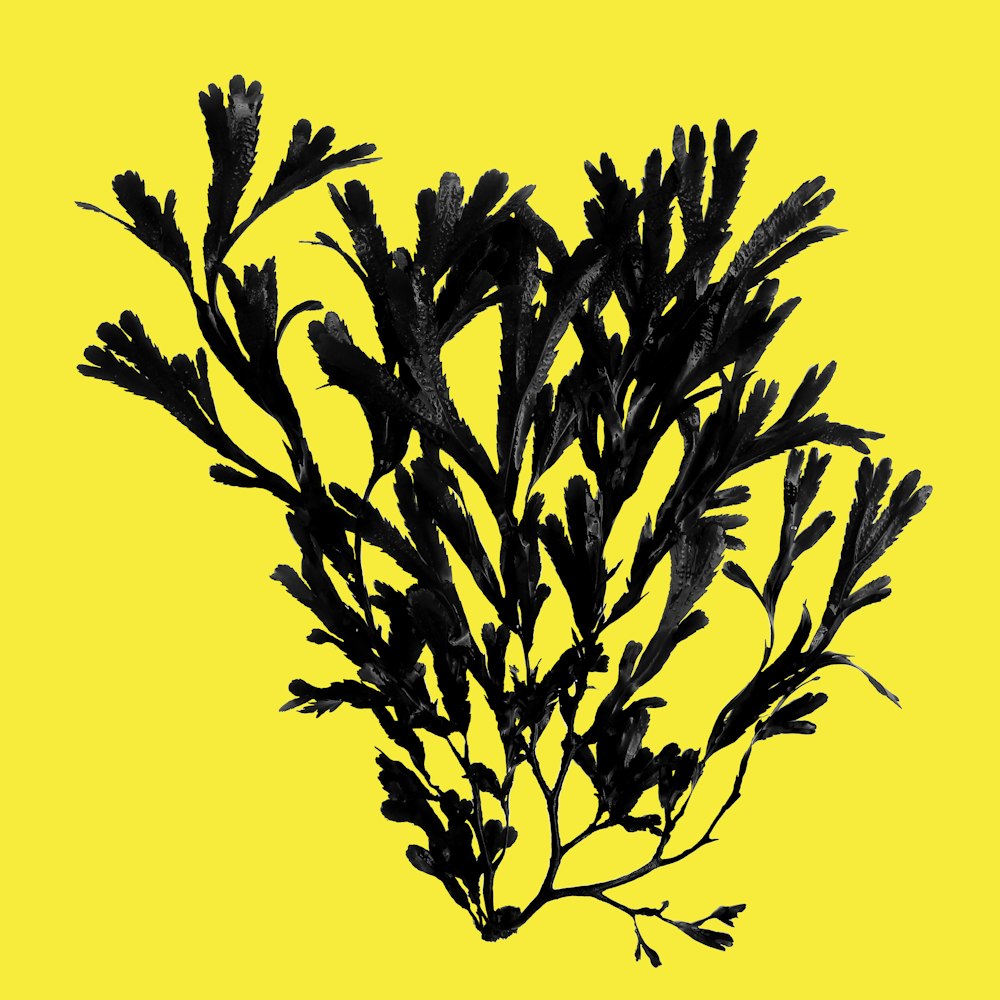
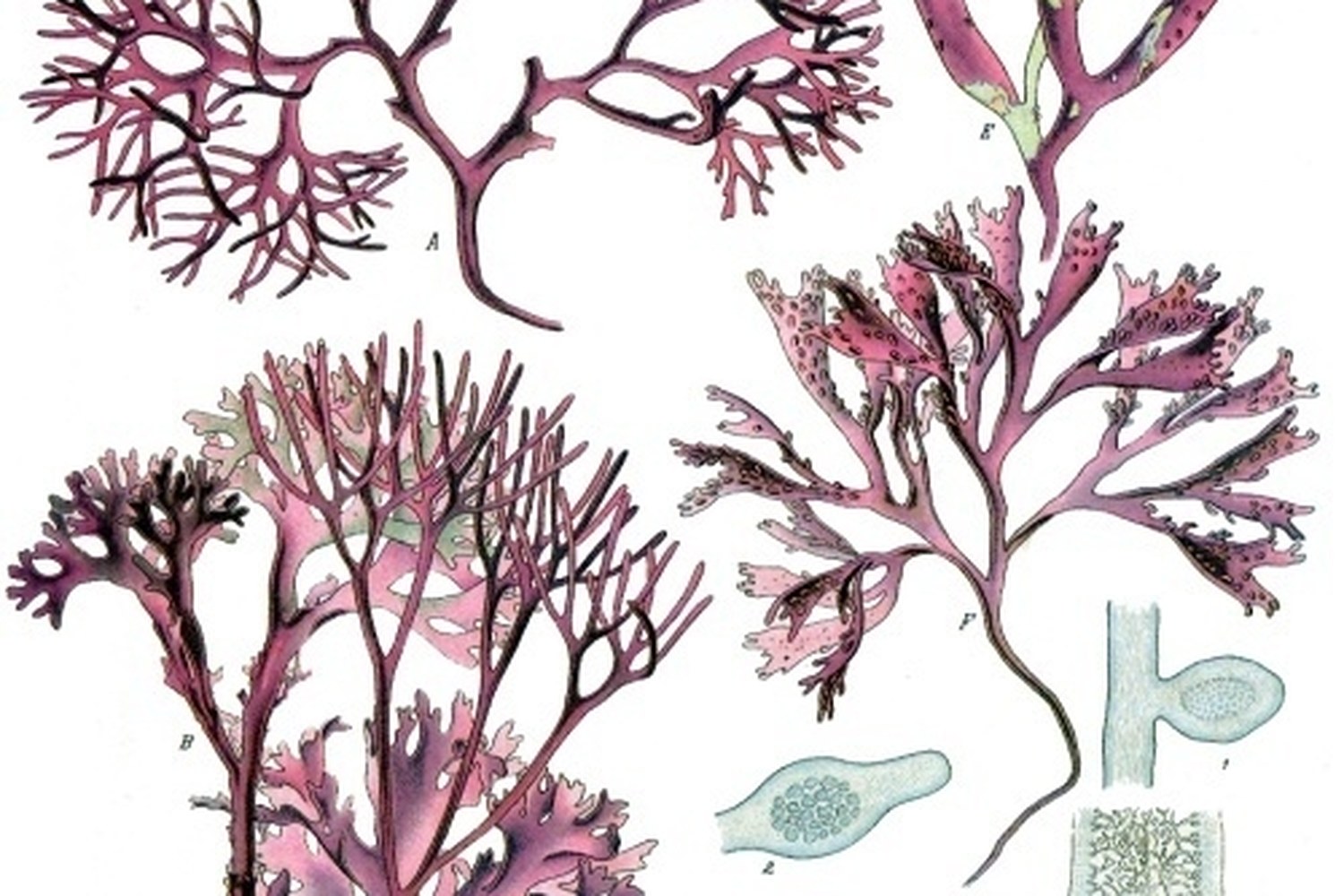
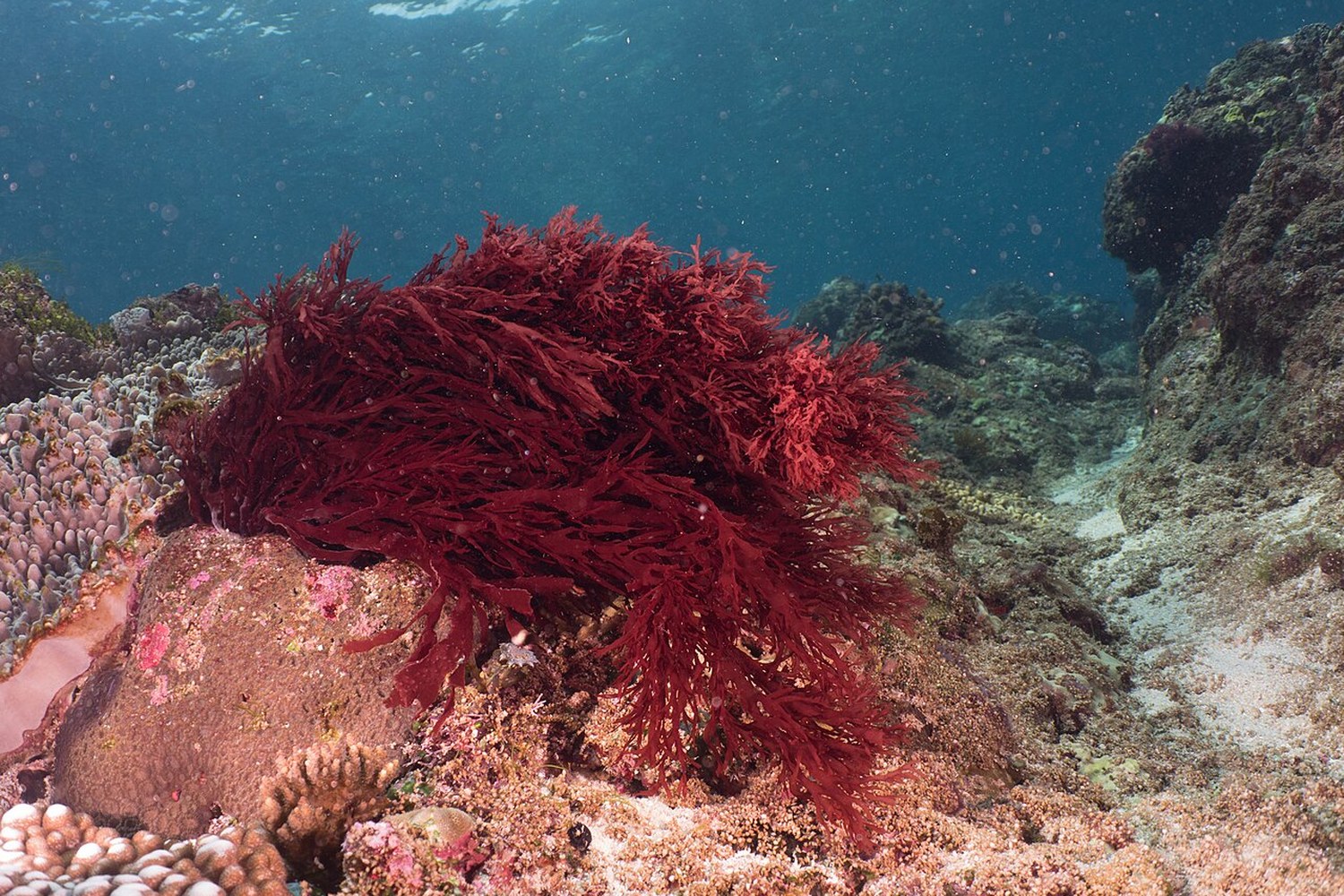
The sea vegetables in this blend — bladderwrack with Atlantic and Jamaican sea moss — are classic agronomic biostimulants, carrying a broad spectrum of trace minerals, potassium, and natural polysaccharides that plants draw on heavily during fruit fill and ripening. These are the same marine botanicals long folded into traditional coastal farming as a finishing amendment, valued for supporting firm, well-structured tissue rather than fast, watery growth.
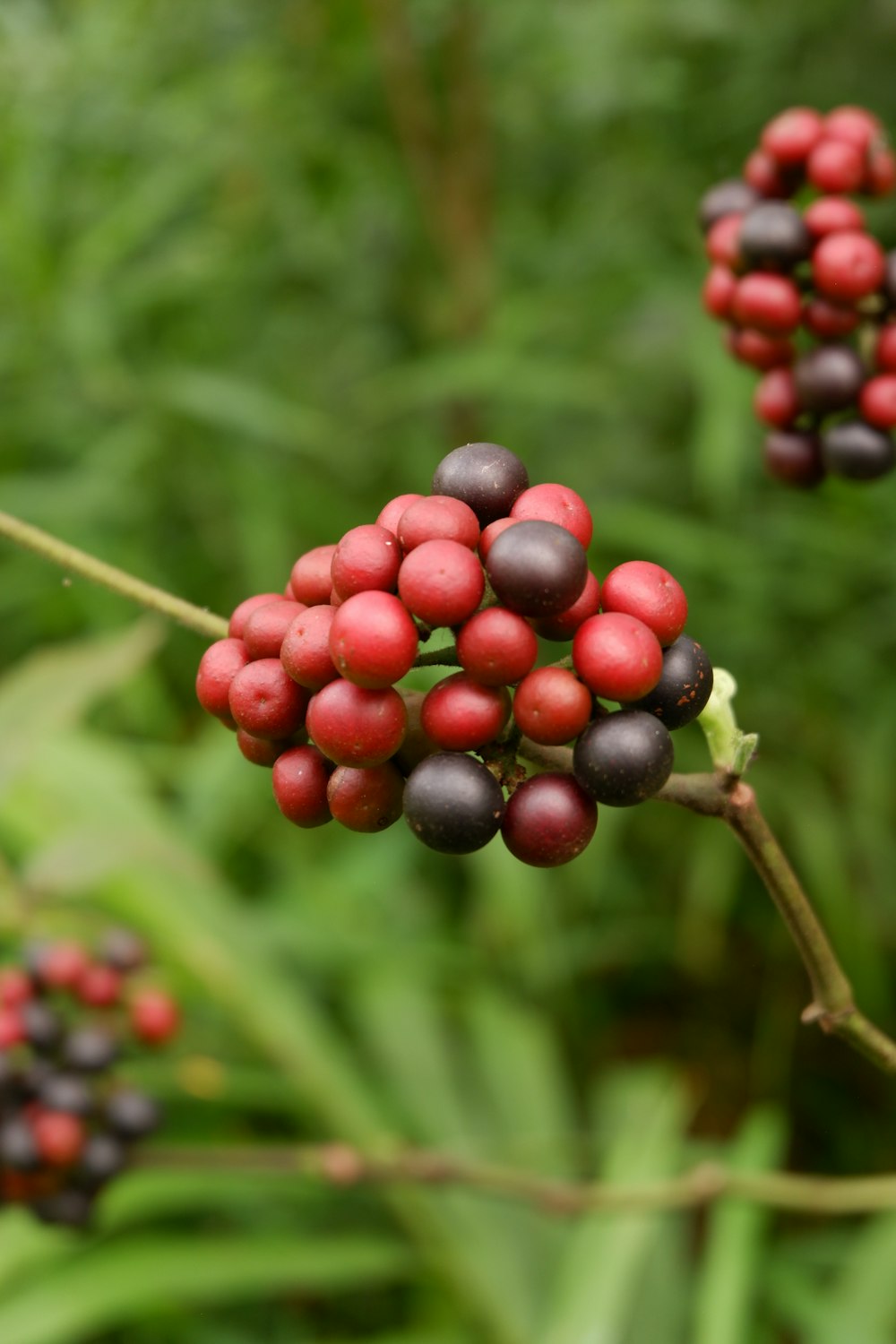
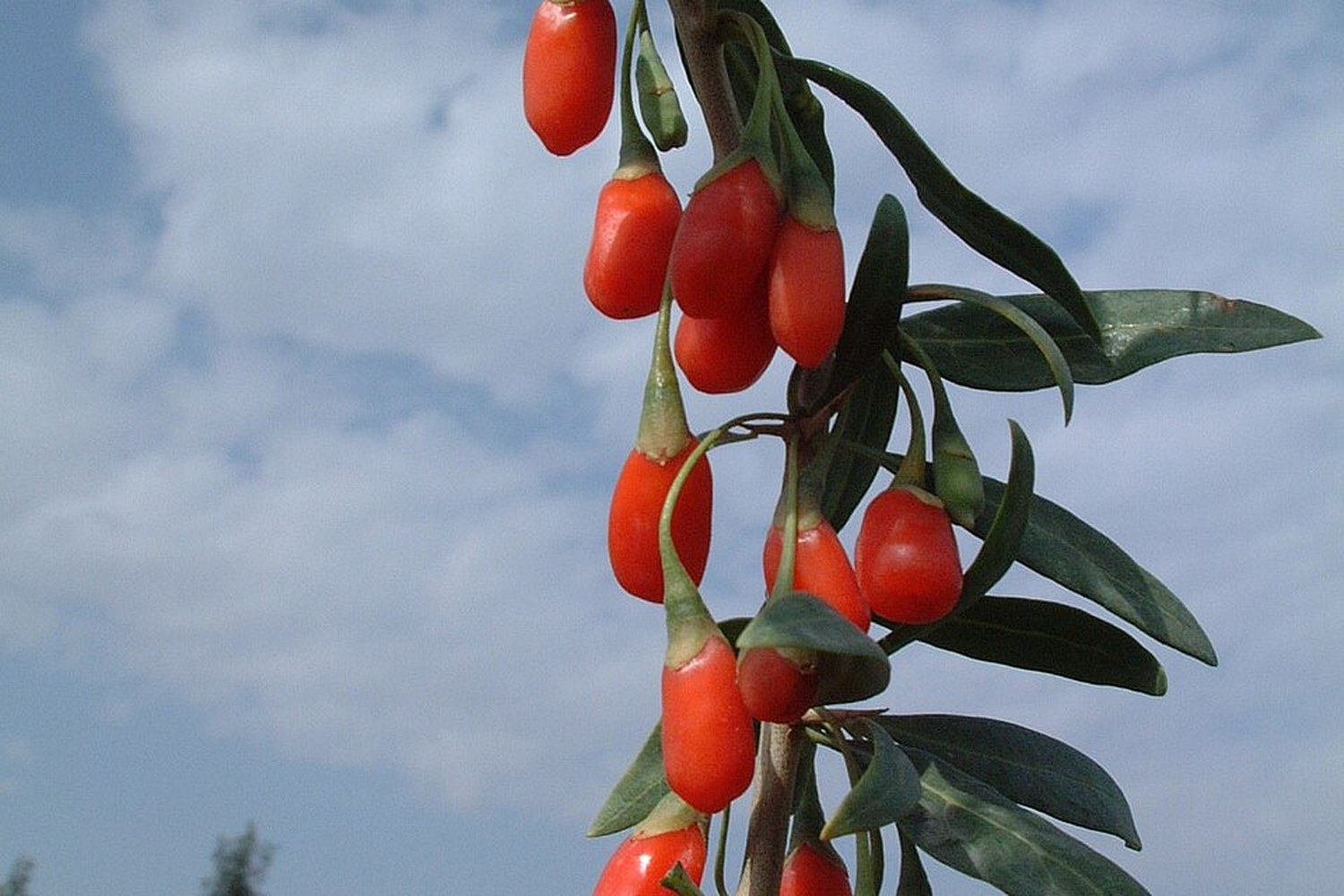
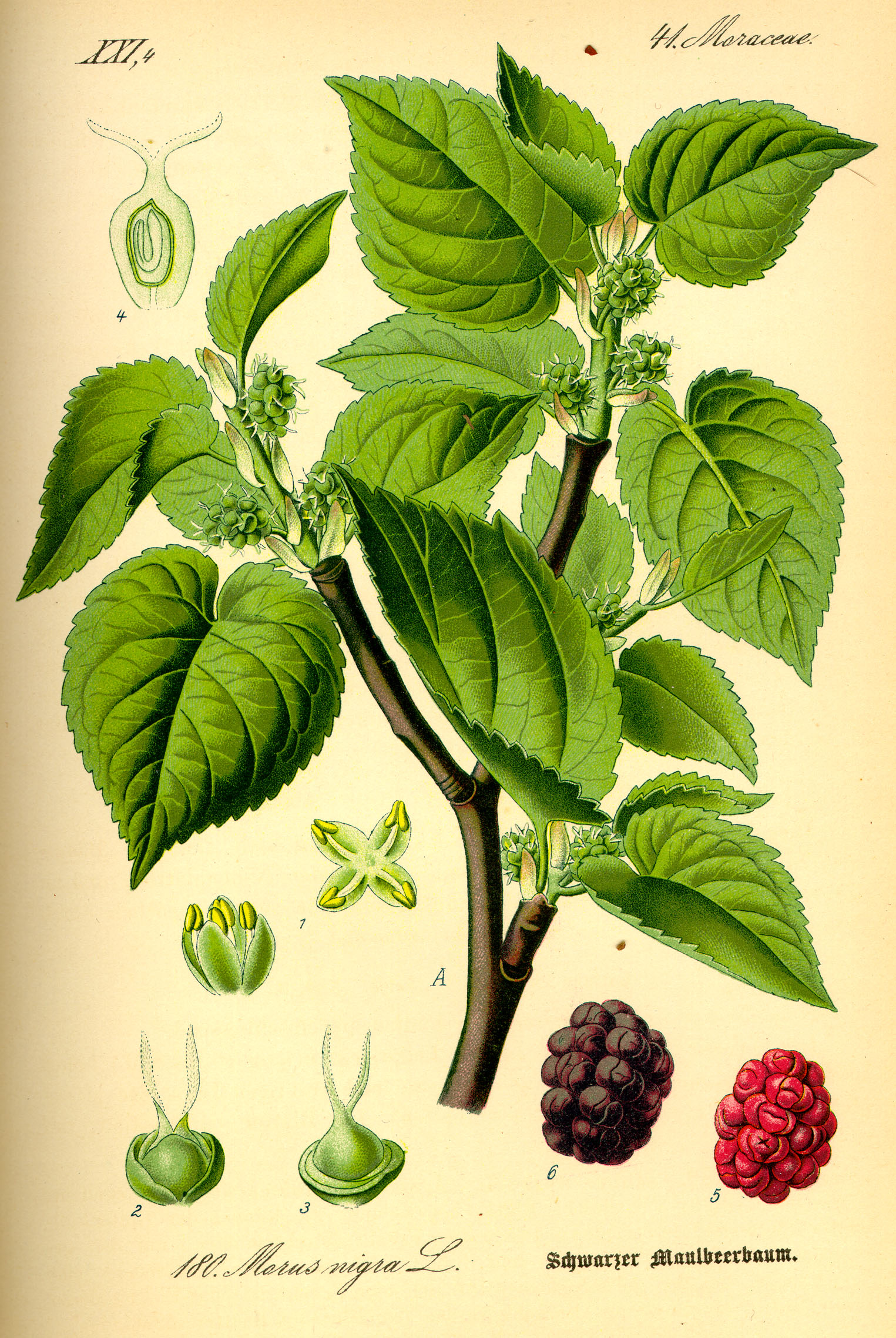
The deeply pigmented fruiting botanicals — schizandra, goji, and purple mulberry — bring the character of mature, fully ripened fruit: dense, color-rich, and built on the structural and pigment chemistry a plant expresses as it finishes. Together they speak to the language of ripening, supporting the late-cycle swell and even finish that mark a clean harvest.
The molecules, measured
A formula is a community of compounds. Below are active molecules from the herbs in this blend and the proteins each is measured to engage — the precise points where the plants meet biology. So you see not just that it works, but how.
Fucus vesiculosus
Phloroglucinol
PubChem ↗Measured to act on
A gateway in the cell membrane that lets calcium in to trigger nerve and muscle activity.
An enzyme that cuts proteins at the cell surface, part of normal protein turnover.
Chondrus crispus
Taurine
PubChem ↗Measured to act on
A transporter that carries amino acids into cells alongside acidity-balancing protons.
Eucheuma cottonii / Gracilaria spp.
Taurine
PubChem ↗Measured to act on
A transporter that carries taurine, an amino acid important to heart and eye tissue, into cells.
beta-Carotene
PubChem ↗Measured in the lab: binds tightly to Solute carrier organic anion transporter family member 1B1 · Ki 340 nM
Measured to act on
A liver transporter that moves compounds from the blood into liver cells for processing.
A liver transporter that carries compounds out of the blood for the liver to handle.
Schisandra chinensis
Schisandrin B (Wuweizisu B)
PubChem ↗Measured in the lab: binds very tightly to Multidrug resistance-associated protein 1 · IC50 1.25 nM
Measured to act on
A guardian enzyme that senses DNA stress and helps coordinate repair.
A sentinel enzyme that detects DNA breaks and signals the cell to mend them.
An enzyme that helps stitch broken DNA strands back together.
Schisandrin C (= Wuweizisu C)
PubChem ↗Measured to act on
The enzyme that drives the body's inflammatory response.
The liver's busiest enzyme for breaking down compounds the body takes in.
A liver enzyme that helps metabolize and clear many compounds from the body.
Lycium barbarum
Betaine
PubChem ↗Measured to act on
An enzyme that recycles the amino acid homocysteine back into methionine using betaine.
Scopoletin
PubChem ↗Measured in the lab: binds tightly to Carbonic anhydrase 9 · Ki 960 nM
Measured to act on
An enzyme that helps cells balance acidity by managing carbon dioxide.
Morus nigra
Quercetin
PubChem ↗Measured in the lab: binds very tightly to Amine oxidase [flavin-containing] A · IC50 10 nM
Measured to act on
An enzyme that converts excess glucose into sorbitol as part of sugar metabolism.
An enzyme that converts fatty acids into messengers of the inflammatory response.
Rutin (quercetin-3-O-rutinoside)
PubChem ↗Measured to act on
The enzyme that produces uric acid as the body breaks down spent genetic building blocks.
Cited science · not claims
Everything we publish about these plants traces to a primary source — the compounds to PubChem, ChEMBL, and BindingDB, the traditional uses to named, dated herbals. We describe what a plant is and what it is understood to nourish — the body’s own systems, structure and function only. We do not claim it treats, cures, or prevents any disease, and nothing here is a substitute for professional care. See our method & sources →
These statements have not been evaluated by the Food and Drug Administration. Not intended to diagnose, treat, cure, or prevent any disease.
Why these herbs together
The shared mechanism
More than one botanical in this blend is measured to engage the same molecular targets. We share the convergent chemistry — characterized and cited, never a claim.
Schizandra · Goji Berry · Purple Mulberry
Bladderwrack · Goji Berry
Bladderwrack · Purple Mulberry
Jamaican Purple Sea Moss · Goji Berry
Jamaican Purple Sea Moss · Goji Berry
Goji Berry · Purple Mulberry
Each convergence is a gene whose protein two or more of this formula’s herbs are measured to engage (PubChem BioAssay & ChEMBL). It describes characterized molecular activity and the protein’s normal role — structure and function only, never a claim to treat, cure, or prevent any disease.
In practice
Who it’s for, and how to use it
Who it’s for
For growers in the finishing stretch — fruiting, flowering, or grain crops in their last weeks — who want full swell, firm density, and an even ripening rather than a soft, uneven close.
How to use it
Dilute 1/8 to 1/4 tsp per gallon and apply as a foliar feed or soil drench, beginning at the onset of ripening and continuing through to harvest.
Measure · Dilute 1/8 to 1/4 tsp per gallon of water; apply as a foliar feed or soil drench from the onset of ripening through harvest.
What’s inside
Inside you'll find mineral-dense sea vegetables — bladderwrack with Atlantic and Jamaican sea moss — woven together with deeply ripened fruiting botanicals: schizandra, goji, and purple mulberry. Marine minerals to feed the finish, mature fruit-character to speak to ripening.
For agricultural and horticultural use. Supports plant growth, vigor, and resilience — not a claim of any effect on human or animal health.
Pairs well with
Formulas that share Ripening's botanicals
Built from overlapping herbs, these reinforce Ripening along the same lines — the shared-botanical kinship our genome engine maps.