For Plants
Bloom
Feed the flowering plant what flowering costs it — for fuller blooms, heavier fruit set, and the stamina to carry both.
When a plant shifts from growing leaves to making flowers and fruit, its whole economy changes. It stops banking energy and starts spending it — pouring sugars, minerals, and reserves into buds, pollen, nectar, and ripening fruit. This is the most demanding stretch of a plant's life, and it is exactly where a tired or under-fed plant gives you a thin display: a few small flowers, fruit that aborts before it sets, a canopy that runs out of steam halfway through the season. Bloom is built for that exact moment. It is a flowering and fruiting drench you give weekly through the reproductive phase to keep the plant supplied while it does the hardest work it will ever do.
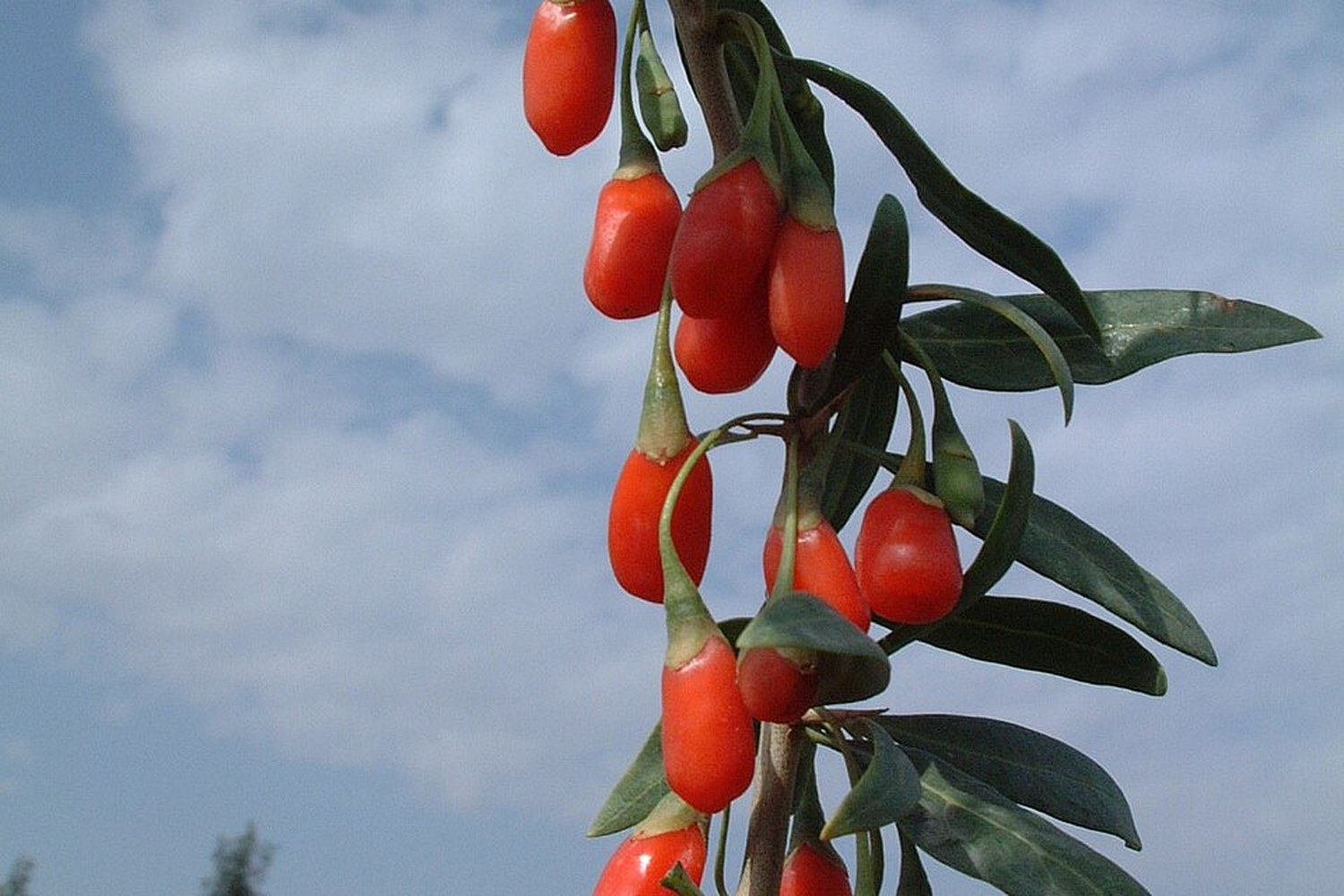
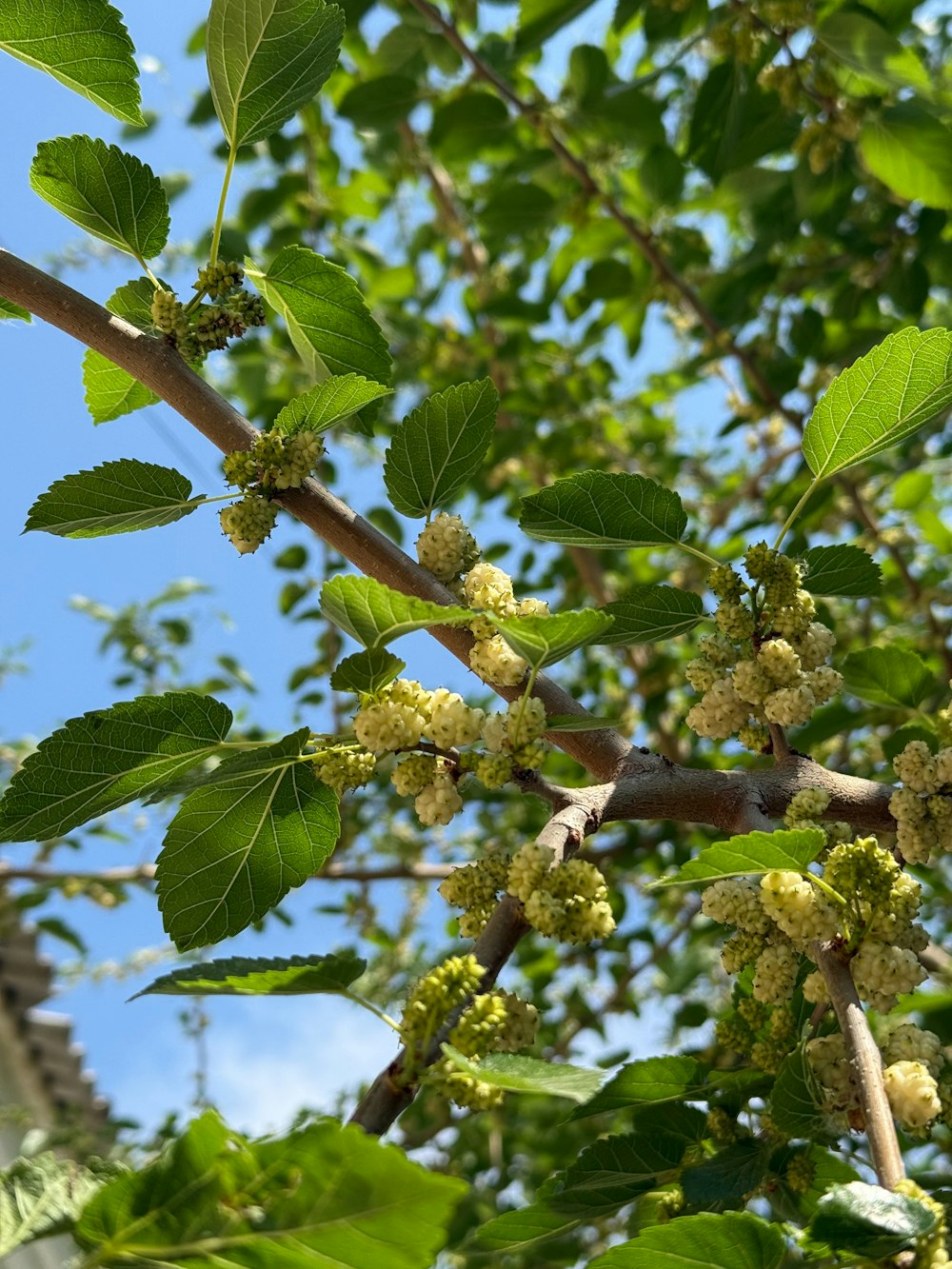
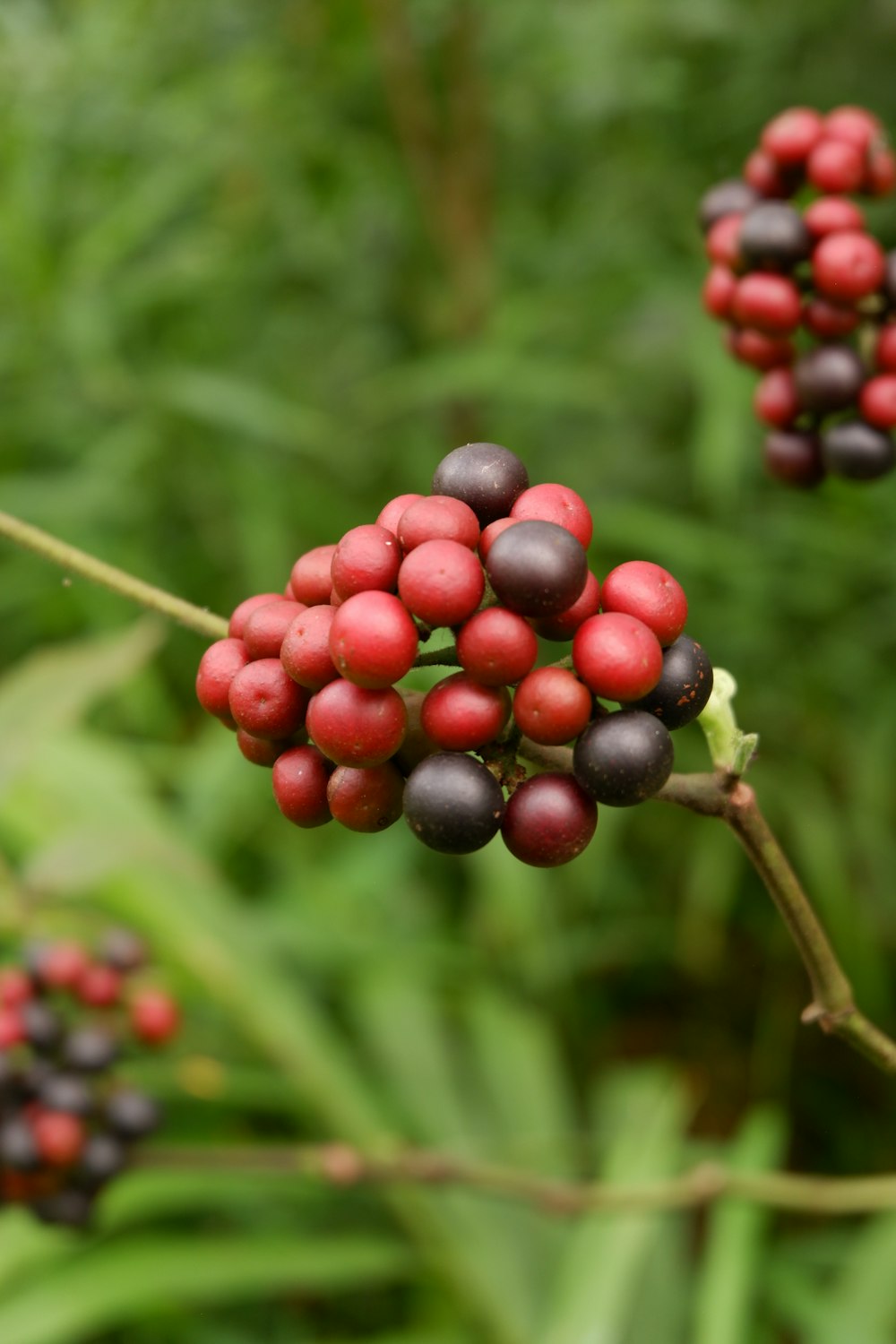
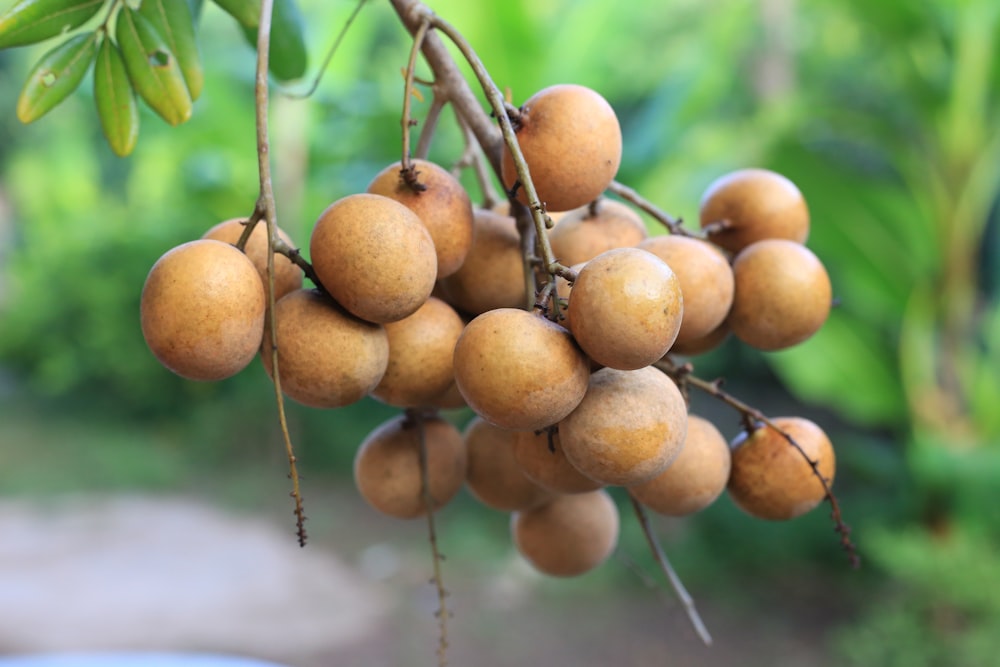
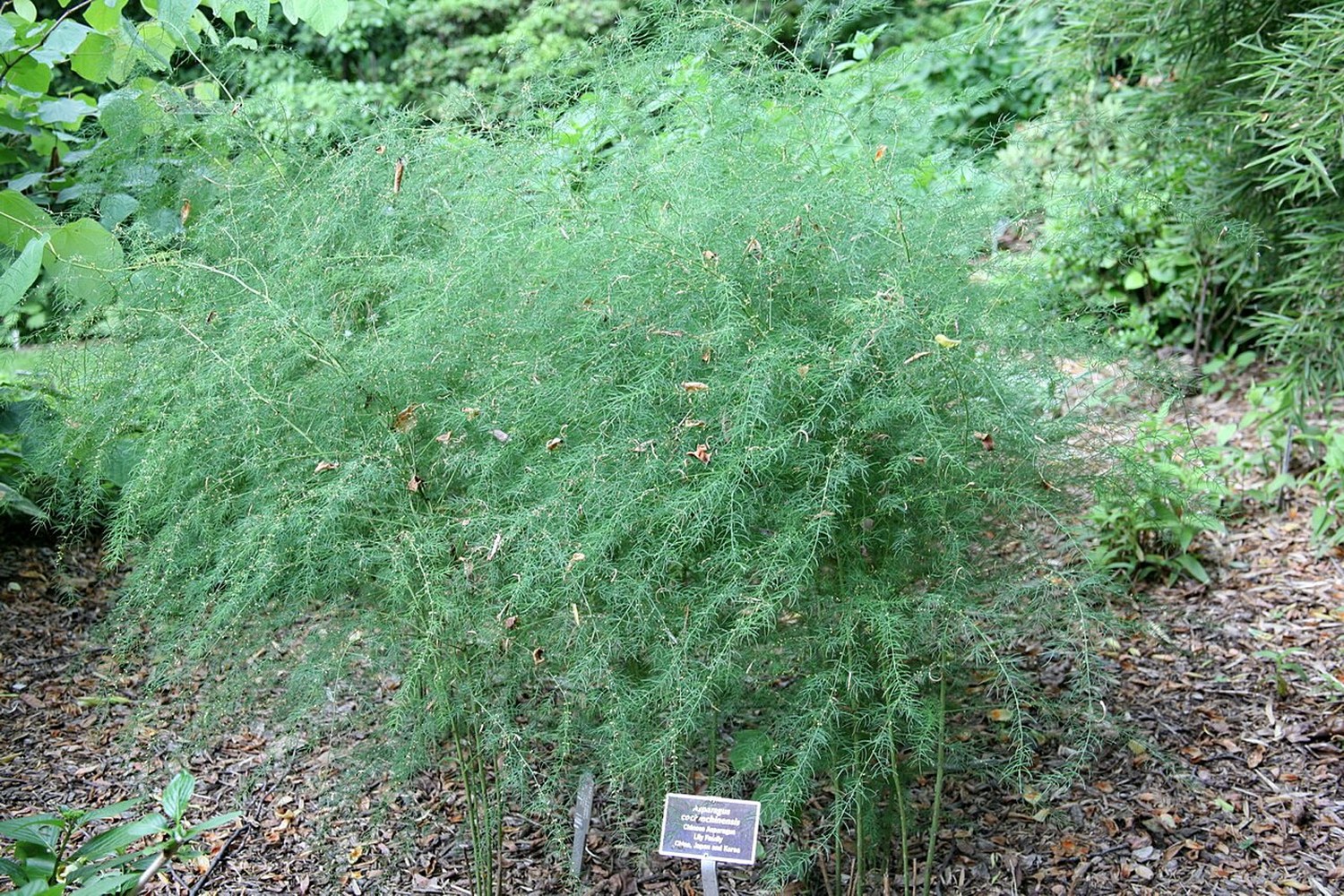
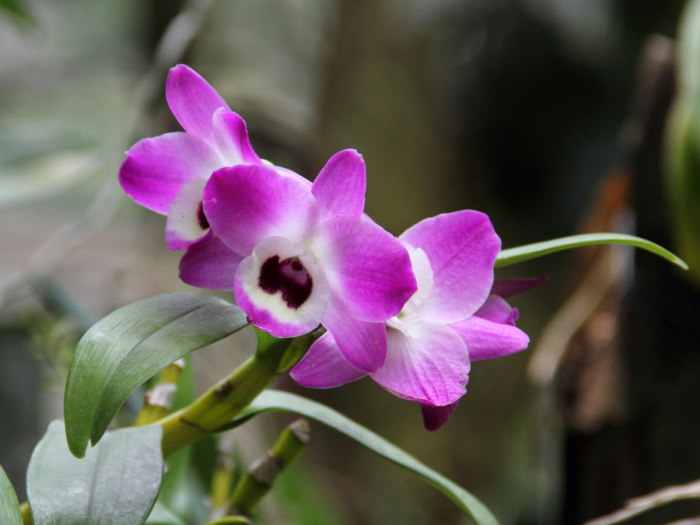
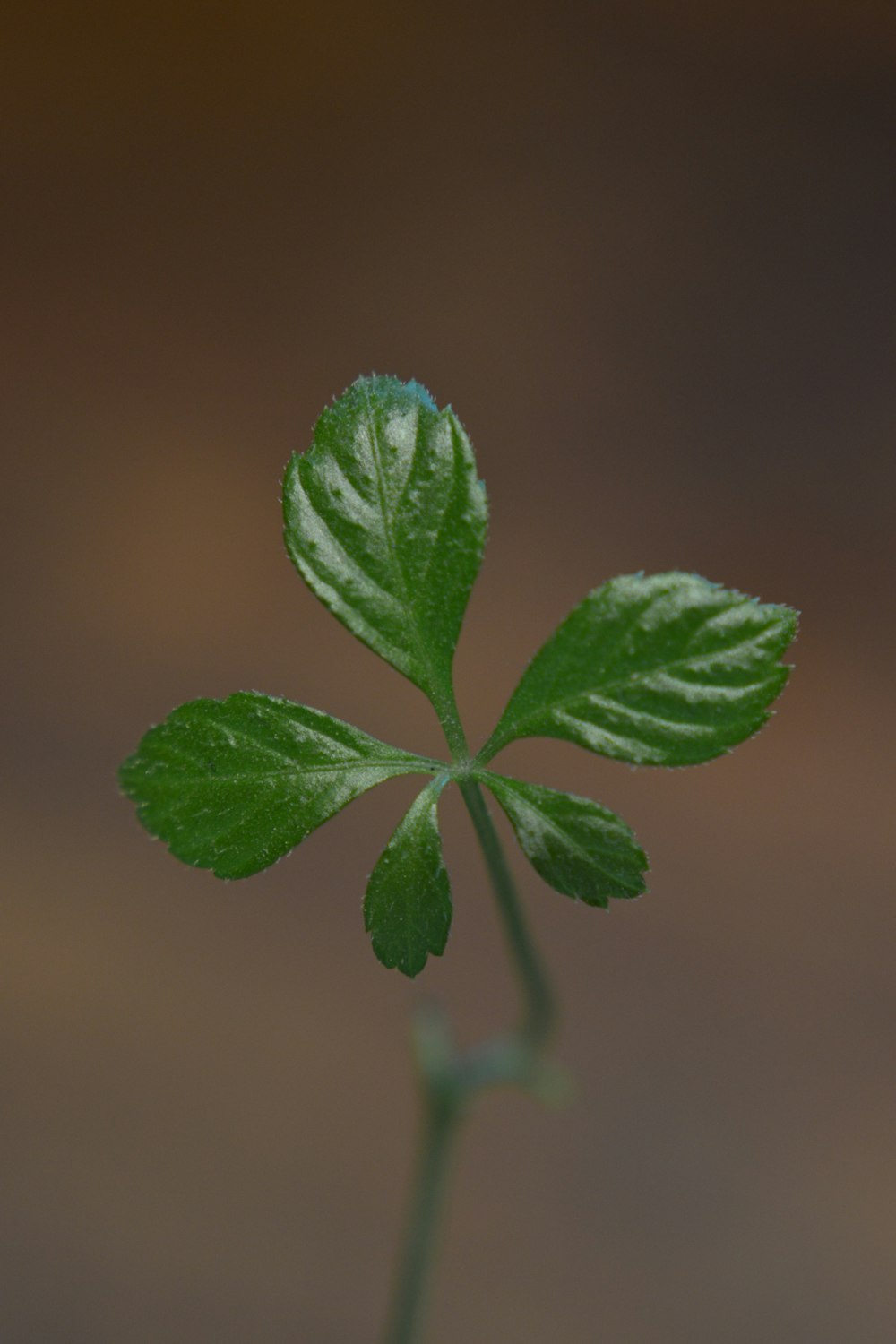
Reach for Bloom when you want abundance you can see — more flowers, denser trusses, fruit that holds and fills rather than dropping. Rather than pushing the plant with raw nitrogen (which only grows more leaf), Bloom leans on something gardeners have always understood intuitively: feed the plant concentrated, mineral-dense botanical matter and let the plant decide how to use it. The formula is a compounding of whole berry and adaptogenic-root extracts — goji, mulberry, longan, schizandra, plus asparagus root, dendrobium, and gynostemma — chosen because they are some of the richest natural reservoirs of the minerals, pigments, and protective compounds a plant draws on during bloom.
It is also a resilience feed, not just a bloom-booster. Flowering plants are most fragile precisely when they are most committed — heat, drought stress, or a cold night during fruit set can cost you the harvest. The adaptogenic botanicals in Bloom were selected because, in their own biology, they are stress-survival chemistry: compounds the source plants make to hold themselves together under hardship. Delivered as a dilute weekly drench, they give your garden support through the swings of a real growing season, so the plant carries its flowers and fruit to completion instead of stalling.
It comes as a concentrated one-ounce batch — roughly twenty scoops — that you compound yourself into water, one teaspoon per gallon, weekly during bloom. A little goes a long way, and the same jar carries a bed, a row of fruiting vines, or a balcony of flowering pots through an entire reproductive cycle.
The botanical chemistry inside
The characterized plant compounds in this blend, documented in phytochemical research. Offered as botanical nutrition for the plant's own vigor and resilience — chemistry and tradition, nothing beyond the plant's own conditioning.
For Plants
Small-batch. Dual-extracted where it matters. Made by hand.
How to take it
1 teaspoon per gallon of water, applied weekly during bloom phase
Whole plant, never isolated
Concentrated extracts of the whole botanical — the way the body recognizes it.
Cited to measured biology
Every action we describe traces to the compound and its measured target.
Structure & function
We describe what an herb nourishes — never a claim to treat disease.
Secure checkout
Encrypted payment and human verification on every order.
- Free shipping over $150USPS Priority, tracked. $15 standard; ships in 1–3 business days.
- 30-day returnsIn original packaging and resalable condition. Refunded to your original payment method.
What you get
What this formula gives you
More to show for the season — encourages abundant flowering and heavier fruit set during the reproductive phase
Fruit that holds and fills, rather than aborting under the energy demand of bloom
Mineral- and pigment-dense feeding that supports the plant's own reproductive economy
Stress resilience through the swings of a real growing season — heat, drought, and cold-night setbacks
Biomimetic adaptogen synergy: the survival chemistry of plants that thrive in hard places, fed to your garden
One concentrated 1 oz batch (~20 scoops) carries a bed, a fruiting row, or a balcony of pots through a full bloom cycle
How it works
The science of Bloom
Not buzzwords — the actual chemistry of the plants in this formula: their characterized compounds and the proteins those compounds are measured to engage, every one cited.
The reproductive phase is, at the cellular level, a phase of intense translocation: the plant mobilizes minerals and sugars out of leaves and roots and into developing flowers and fruit. Bloom is formulated around botanicals that are unusually concentrated in exactly those building blocks. Goji (Lycium barbarum), mulberry (Morus alba), and longan (Dimocarpus longan) are berry and fruit extracts whose dried tissue is dense in carotenoid pigments (zeaxanthin, beta-carotene), polyphenols and flavonoids (quercetin, rutin, chlorogenic acid in goji; gallic and ellagic acid, epicatechin, corilagin in longan), and the osmolyte betaine. In plant terms, these are not abstractions — carotenoids and flavonoids are the same pigment and antioxidant families a plant manufactures to protect its own flowers and developing fruit from light and oxidative stress, and betaine is a classic compatible solute plants accumulate to hold water and protein structure under heat and drought. Supplying this material as a dilute drench gives the garden a ready pool of the pigments, polyphenols, and osmolytes that reproductive tissue draws on heavily.
The adaptogenic backbone — schizandra (Schisandra chinensis), asparagus root (Asparagus cochinchinensis), dendrobium (Dendrobium nobile), and gynostemma (Gynostemma pentaphyllum) — contributes a second class of chemistry: stress-protective secondary metabolites. Schizandra is rich in lignans (schisandrin A/B/C); asparagus root carries steroidal saponins and sapogenins (diosgenin, sarsasapogenin, protodioscin) plus the norlignan nyasol; dendrobium contributes bibenzyls and phenanthrenes (moscatilin, gigantol) alongside its characteristic mucilage polysaccharides; and gynostemma is dense in dammarane saponins (ginsenosides Rb1/Rd/Rg3, gypenosides). These are precisely the compound classes that the source plants evolved as their own resilience toolkit — saponins as surface-active defense and membrane-interacting molecules, lignans and bibenzyls as antioxidant phenolics, polysaccharides as water-binding, structure-protecting matrices. Folding them into a bloom drench is biomimetic by design: you are feeding the garden the survival chemistry of plants that are themselves famous for thriving in hard places.
There is a measured-mechanism thread running underneath all of this that explains why these particular botanicals belong together. Many of their signature compounds converge on core metabolic and stress-signaling machinery — gynostemma's ginsenosides and gypenosides are measured activators of AMPK, the central cellular energy-balance sensor; dendrobium's moscatilin and gigantol interact with the regulatory kinase GSK-3 and with calmodulin, the calcium messenger; goji's and longan's flavonoids are broad-spectrum antioxidant and enzyme-modulating molecules. We map these compound-to-target relationships in our own molecular database, drawn from primary biochemical sources, rather than asserting them from folklore. The honest statement is this: Bloom concentrates real, identifiable mineral density, antioxidant pigment, osmolyte, and stress-metabolite chemistry — the material a plant spends during flowering — and delivers it in a dilute, weekly, root-and-foliar-friendly form. It nourishes the plant's own reproductive economy; the plant does the blooming.
The molecules, measured
A formula is a community of compounds. Below are active molecules from the herbs in this blend and the proteins each is measured to engage — the precise points where the plants meet biology. So you see not just that it works, but how.
Lycium barbarum
Betaine
PubChem ↗Measured to act on
An enzyme that recycles the amino acid homocysteine back into methionine using betaine.
Scopoletin
PubChem ↗Measured in the lab: binds tightly to Carbonic anhydrase 9 · Ki 960 nM
Measured to act on
An enzyme that helps cells balance acidity by managing carbon dioxide.
Morus alba
1-Deoxynojirimycin (DNJ)
PubChem ↗Measured to act on
An enzyme inside cells that breaks down stored glycogen into usable glucose.
An enzyme that trims sugar chains as proteins are properly folded and finished.
A gut enzyme that finishes digesting starch into glucose for absorption.
Oxyresveratrol
PubChem ↗Measured in the lab: binds very tightly to Tyrosinase · IC50 90 nM
Measured to act on
The enzyme that produces melanin, the pigment that colors skin and hair.
A carrier protein that transports thyroid hormone and vitamin A through the blood.
A liver-type enzyme that processes hormones and foreign compounds for clearance.
Schisandra chinensis
Schisandrin B (Wuweizisu B)
PubChem ↗Measured in the lab: binds very tightly to Multidrug resistance-associated protein 1 · IC50 1.25 nM
Measured to act on
A guardian enzyme that senses DNA stress and helps coordinate repair.
A sentinel enzyme that detects DNA breaks and signals the cell to mend them.
An enzyme that helps stitch broken DNA strands back together.
Schisandrin C (= Wuweizisu C)
PubChem ↗Measured to act on
The enzyme that drives the body's inflammatory response.
The liver's busiest enzyme for breaking down compounds the body takes in.
A liver enzyme that helps metabolize and clear many compounds from the body.
Dimocarpus longan
Gallic acid
PubChem ↗Measured in the lab: binds very tightly to Amyloid-beta precursor protein · EC50 1.7 nM
Measured to act on
A mitochondrial enzyme involved in breaking down fatty acids and balancing steroid hormones.
An enzyme that adds sugar tags to cells, helping immune cells find their way through tissue.
An enzyme that edits chemical tags on DNA-packaging proteins to regulate genes.
Ellagic acid
PubChem ↗Measured in the lab: binds very tightly to Amyloid-beta precursor protein · EC50 1.7 nM
Measured to act on
A protein that repairs damaged DNA and helps balance the cell's oxidative state.
A constantly active signaling enzyme involved in cell growth and stress responses.
An enzyme in the liver and red blood cells that helps turn sugar into usable energy.
Asparagus cochinchinensis
Diosgenin (steroidal sapogenin aglycone of A. cochinchinensis saponins)
PubChem ↗Measured to act on
A protein that shuttles cholesterol and lipids between compartments inside the cell.
Sarsasapogenin (steroidal sapogenin)
PubChem ↗Measured in the lab: binds tightly to Solute carrier organic anion transporter family member 1B3 · IC50 105 nM
Measured to act on
A liver transporter that draws compounds from the blood into liver cells.
A liver transporter that helps usher substances into the liver for processing.
A membrane protein in brain cells whose fragments play a role in neural signaling and structure.
Dendrobium nobile
Moscatilin
PubChem ↗Measured to act on
A versatile signaling enzyme involved in energy storage, cell structure, and growth.
A versatile signaling enzyme involved in energy storage, cell structure, and growth.
A signaling enzyme that helps cells respond to stress and coordinate their activity.
Gigantol
PubChem ↗Measured to act on
A small calcium-sensing protein that relays calcium signals throughout the cell.
A small calcium-sensing protein that relays calcium signals throughout the cell.
A central signaling enzyme governing cell growth, survival, and metabolism.
Gynostemma pentaphyllum
Ginsenoside Rb1
PubChem ↗Measured to act on
The cell's energy sensor, balancing fuel use when reserves run low.
Ginsenoside Rd
PubChem ↗Measured to act on
The cell's energy sensor, balancing fuel use when reserves run low.
Cited science · not claims
Everything we publish about these plants traces to a primary source — the compounds to PubChem, ChEMBL, and BindingDB, the traditional uses to named, dated herbals. We describe what a plant is and what it is understood to nourish — the body’s own systems, structure and function only. We do not claim it treats, cures, or prevents any disease, and nothing here is a substitute for professional care. See our method & sources →
These statements have not been evaluated by the Food and Drug Administration. Not intended to diagnose, treat, cure, or prevent any disease.
Why these herbs together
The shared mechanism
More than one botanical in this blend is measured to engage the same molecular targets. We share the convergent chemistry — characterized and cited, never a claim.
Goji Berry · Mulberry · Longan Berry · Asparagus Root · Gynostemma
Goji Berry · Mulberry · Longan Berry · Gynostemma
Goji Berry · Mulberry · Asparagus Root · Gynostemma
Goji Berry · Mulberry · Asparagus Root
Goji Berry · Mulberry · Asparagus Root
Goji Berry · Mulberry · Asparagus Root
Each convergence is a gene whose protein two or more of this formula’s herbs are measured to engage (PubChem BioAssay & ChEMBL). It describes characterized molecular activity and the protein’s normal role — structure and function only, never a claim to treat, cure, or prevent any disease.
In practice
Who it’s for, and how to use it
Who it’s for
For the grower who has the vegetative phase handled and now wants the payoff — fuller flowering, denser trusses, and fruit that actually sets and fills. Reach for it when your plants have shifted into bud and bloom: flowering ornamentals, fruiting vegetables, berries, and fruit trees through their reproductive stretch, and any garden pushing for an abundant, vigorous display rather than just more green growth. Equally at home in a raised bed, a row of vines, or a balcony of flowering pots.
How to use it
Compound one teaspoon of Bloom into one gallon of water and apply weekly during the bloom phase, beginning as the plant shifts into bud and continuing through fruit set and ripening. Use as a root drench or dilute foliar feed. Start at the lighter end on young or potted plants and build to the full rate as flowering accelerates. The 1 oz batch yields roughly twenty scoops — enough to carry a bed, a fruiting row, or a balcony of pots through a full reproductive cycle.
Measure · 1 teaspoon per gallon of water, applied weekly during bloom phase
What’s inside
Inside: a compounding of mineral-rich berry extracts — goji, mulberry, and longan — woven together with adaptogenic botanicals, schizandra, asparagus root, dendrobium, and gynostemma. The berries bring the pigment, polyphenol, and mineral density a plant spends during flowering; the adaptogens bring the stress-survival chemistry their source plants evolved to thrive in hard places. Chosen together because flowering asks a plant for both abundance and endurance at once.
For agricultural and horticultural use. Supports plant growth, vigor, and resilience — not a claim of any effect on human or animal health.
Pairs well with
Formulas that share Bloom's botanicals
Built from overlapping herbs, these reinforce Bloom along the same lines — the shared-botanical kinship our genome engine maps.