
For Plants
Foliar Feed
Feed the leaves direct — a fine mineral mist that fills the canopy with vivid, well-nourished growth.
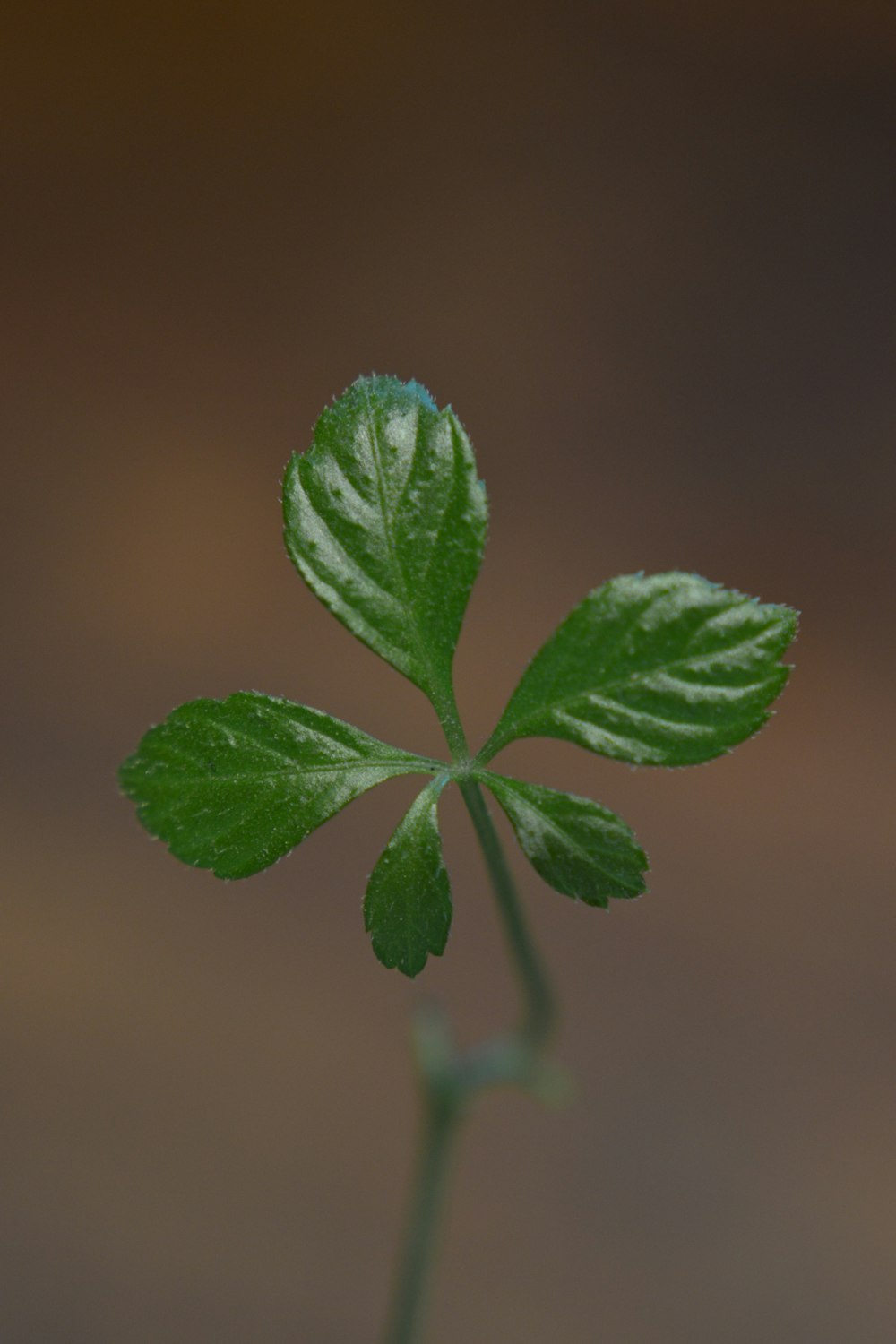
Frond feeds your plants where they are most alive: the leaf itself. The canopy is not just where a plant catches light — it is the surface through which it drinks. Misted onto the foliage as a fine spray, Frond delivers a complete, all-botanical meal of ocean minerals and green plant nutrients straight into the tissue, so the leaves green up, broaden, and carry the whole plant forward.
This is a foliar feed, built for the moments a plant is asking for more — a flush of new growth, a pale or tired canopy, a stretch of heavy demand when the roots alone cannot keep pace. Seaweeds, green leaf concentrates, and a balancing botanical work together to top up what soil feeding can be slow to reach. The result is a fuller, more deeply colored canopy and steadier momentum through the growing season.
Frond is deliberately gentle and dilute. A foliar feed is a supplement to a plant's diet, not a forced push — it nourishes the leaf surface and the metabolism behind it, then lets the plant do what plants know how to do. Use it as a light leaf mist or, at the fuller rate, as a soil drench, and let it round out the rest of your feeding program.
It belongs to the GGG Plants line as the canopy feeder: where Temper builds standing strength and Aegis keeps the surface clean and resilient, Frond is the one you reach for to fill out the leaves and keep growth vivid and well-fed.
The botanical chemistry inside
The characterized plant compounds in this blend, documented in phytochemical research. Offered as botanical nutrition for the plant's own vigor and resilience — chemistry and tradition, nothing beyond the plant's own conditioning.
For Plants
Small-batch. Dual-extracted where it matters. Made by hand.
How to apply
Foliar feed at the lighter rate, or soil drench at the fuller rate, about once a month or every other feeding.
Raw powders are for soil drenching only — they do not fully dissolve, so they are not suitable for foliar spraying.
For growers who want to feed the canopy directly — houseplants, vegetables, herbs, fruiting plants, and ornamentals that would benefit from a richer, greener leaf and a faster nutrient pickup than soil feeding alone provides. Especially suited to plants pushing new growth, looking pale or tired, or working through a season of heavy demand.
Whole plant, never isolated
Concentrated extracts of the whole botanical — the way the body recognizes it.
Cited to measured biology
Every action we describe traces to the compound and its measured target.
Structure & function
We describe what an herb nourishes — never a claim to treat disease.
Secure checkout
Encrypted payment and human verification on every order.
- Free shipping over $150USPS Priority, tracked. $15 standard; ships in 1–3 business days.
- 30-day returnsIn original packaging and resalable condition. Refunded to your original payment method.
What you get
What this formula gives you
A fuller, more deeply colored canopy — leaves that green up and broaden rather than thin out
Direct leaf-level feeding that reaches the plant faster than soil feeding alone, useful when growth is demanding
A complete spread of ocean minerals and trace elements in forms the leaf can take up
Chlorophyll-active greens that support steady photosynthesis and vivid pigment
Natural seaweed and saponin chemistry that helps the spray wet, spread, and cling to waxy foliage
A gentle, dilute, all-botanical feed that rounds out an existing program without forcing growth
How it works
The science of Foliar Feed
Not buzzwords — the actual chemistry of the plants in this formula: their characterized compounds and the proteins those compounds are measured to engage, every one cited.
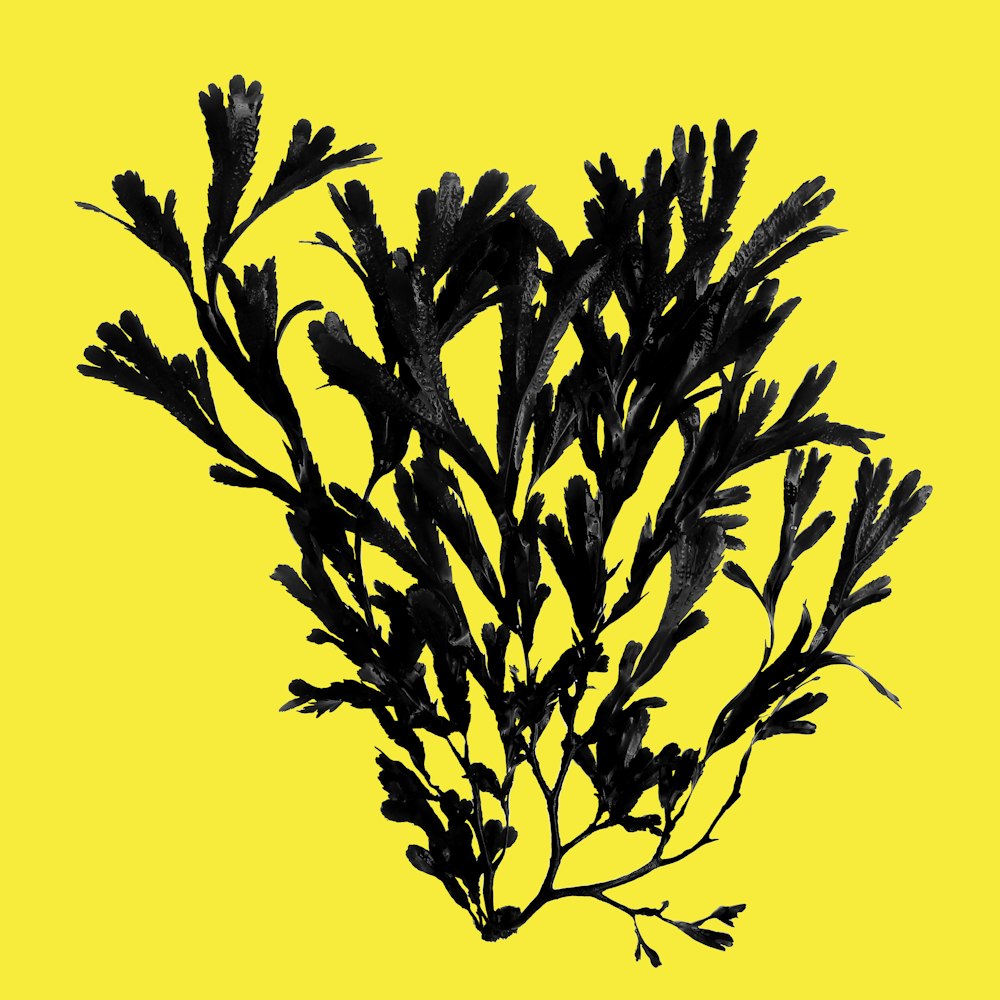
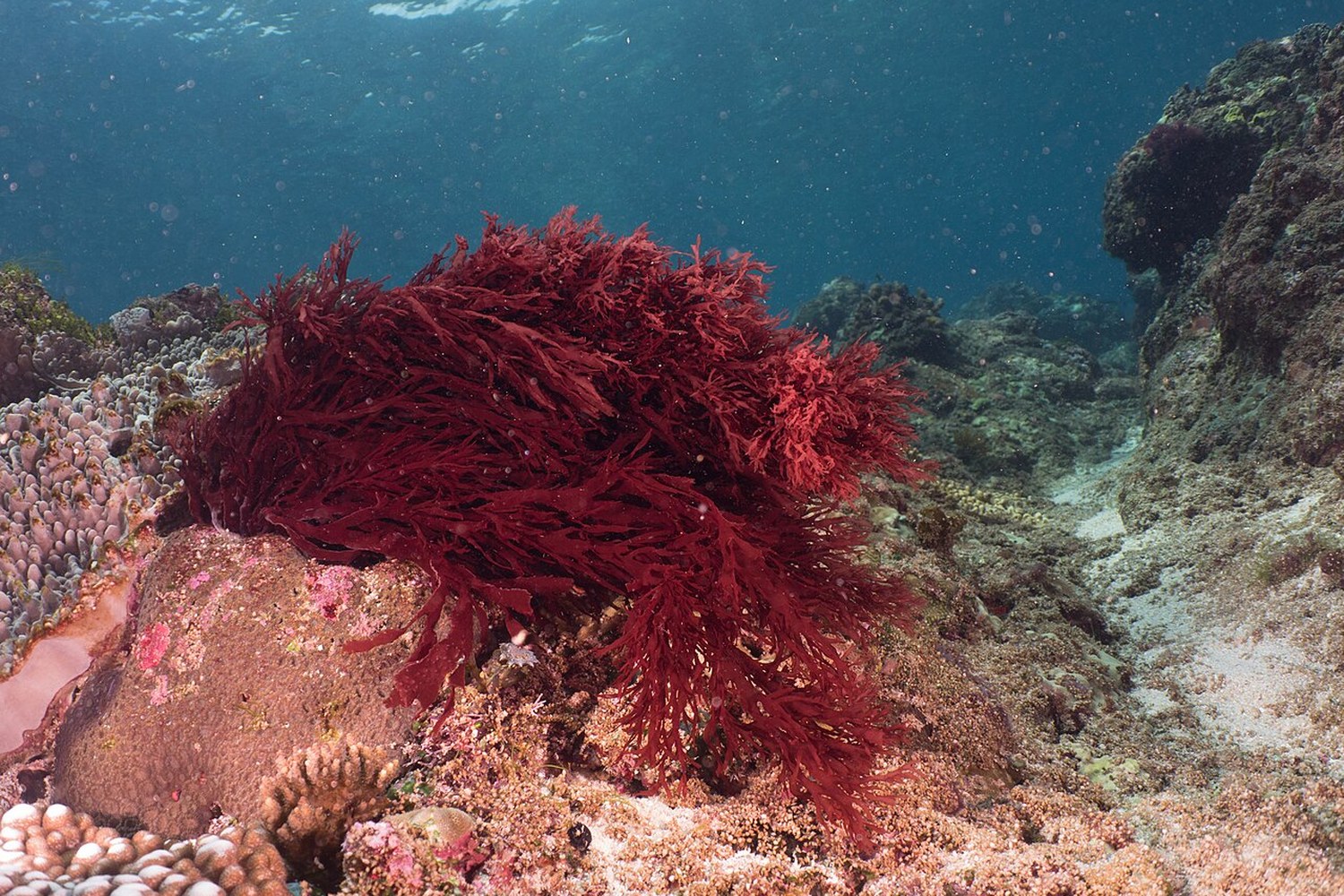
The seaweeds — bladderwrack and Jamaican purple sea moss — are the mineral backbone. Marine algae concentrate the dissolved mineral wealth of the ocean: potassium, magnesium, iron, and a wide spread of trace elements, held in forms a leaf can take up directly. Bladderwrack carries the brown-algae pigment fucoxanthin and the seaweed compound phloroglucinol, while the red sea moss contributes floridoside and taurine alongside its long-chain sulfated-galactan sugars. Those seaweed sugars are what let a foliar spray wet and cling to a waxy leaf instead of beading off — so the minerals stay in contact long enough to be absorbed.
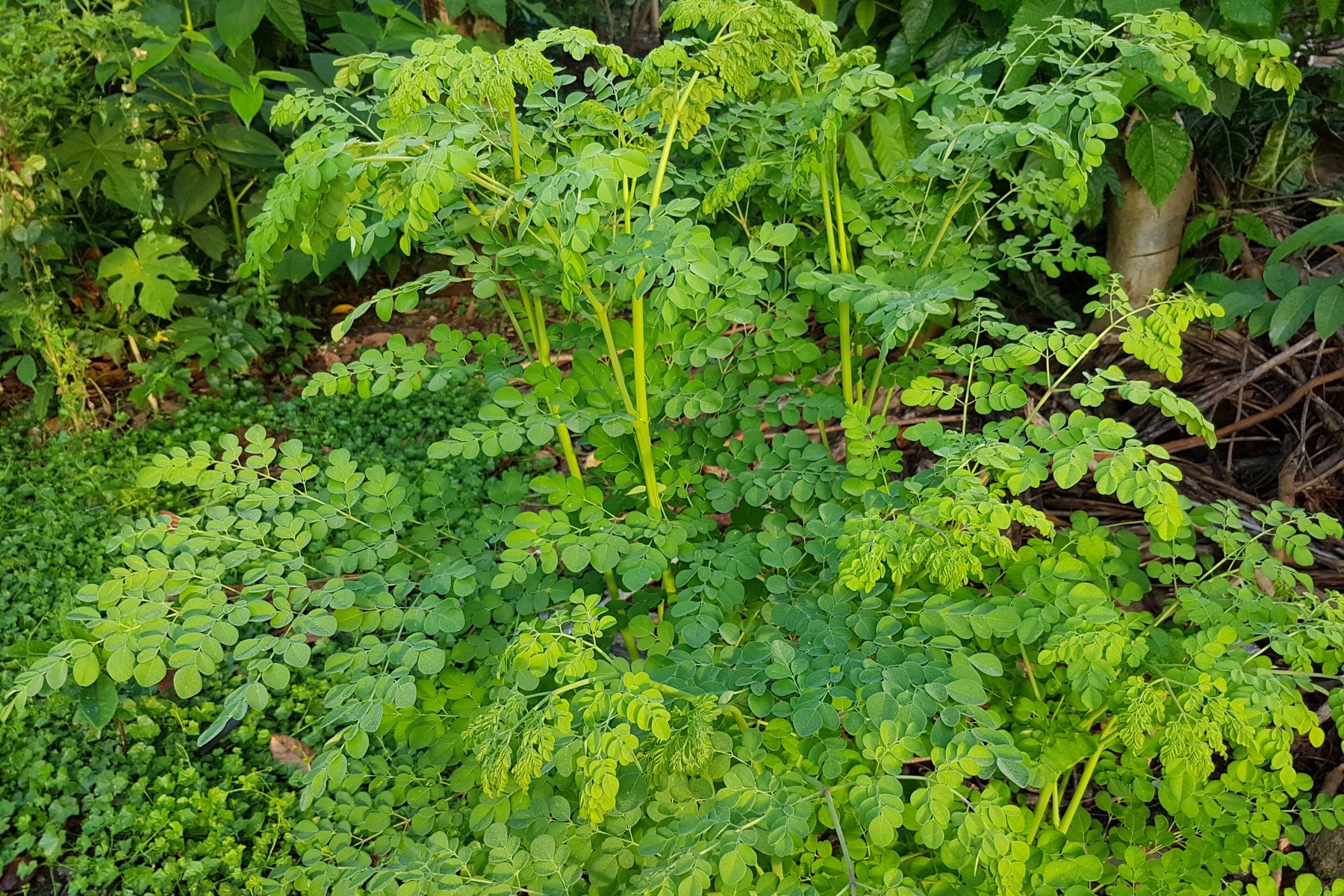
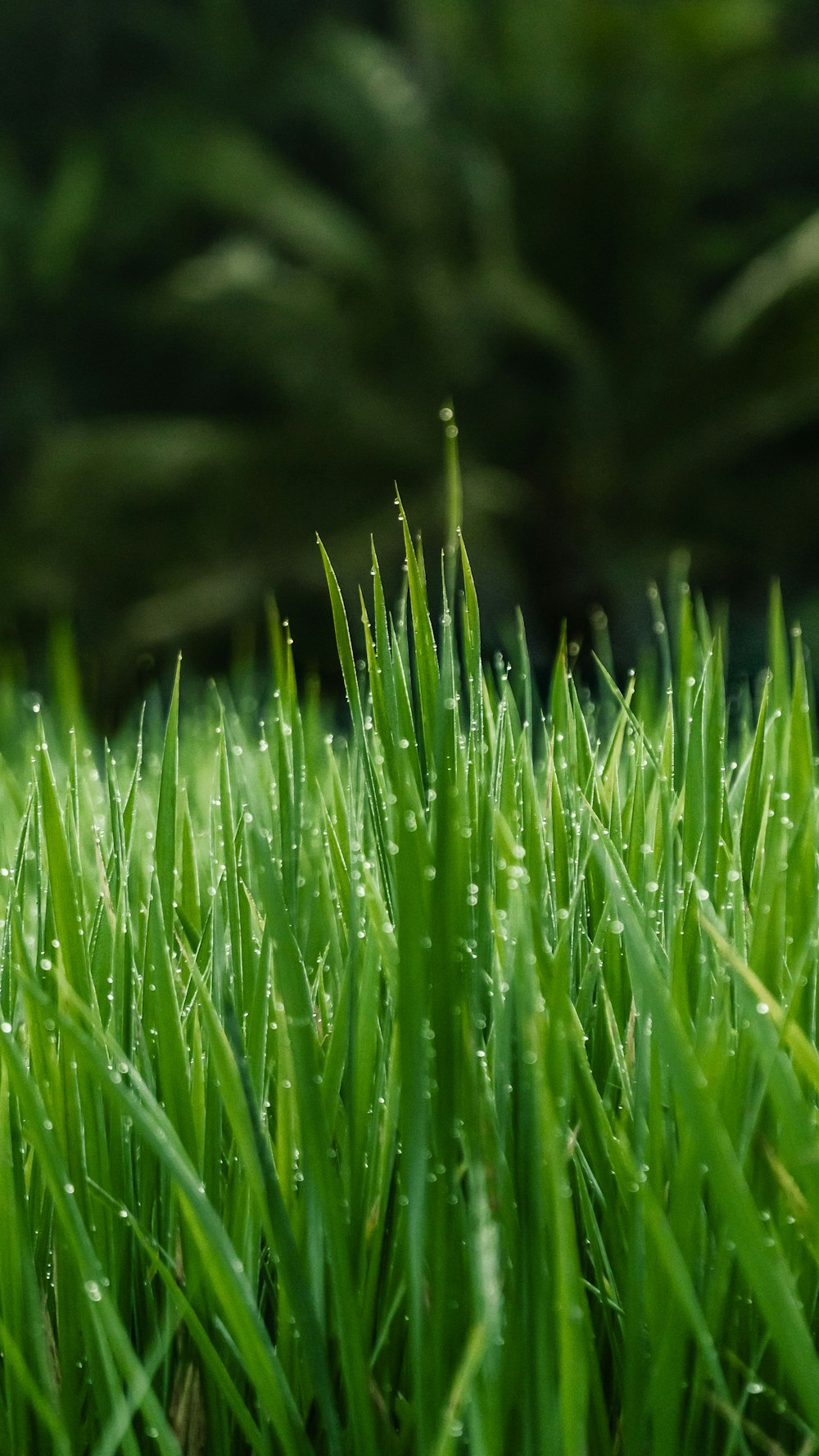
The two green concentrates — moringa and wheat grass — bring the chlorophyll-active side of the feed. Both are dense in the building blocks of green tissue, and both carry well-characterized leaf flavonoids: quercetin and kaempferol in moringa, apigenin and luteolin in wheat grass. Chlorophyll-rich greens supply the magnesium- and nitrogen-bearing material that a plant uses to build new pigment and run photosynthesis, which is why a canopy fed this way deepens in color rather than simply growing larger. Moringa in particular is unusually complete, carrying a broad spread of minerals and amino acids in one leaf.
Gynostemma rounds the formula. It carries gypenoside and ginsenoside-type saponins which act as natural surfactants, helping the spray spread evenly across the leaf and improving how well the rest of the feed is wetted in and taken up. Together the five give Frond what a foliar feed needs: minerals in available form, green building blocks, and the surface chemistry to actually get them into the leaf. Every compound named here is measured and sourced to public chemical databases — nothing is inferred.
The molecules, measured
A formula is a community of compounds. Below are active molecules from the herbs in this blend and the proteins each is measured to engage — the precise points where the plants meet biology. So you see not just that it works, but how.
Fucus vesiculosus
Phloroglucinol
PubChem ↗Measured to act on
A gateway in the cell membrane that lets calcium in to trigger nerve and muscle activity.
An enzyme that cuts proteins at the cell surface, part of normal protein turnover.
Eucheuma cottonii / Gracilaria spp.
Taurine
PubChem ↗Measured to act on
A transporter that carries taurine, an amino acid important to heart and eye tissue, into cells.
beta-Carotene
PubChem ↗Measured in the lab: binds tightly to Solute carrier organic anion transporter family member 1B1 · Ki 340 nM
Measured to act on
A liver transporter that moves compounds from the blood into liver cells for processing.
A liver transporter that carries compounds out of the blood for the liver to handle.
Moringa oleifera
Quercetin
PubChem ↗Measured in the lab: binds very tightly to Amine oxidase [flavin-containing] A · IC50 10 nM
Measured to act on
The enzyme that converts androgens into estrogen, the body main estrogen source.
An enzyme that converts glucose into sorbitol, part of how cells handle sugar.
A liver-type enzyme that processes hormones and environmental compounds.
Kaempferol
PubChem ↗Measured in the lab: binds very tightly to Carbonic anhydrase 7 · Ki 25 nM
Measured to act on
A liver enzyme that breaks down many compounds the body takes in.
An enzyme that balances carbon dioxide and acidity, part of the body's pH chemistry.
A sensor protein that detects environmental compounds and adjusts the body's response.
Triticum aestivum
Apigenin
PubChem ↗Measured to act on
An enzyme that tags other proteins to coordinate cell growth and routine cellular housekeeping.
A liver-type enzyme that processes hormones and environmental compounds.
A transport protein that carries thyroid hormone and vitamin A through the bloodstream.
Luteolin
PubChem ↗Measured to act on
A liver-type enzyme that processes hormones and environmental compounds.
A central signaling enzyme involved in energy storage, cell structure, and growth regulation.
The enzyme that produces uric acid as the body breaks down purines from cells and food.
Gynostemma pentaphyllum
Ginsenoside Rb1
PubChem ↗Measured to act on
The cell's energy sensor, balancing fuel use when reserves run low.
Ginsenoside Rd
PubChem ↗Measured to act on
The cell's energy sensor, balancing fuel use when reserves run low.
Cited science · not claims
Everything we publish about these plants traces to a primary source — the compounds to PubChem, ChEMBL, and BindingDB, the traditional uses to named, dated herbals. We describe what a plant is and what it is understood to nourish — the body’s own systems, structure and function only. We do not claim it treats, cures, or prevents any disease, and nothing here is a substitute for professional care. See our method & sources →
These statements have not been evaluated by the Food and Drug Administration. Not intended to diagnose, treat, cure, or prevent any disease.
Why these herbs together
The shared mechanism
More than one botanical in this blend is measured to engage the same molecular targets. We share the convergent chemistry — characterized and cited, never a claim.
Moringa · Wheat Grass · Gynostemma
Moringa · Wheat Grass · Gynostemma
Bladderwrack · Moringa · Wheat Grass
Bladderwrack · Moringa
Bladderwrack · Gynostemma
Bladderwrack · Gynostemma
Each convergence is a gene whose protein two or more of this formula’s herbs are measured to engage (PubChem BioAssay & ChEMBL). It describes characterized molecular activity and the protein’s normal role — structure and function only, never a claim to treat, cure, or prevent any disease.
In practice
Who it’s for, and how to use it
Who it’s for
For growers who want to feed the canopy directly — houseplants, vegetables, herbs, fruiting plants, and ornamentals that would benefit from a richer, greener leaf and a faster nutrient pickup than soil feeding alone provides. Especially suited to plants pushing new growth, looking pale or tired, or working through a season of heavy demand.
How to use it
Dilute 1/8 to 1/4 teaspoon per gallon of water. For a foliar feed, mix at the lighter rate and mist evenly over the tops and undersides of the leaves until just wet, ideally in the cooler hours of morning or evening rather than under hot midday sun. For a soil drench, use the fuller rate and water in at the base. Apply about once a month, or every other feeding. Shake or stir well, as the mineral and green solids will settle. Start light on anything new and give the plant a few days to respond before increasing.
Measure · Dilute 1/8 to 1/4 teaspoon per gallon of water. Foliar feed at the lighter rate, or soil drench at the fuller rate, about once a month or every other feeding.
What’s inside
Frond came together from the same instinct that runs through everything we grow: feed the living surface and the plant takes it from there. Seaweeds for the minerals, greens for the chlorophyll, and gynostemma to carry it across the leaf — a small, honest blend meant to round out your feeding, not replace your care. Mist it on a quiet morning and watch the canopy answer. Thank you for tending your plants this way.
For agricultural and horticultural use. Supports plant growth, vigor, and resilience — not a claim of any effect on human or animal health.
Pairs well with
Formulas that share Foliar Feed's botanicals
Built from overlapping herbs, these reinforce Foliar Feed along the same lines — the shared-botanical kinship our genome engine maps.