
For Pets
Trim
A trim, active frame and a metabolism that runs clean — the steady energy of an animal at its working weight.
Trim is built for the companion animal carrying a little more than its frame was made for — the cat who slowed down, the dog whose middle thickened over the easy years, the horse on rich pasture. It is not a crash and it is not a stimulant. It is botanicals chosen to help the body remember how to burn what it eats and hold a working weight, so a steady metabolism feels less like a fight and more like a return to the animal's own natural set point.
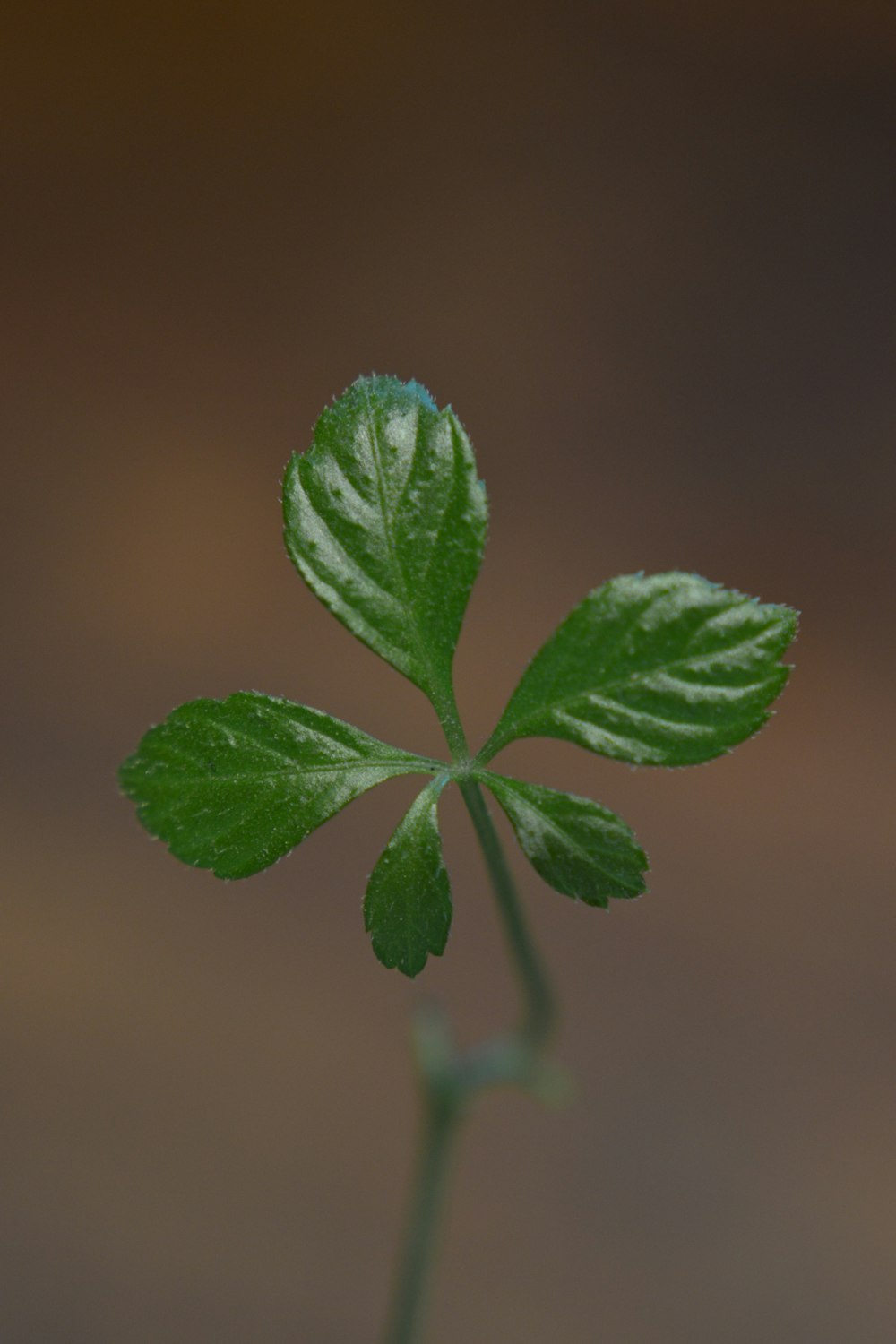
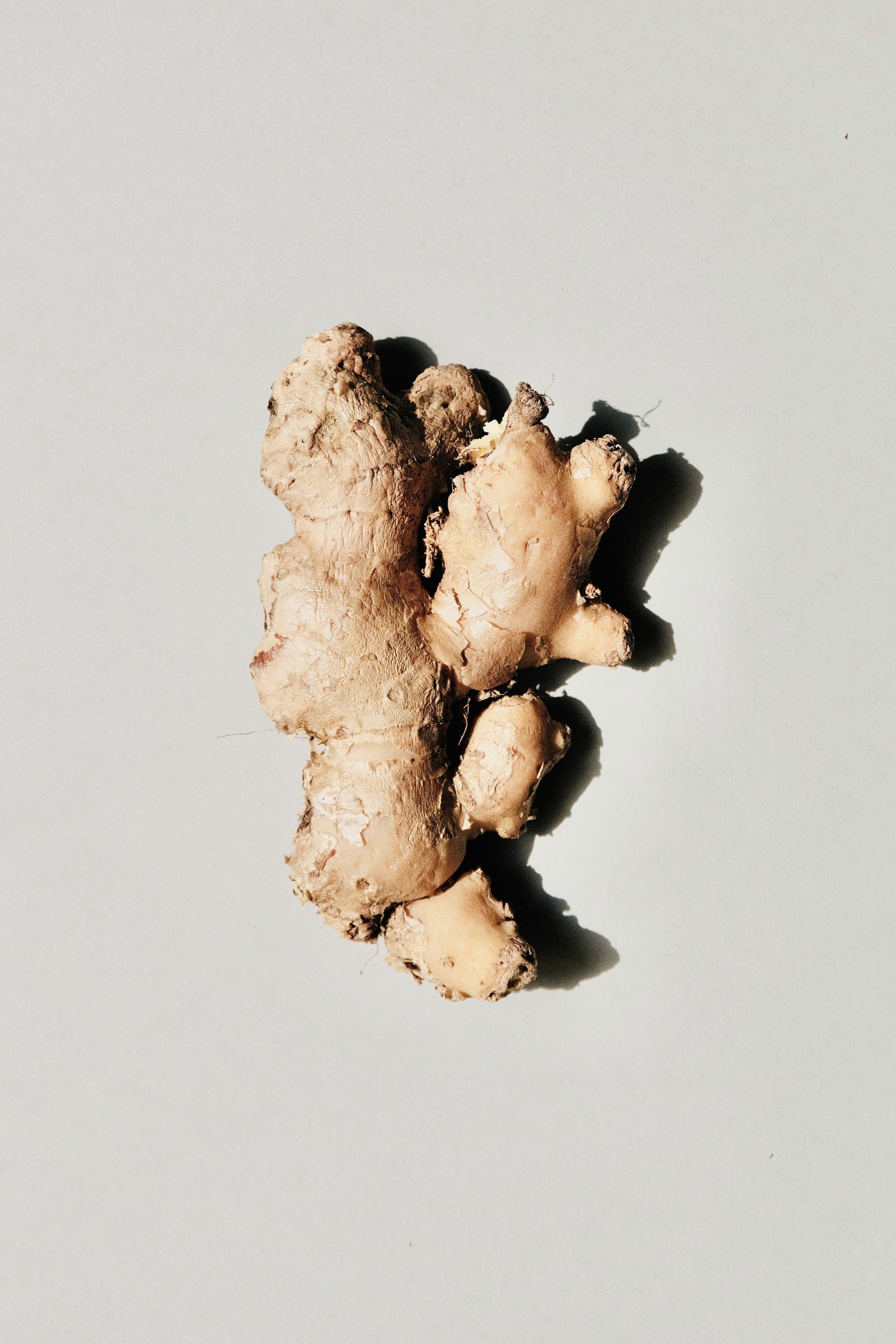
The work begins where weight is actually decided: inside the cell. Gynostemma — the herb East Asian tradition calls jiaogulan, the "herb of long life" of the southern mountains — carries gypenosides that engage the metabolic switch every animal uses to decide whether to store fuel or spend it. Ginger, the warming digestive root prized from Galen's Greece to the kitchens of Ayurveda, supports a smooth, even response to the food in the bowl. The result people describe is simple: an animal that handles its meals better and carries its energy more evenly across the day.
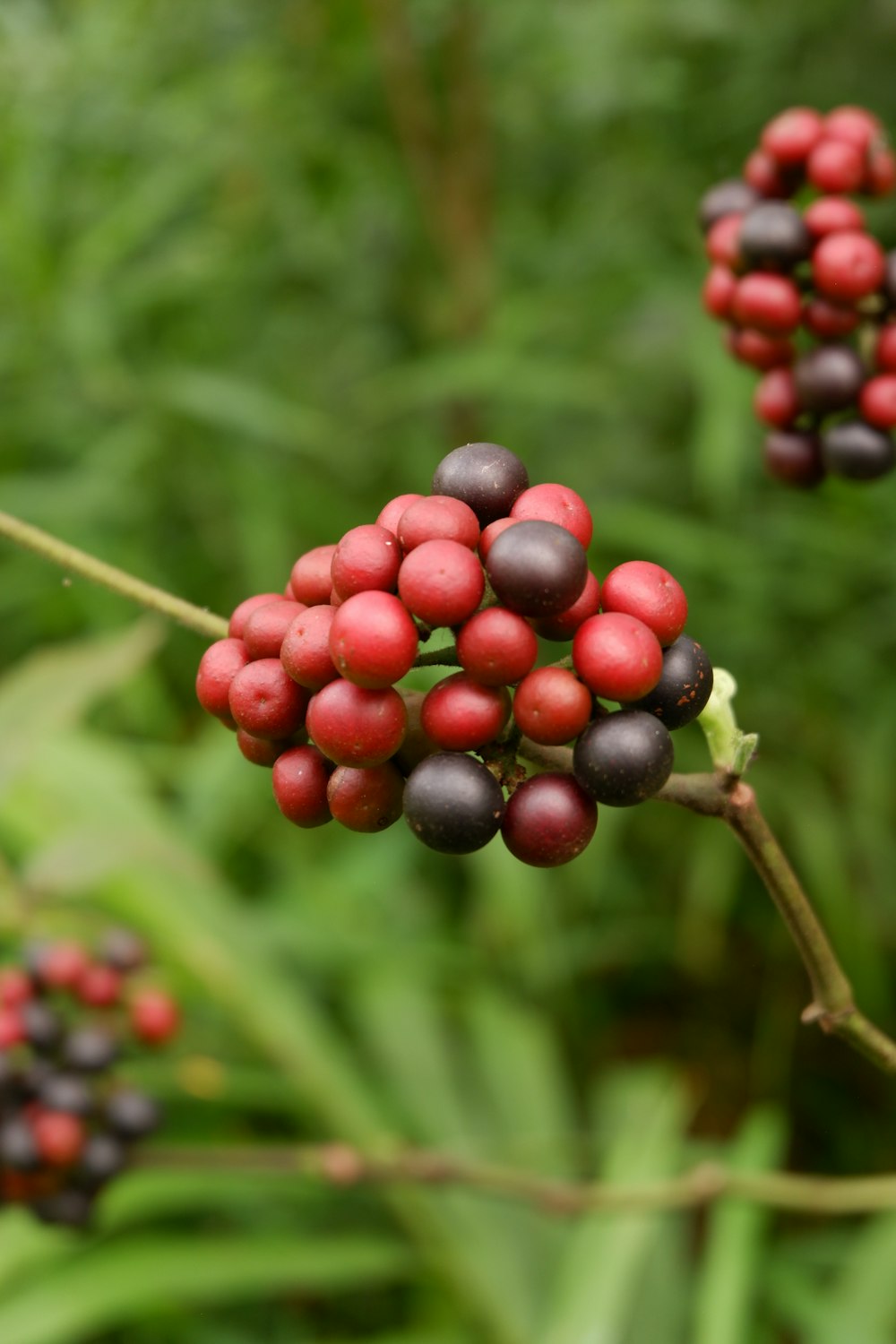
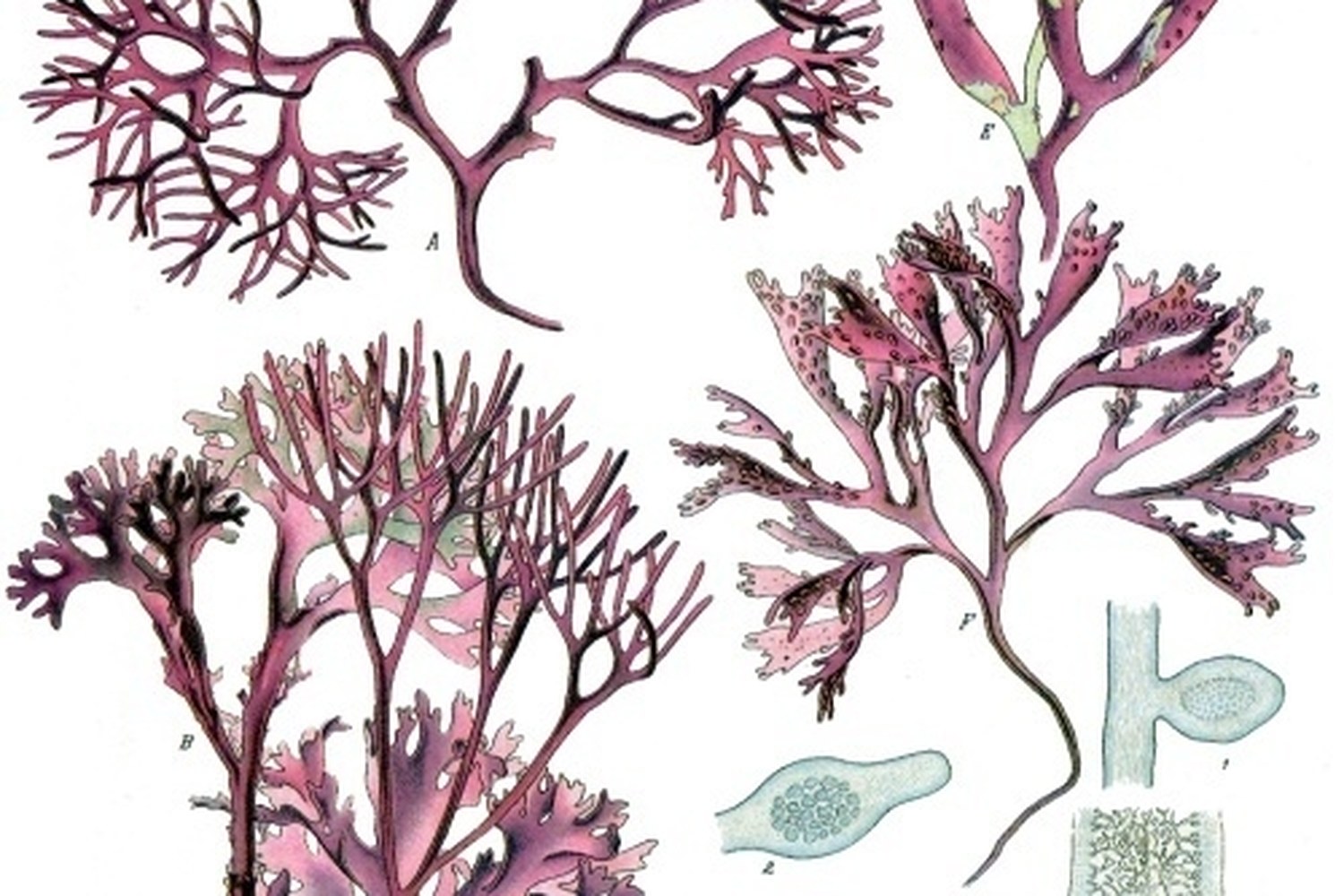
Around that metabolic core sit two herbs the old pharmacopeias prized for keeping the whole frame in balance. Schizandra — wu wei zi, the "five-flavor berry" the East Asian pharmacopeia ranks among the cleansing, balancing adaptogens — carries the schisandrin lignans the tradition kept as a clarifying tonic for the body's quiet accounting of fats and sugars behind every meal. Irish sea moss, the mineral-rich red seaweed North Atlantic and Celtic coastal peoples have gathered for centuries, brings the galactan polysaccharides and natural sea-mineral wealth those shore traditions reached for to set the body's whole pace of burn. These are the two places a slow metabolism usually traces back to; Trim brings the constituents both have long been characterized by.
Use it as the daily support behind sensible feeding and real movement. It will not melt weight off an animal — nothing honest does — but it gives a steady, food-borne nudge toward a leaner, more active frame, scaled gently to the creature in front of you, from a small cat to a large horse.
The characterized botanicals inside
Whole botanicals with compounds characterized in the scientific literature, used across centuries of traditional practice. We share the chemistry and the tradition — food and lineage, never a claim to treat any condition.
For Pets
Small-batch. Dual-extracted where it matters. Made by hand.
How to take it
A small amount of the dilute hot-water extract or powder stirred into food, scaled to body weight. Start low and build gradually over days.
Whole plant, never isolated
Concentrated extracts of the whole botanical — the way the body recognizes it.
Cited to measured biology
Every action we describe traces to the compound and its measured target.
Structure & function
We describe what an herb nourishes — never a claim to treat disease.
Secure checkout
Encrypted payment and human verification on every order.
- Free shipping over $150USPS Priority, tracked. $15 standard; ships in 1–3 business days.
- 30-day returnsIn original packaging and resalable condition. Refunded to your original payment method.
What you get
What this formula gives you
Gynostemma's gypenosides at the cellular fuel switch — the constituent the long-life tradition kept for a body that spends fuel rather than stores it, the groundwork of a healthy working weight
Supports an even, balanced response to each meal, helping an animal handle its food without the post-feeding heaviness
Feeds the liver and endocrine-thyroid rhythm that set the body's pace of burn — where a slow metabolism usually traces back to
Encourages an active, well-carried frame and the steady daytime energy of an animal at its working weight
A gentle, food-borne daily support that works alongside sensible feeding and real movement, never against the animal's own set point
Built for the whole companion animal kingdom — cats, dogs, and horses — scaled to the creature in front of you
How it works
The science of Trim
Not buzzwords — the actual chemistry of the plants in this formula: their characterized compounds and the proteins those compounds are measured to engage, every one cited.
Trim's herbs converge on the body's energy economy through compounds we can name and trace. Gynostemma carries gypenosides and ginsenosides (Rb1, Rd) that engage AMPK — the cellular fuel sensor that, when active, tips a cell toward spending stored energy rather than hoarding it. This is the molecular reason jiaogulan earned its centuries-old reputation as a vitality and long-life herb: it speaks to the master switch of metabolism in a language the body already uses. Ginger contributes 6-gingerol and 6-shogaol, measured to engage the COX enzymes PTGS1 and PTGS2 and the ALOX5 signaling enzyme, alongside zingerone — together supporting a smooth, even handling of the fuel coming in with each meal.
Schizandra and Irish sea moss round out the frame with constituents the old traditions kept for the pace of burn. Schizandra's signature lignans — schisandrin and schisandrin B — are the adaptogenic, liver-favoring constituents behind its classical use as a clarifying tonic; the liver is the body's metabolic clearinghouse for fats and sugars. Irish sea moss supplies its galactan polysaccharides — D-galactose and 3,6-anhydro-D-galactose — alongside floridoside and taurine, plus the trace-mineral wealth of a sea plant, the sea-mineral character coastal herbalists characterized as setting the whole animal's metabolic tempo.
This is structure-and-function support — nourishment the body recognizes and puts to work, helping its own systems return to balance rather than overriding them. Trim is food-grade botanical support, not a remedy for any condition. Every compound named here is one we have traced to a measured molecular identity and target — no claims beyond what the plants in this formula actually carry.
The molecules, measured
A formula is a community of compounds. Below are active molecules from the herbs in this blend and the proteins each is measured to engage — the precise points where the plants meet biology. So you see not just that it works, but how.
Gynostemma pentaphyllum
Ginsenoside Rb1
PubChem ↗Measured to act on
The cell's energy sensor, balancing fuel use when reserves run low.
Ginsenoside Rd
PubChem ↗Measured to act on
The cell's energy sensor, balancing fuel use when reserves run low.
Schisandra chinensis
Schisandrin B (Wuweizisu B)
PubChem ↗Measured in the lab: binds very tightly to Multidrug resistance-associated protein 1 · IC50 1.25 nM
Measured to act on
A guardian enzyme that senses DNA stress and helps coordinate repair.
A sentinel enzyme that detects DNA breaks and signals the cell to mend them.
An enzyme that helps stitch broken DNA strands back together.
Schisandrin C (= Wuweizisu C)
PubChem ↗Measured to act on
The enzyme that drives the body's inflammatory response.
The liver's busiest enzyme for breaking down compounds the body takes in.
A liver enzyme that helps metabolize and clear many compounds from the body.
Chondrus crispus
Taurine
PubChem ↗Measured to act on
A transporter that carries amino acids into cells alongside acidity-balancing protons.
Zingiber officinale
6-Gingerol
PubChem ↗Measured in the lab: binds to Transient receptor potential cation channel subfamily V member 1 · EC50 3.3 µM
Measured to act on
A major liver enzyme that processes a wide range of compounds the body takes in.
A repair enzyme that resolves certain DNA damage so the strand can be restored.
A liver enzyme that helps break down and process many compounds and natural substances.
6-Shogaol
PubChem ↗Measured in the lab: binds to Cytochrome P450 1A2 · IC50 2.5 µM
Measured to act on
A major liver enzyme that processes a wide range of compounds the body takes in.
A liver enzyme that processes many compounds, including some the body forms naturally.
A nerve-ending sensor that responds to heat and to the pungency of chili pepper compounds.
Cited science · not claims
Everything we publish about these plants traces to a primary source — the compounds to PubChem, ChEMBL, and BindingDB, the traditional uses to named, dated herbals. We describe what a plant is and what it is understood to nourish — the body’s own systems, structure and function only. We do not claim it treats, cures, or prevents any disease, and nothing here is a substitute for professional care. See our method & sources →
These statements have not been evaluated by the Food and Drug Administration. Not intended to diagnose, treat, cure, or prevent any disease.
Why these herbs together
The shared mechanism
More than one botanical in this blend is measured to engage the same molecular targets. We share the convergent chemistry — characterized and cited, never a claim.
Gynostemma · Schizandra · Ginger
Gynostemma · Ginger
Gynostemma · Ginger
Gynostemma · Ginger
Gynostemma · Ginger
Schizandra · Ginger
Each convergence is a gene whose protein two or more of this formula’s herbs are measured to engage (PubChem BioAssay & ChEMBL). It describes characterized molecular activity and the protein’s normal role — structure and function only, never a claim to treat, cure, or prevent any disease.
In practice
Who it’s for, and how to use it
Who it’s for
For the companion animal carrying extra weight or running a sluggish metabolism — the slowed cat, the thickening dog, the easy-keeper horse on rich pasture — whose person wants a gentle daily support behind sensible feeding and movement, not a crash diet or a stimulant. Suited to cats, dogs, and horses. As with any adaptogenic or iodine-rich support, animals that are pregnant, nursing, very young, or on a thyroid-management program are best started in conversation with the person who knows their health history.
How to use it
Stir a small amount of the dilute hot-water extract or powder into food, scaled to body weight — a pinch for a cat, more for a large dog or a horse. Start low and build gradually over several days so the animal's gut and palate adjust and accept it as part of the meal. Pair it with the everyday things that decide weight: measured portions and real daily movement. Consistency over weeks, not force over days, is how a metabolism settles back toward its natural pace.
Measure · A small amount of the dilute hot-water extract or powder stirred into food, scaled to body weight. Start low and build gradually over days.
What’s inside
Trim is deliberately focused. We chose them because each one earns its place — gynostemma at the metabolic switch, ginger at the meal, schizandra at the liver, Irish sea moss at the sea-mineral tide — and because every culture that worked with these plants, from the East Asian pharmacopeia to the Celtic shoreline to the Ayurvedic kitchen, arrived at the same quiet conclusion: balance the systems, and the body finds its own right weight. We offer the herbs and the knowledge to use them well. The rest is the steady work you and your animal do together.
Structure-and-function support for animal nutrition and vitality. Introduce gradually and watch how your companion responds. Not intended to diagnose, treat, cure, or prevent any disease. If your animal is pregnant, nursing, or on medication, consult your veterinarian first.
Pairs well with
Formulas that share Trim's botanicals
Built from overlapping herbs, these reinforce Trim along the same lines — the shared-botanical kinship our genome engine maps.