aromatic
Cinnamon
Cinnamomum cassia
Also known as
Suitable For
A warming bark rich in cinnamaldehyde, prized for its warming, circulation-stirring character. A cornerstone of both the kitchen and the apothecary.
What it nourishes in the body
The body systems this herb is traditionally understood to support — resolved through our knowledge graph, where the classical record and modern biology are read together. Structure and function, never a claim of treatment.
Where measure and tradition agree
Cinnamon is measured to engage this system in human binding data — and the recorded tradition named it for it independently. Two evidence systems arriving at the same place, separately, is our highest standard. See the research →
Engages the body’s own cannabinoid system
Cinnamon is measured to engage the endocannabinoid system — the master regulator the body runs on its own cannabinoids, carrying β-caryophyllene, a dietary terpene that engages the CB2 receptor. Characterization, not a clinical claim. The endocannabinoid bridge →
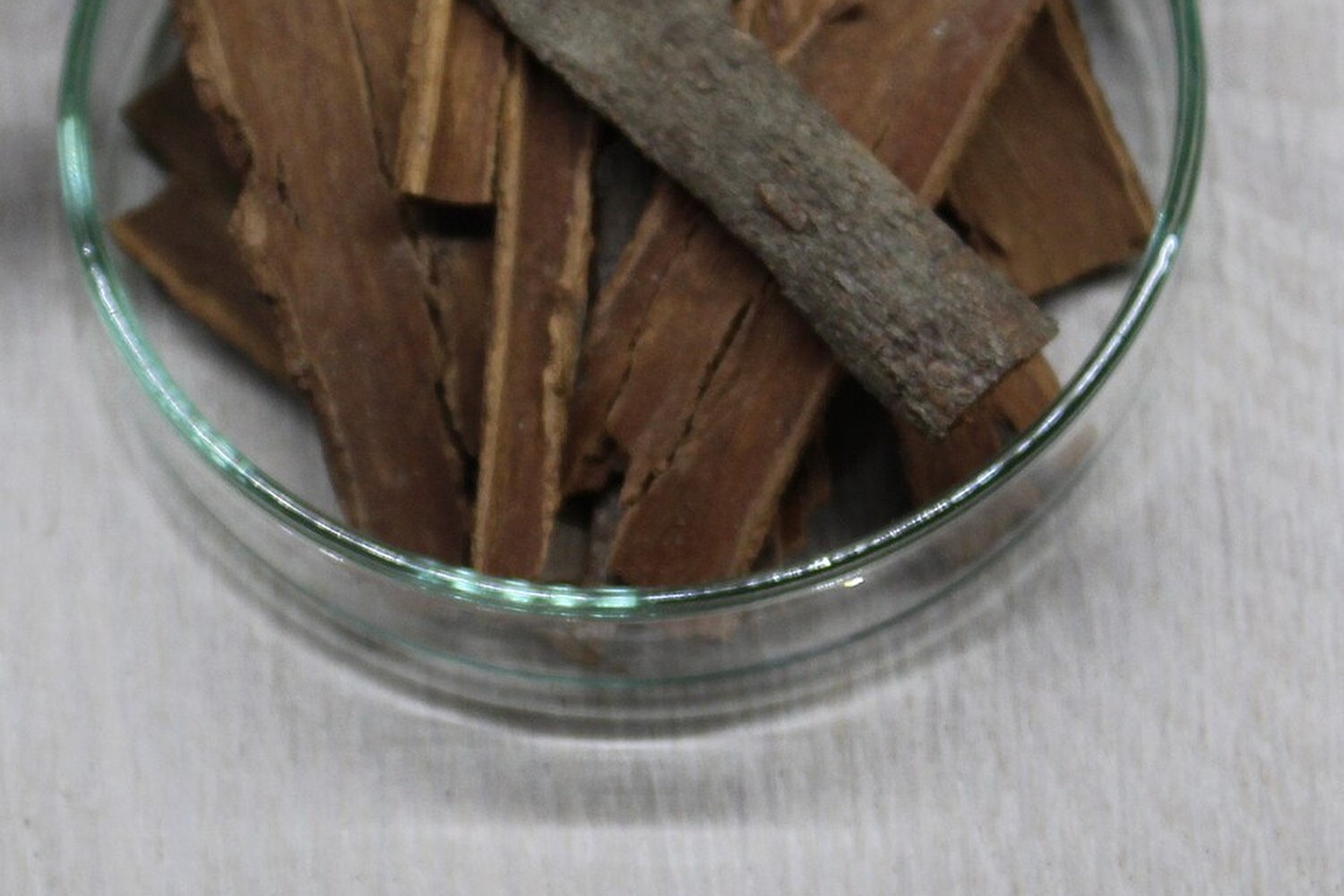
Dried & Powdered
Whole-plant. Small-batch. Potent.
How to take it
1 tsp in hot water, tea, or a smoothie, once daily.
Whole plant, never isolated
Concentrated extracts of the whole botanical — the way the body recognizes it.
Cited to measured biology
Every action we describe traces to the compound and its measured target.
Structure & function
We describe what an herb nourishes — never a claim to treat disease.
Secure checkout
Encrypted payment and human verification on every order.
The Botanical
Cinnamon, in depth
Character
Cinnamon (Cinnamomum cassia) is the inner bark of an evergreen tree of the laurel family, harvested, dried, and quilled into the warm russet spice that has anchored both the kitchen and the apothecary across the trade routes of the world. Cassia is the bolder, more pungent of the two great cinnamons — denser, hotter, and richer in aromatic oil than its lighter cousin Ceylon (C. verum) — and it is the form most prized in the classical East Asian tradition, where it carries the name 肉桂, rou gui. Its character is unambiguous: this is a warming aromatic, a bark that the body reads as heat and movement. Where many botanicals are cooling, drying, or quieting, cinnamon is fundamentally kindling — a spice of circulation, vitality, and digestive fire, grounded and assertive on the tongue.
The defining note of cassia is cinnamaldehyde, the aromatic aldehyde that gives the bark its signature warmth and the bulk of its volatile oil. This is also a herb that demands respect for the difference between forms: GGG works with the dilute hot-water extract and the whole powder — the food and the apothecary preparation — never the concentrated essential oil, which is a wholly different and far harsher material. In its proper form, cinnamon is one of the most universally welcomed members of the apothecary, a single bark that brings energy, stamina, and a quiet steadiness to the table at the same time it perfumes it. A cornerstone, in the truest sense — the spice that belongs in both cupboards at once.
In the Body
Cinnamon is, first and most plainly, a herb of the digestive system. Taken as a warm tea or stirred into food, the aromatic bark engages the gut as a carminative warming spice — supporting comfortable, settled digestion and the body's own capacity to break down and draw nourishment from a meal. This is the oldest and most reliable thing cinnamon does, and it is why it sits as naturally beside food as it does in the apothecary jar: it primes the digestive system to do its work with ease. From there its warmth radiates outward to the circulatory system, where, as a warming aromatic, it supports healthy circulation and the body's sense of being warm, energized, and awake from the core out to the extremities.
Cinnamon's molecular signature is the volatile oil — above all cinnamaldehyde, joined by aromatic compounds such as eugenol and a family of polyphenols and proanthocyanidins concentrated in the bark. These are the carriers of its warmth, and the polyphenols are antioxidant constituents that help the body steward its own metabolic systems — supporting the body's natural capacity to keep energy steady and well-paced rather than spiking and flagging. This is the structural basis for what GGG names plainly: natural energy, stamina, and endurance, with steady digestive comfort alongside. Cassia also carries coumarin, a compound considerably more abundant in cassia than in Ceylon cinnamon — a chemistry that asks for moderation and small, dilute portions rather than concentrated or sustained heavy use, and that is the reason GGG works only with the gentle hot-water extract and powder. Used as intended — a modest measure in hot water, or a trace dilute amount for an animal scaled to its size — cinnamon nourishes the digestive and circulatory systems as warming food, structure and function, the body's own intelligence supported rather than overridden.
The Tradition
Cinnamon is one of the most thoroughly documented spices in the recorded herbal lineage, named in the oldest commercial and medicinal records of the ancient world and prized along the spice routes long before it was understood chemically. In classical East Asian herbalism cassia bark is rou gui (肉桂), a foundational warming aromatic of the materia medica, valued for kindling the body's inner warmth, supporting circulation, and steadying the digestion. The Western herbalists carried it with equal regard: Culpeper and the old English herbals catalogued cinnamon among the great warming, comforting aromatics — a spice for the stomach and for vitality — and it held a steady place in the carminative and stomachic tradition of the apothecary for centuries. Across every culture that traded for it, the recorded use is consistent: cinnamon is the warming bark, the spice that comforts the gut and rouses the body's heat, equally at home as food and as a cornerstone of the apothecary.
The bark
Cinnamon,
as it actually grows.
Cinnamomum cassia — the inner bark of the cinnamon tree, peeled and curled as it dries. Warming and sweet, among the oldest traded spices on earth.
How to Use
Across the Three Kingdoms
One herb, prepared once, serving people, pets, and plants from a single botanical practice — each with its own measure and care.
People
Benefit
natural energy, stamina, and endurance — plus digestive comfort
How to Use
1 tsp in hot water, tea, or a smoothie, once daily.
Pets
Dogs & companion animals
Benefit
Warming aromatic that supports healthy circulation, digestion, and normal glucose/metabolic balance.
How to Use
A small pinch of the dilute extract or powder stirred into food, scaled to body weight (a trace for cats/small birds, more for dogs/horses); not the essential oil.
By Animal
Cats
ASPCA non-toxic; dilute tonic in trace amounts is well-tolerated — but never the eugenol/cinnamaldehyde essential oil (poor feline glucuronidation).
Dogs
ASPCA non-toxic; dilute powder/extract well-tolerated in moderation. Concentrated cinnamon oil and heaped doses are the actual hazard, not a small tonic amount.
Horses
ASPCA non-toxic to horses; palatable warming aromatic well-tolerated in moderate amounts. No iodine/glycyrrhizin concern with cinnamon.
Birds
Trace dietary powder is generally tolerated, but cinnamaldehyde aromatics/aerosolized particles irritate the avian respiratory tract (air-sac physiology) — keep amounts minimal, never diffuse or expose to the oil.
⚑ Sport horses: none — cinnamon (Cinnamomum) is not an FEI/USEF prohibited or controlled substance; standard FEI clean-sport sourcing/contamination diligence still applies.
Safety
This rating is for GGG's DILUTE hot-water extract/powder used in moderation, NOT cinnamon essential oil or bark oil, which is a concentrated cinnamaldehyde/eugenol source that is hepatotoxic and a mucosal/skin irritant across species and should never be given. Cassia cinnamon (C. cassia) is high in coumarin (~1%, vs ~0.004% in Ceylon/C. verum), which at high or sustained doses can stress the liver and has mild anticoagulant activity — so start low, keep portions small, and do not stack with hepatically processed drugs. Avoid or use only under veterinary guidance in animals with liver disease, in those on warfarin/clopidogrel/NSAIDs or other blood thinners, within ~1-2 weeks of surgery (antiplatelet/coumarin bleeding risk), and in pregnancy (avoid concentrated/medicinal doses). Cinnamon may also modestly lower blood glucose, so monitor diabetic animals on insulin/oral hypoglycemics. Cats have reduced glucuronidation and should never receive the essential oil; the dilute tonic in trace amounts is acceptable. Discontinue with any GI upset, oral irritation, or (in birds) respiratory signs.
Source: ASPCA Toxic and Non-Toxic Plants — Cinnamon (Cinnamomum, non-toxic to dogs/cats/horses); peer-reviewed: Evaluation of coumarin content and essential oil constituents in Cinnamomum cassia (J. Spices & Aromatic Crops); avian veterinary guidance on aromatic/essential-oil respiratory sensitivity; FEI/USEF Prohibited Substances Lists (cinnamon not listed).
Plants
Garden, soil & foliage
Benefit
whole-cycle vigor, resilience, and a living root zone
How to Use
Dilute 1/8 to 1/4 teaspoon per gallon of water. Foliar feed at the lighter rate, or soil drench at the fuller rate, about once a month or every other feeding. Used the entire way, through both vegetative growth and bloom.
Best for
Whole cycle — growth & bloomSafety
A dilute extract in the GGG Plants line; always dilute and start light.
Source: GGG Plants line formulation
Structure-and-function guidance for nutrition and vitality. Not intended to diagnose, treat, cure, or prevent any disease. Introduce one botanical at a time and notice how the body responds. Some plants interact with medication; if you are pregnant, nursing, or on a prescription, know the interaction before you begin.
What's inside
Cinnamon,
down to the molecule.
The signature compound of Cinnamon, rendered from its real structure in bronze and glass — the precise thing the plant carries, given the dignity it has earned.
The evidence chain
From the plant to the molecule to the body — traced.
Not a claim — a chain. Every link below traces to a primary record. This is what Cinnamon is, measured.
The plant
Cinnamon
measured to engage
Transient receptor potential cation channel subfamily A member 1 · EC50 6500nM
BindingDB ↗which governs
A sensory channel (TRPA1) that detects cold and pungent irritants — the body's 'wasabi' sensor.
serving the system
Digestive · Liver
and the tradition independently agrees — measured binding
The recorded herbal lineage names Cinnamon a metabolic herb. Independently, its compounds are measured to bind proteins of that system. Tradition and molecule, arrived at separately, converge — the strongest evidence we hold.
Structure and function only. The chain describes the plant’s characterized chemistry and traditional use — not a claim to treat, cure, or prevent any disease.
How it works
How Cinnamon works in the body
A herb is never one thing — it is a community of compounds, each meeting the body in its own way. These are the active molecules in Cinnamon and the proteins each one is measured to engage: the precise points where the plant meets your biology. So you see not just that it works, but how.
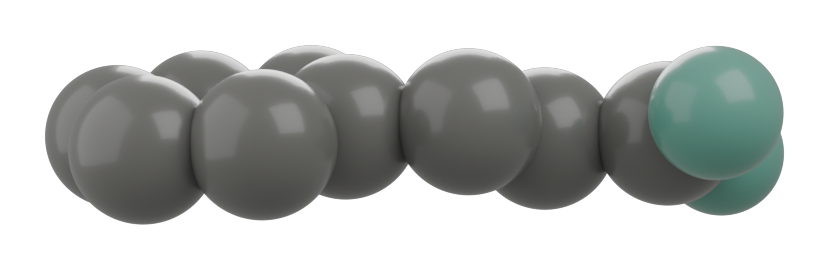
Cinnamaldehyde ((E)-cinnamaldehyde)
PubChem ↗Measured to act on
A sensory channel that detects irritants, cold, and the sharp bite of mustard and garlic.
Concentrated in urinary bladder, stomach 1, intestinestructure resolved ↗
An enzyme that breaks down aldehydes and helps the body produce its own vitamin A signals.
Concentrated in liverstructure resolved ↗
A relay enzyme that carries growth and stress signals from the cell surface to its core.
An enzyme that converts fatty acids into messengers guiding the body's inflammatory response.
Concentrated in lymphoid tissue, lungstructure resolved ↗
Measured in the lab
Real measurements from binding studies. A tighter fit means the compound meets its target more readily — the figure in grey is the actual measured value.
Binds to Transient receptor potential cation channel subfamily A member 1 · EC50 3.4 µM
Binds to Cell division protein FtsZ · IC50 5.81 µM
trans-Cinnamic acid
PubChem ↗Measured to act on
An enzyme involved in cell-growth signaling and the upkeep of chromosome ends.
A receptor that senses niacin and fat-derived molecules to help regulate fat metabolism.
Concentrated in esophagus, skin 1structure resolved ↗
Measured in the lab
Real measurements from binding studies. A tighter fit means the compound meets its target more readily — the figure in grey is the actual measured value.
Binds very tightly to Histone deacetylase · Ki 8.2 nM
Binds tightly to Poly [ADP-ribose] polymerase tankyrase-1/tankyrase-2 · IC50 685 nM
Binds to Hydroxycarboxylic acid receptor 2 · Ki 4.9 µM
Coumarin (cassia marker vs Ceylon cinnamon)
PubChem ↗Measured to act on
An enzyme that balances carbon dioxide and acidity in the blood and tissues.
Concentrated in intestine, bone marrowstructure resolved ↗
A fast enzyme governing fluid balance, acidity, and carbon dioxide handling throughout the body.
Concentrated in stomach 1, choroid plexus, intestinestructure resolved ↗
An enzyme that helps cells manage acidity, active in low-oxygen tissue environments.
Concentrated in stomach 1structure resolved ↗
A membrane enzyme that regulates acid balance at the surface of cells.
Concentrated in kidney, choroid plexus, skin 1structure resolved ↗
Measured in the lab
Real measurements from binding studies. A tighter fit means the compound meets its target more readily — the figure in grey is the actual measured value.
Binds very tightly to Carbonic anhydrase 14 · Ki 48 nM
Binds tightly to Sclerostin · Kd 231 nM
Binds to Carbonic anhydrase 6 · Ki 2 µM
Binds to Carbonic anhydrase 1 · Ki 3.1 µM
Binds to Carbonic anhydrase 7 · Ki 3.3 µM
Binds to Induced myeloid leukemia cell differentiation protein Mcl-1 · Ki 4.06 µM
— and 8 more measured targets, each traced to its source.
Eugenol
PubChem ↗Measured to act on
The receptor through which testosterone and related hormones guide growth and male characteristics.
Concentrated in liverstructure resolved ↗
A major liver enzyme that breaks down and clears a wide range of compounds.
Concentrated in liverstructure resolved ↗
An enzyme making prostaglandins that protect the stomach lining and support normal tissue upkeep.
Concentrated in urinary bladder, skin 1, intestinestructure resolved ↗
A sensory channel that detects cold and the cooling sensation of menthol.
Concentrated in prostate, liverstructure resolved ↗
An enzyme that converts fatty acids into messengers guiding the body's inflammatory response.
Concentrated in lymphoid tissue, lungstructure resolved ↗
Cited science · not claims
Everything we publish about these plants traces to a primary source — the compounds to PubChem, ChEMBL, and BindingDB, the traditional uses to named, dated herbals. We describe what a plant is and what it is understood to nourish — the body’s own systems, structure and function only. We do not claim it treats, cures, or prevents any disease, and nothing here is a substitute for professional care. See our method & sources →
These statements have not been evaluated by the Food and Drug Administration. Not intended to diagnose, treat, cure, or prevent any disease.
Works alongside
Other herbs that share Cinnamon's terrain
Different plants reaching the same systems of the body — the convergence our genome engine maps. These nourish the terrain Cinnamon supports: