root
Siberian Ginseng
Eleutherococcus senticosus
Also known as
Suitable For
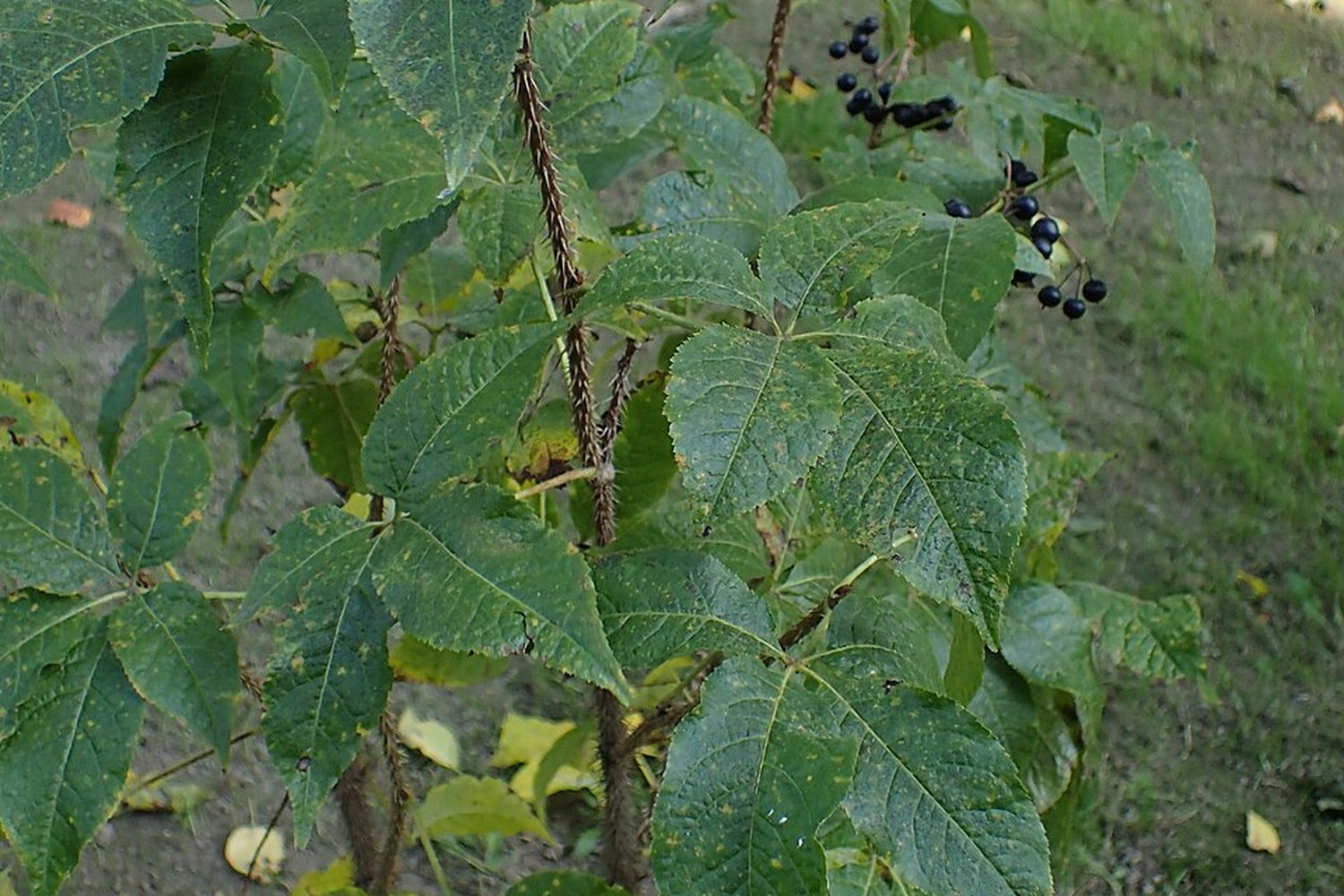
Eleutherococcus senticosus, rich in eleutherosides — the adaptogen Soviet researchers studied in cosmonauts and Olympic athletes for endurance and stress resistance. Supports adrenal function and physical performance.
What it nourishes in the body
The body systems this herb is traditionally understood to support — resolved through our knowledge graph, where the classical record and modern biology are read together. Structure and function, never a claim of treatment.
Where measure and tradition agree
Siberian Ginseng is measured to engage these systems in human binding data — and the recorded tradition named it for them independently. Two evidence systems arriving at the same place, separately, is our highest standard. See the research →
Engages the body’s own cannabinoid system
Siberian Ginseng is measured to engage the endocannabinoid system — the master regulator the body runs on its own cannabinoids. Characterization, not a clinical claim. The endocannabinoid bridge →
10:1 Concentrated Extract
Whole-plant. Small-batch. Potent.
How to take it
1/4 tsp (up to 1 tsp) in hot water, tea, coffee, a smoothie, or food, once daily — begin with light doses; our extracts are very potent.
Whole plant, never isolated
Concentrated extracts of the whole botanical — the way the body recognizes it.
Cited to measured biology
Every action we describe traces to the compound and its measured target.
Structure & function
We describe what an herb nourishes — never a claim to treat disease.
Secure checkout
Encrypted payment and human verification on every order.
The Botanical
Siberian Ginseng, in depth
Character
Siberian Ginseng (Eleutherococcus senticosus) is the root that gave the word "adaptogen" its meaning. Despite its common name it is no true ginseng — it belongs to the same botanical family (Araliaceae) but stands as its own genus, a thorny, hardy shrub native to the taiga of Siberia and the cold forests of Northeastern China, where it endures the harshest winters on the continent. We carry it as a concentrated 10:1 root extract, the part of the plant that holds its character: the woody, bitter, mineral-grounded essence of something that thrives where little else will. This is a survivor's root, and that is precisely its nature — a plant whose entire constitution is built around resilience, stamina, and the capacity to hold steady under load.
In the apothecary's lineage Eleutherococcus occupies the seat of the great tonifying roots: a botanical of endurance and steady energy rather than stimulation. It does not whip the body into a sprint; it deepens the well the body draws from. Twentieth-century researchers in the cold-climate traditions brought it into the modern record, studying it in cosmonauts, athletes, and laborers as the archetype of a plant that supports the body's own capacity to adapt to physical and mental demand — the root around which the very idea of the adaptogen took shape. We honor it as the root that defines the category: grounded, potent, and unshowy, a tonic for those who must perform and recover, season after season.
In the Body
Siberian Ginseng speaks most directly to the body's energy and stress-response architecture — the kidney/adrenal axis of the classical tradition, which maps onto what we now recognize as the body's own systems for regulating energy, alertness, and recovery. As an adaptogenic root, its character is one of toning rather than driving: it nourishes the systems that govern stamina and steady output, supporting the body's natural capacity to meet exertion and return to balance. This is the structure/function heart of an adaptogen — it supports the body's own equilibrium under demand rather than forcing any single lever.
Its established chemistry centers on a signature class of compounds, the eleutherosides — a family of glycosides (including lignan and phenylpropanoid glycosides) that distinguish this root and give it its name. Alongside these the root carries triterpenoid saponins and a complement of polysaccharides, the long-chain sugar molecules that adaptogenic and tonic roots characteristically hold. These compound classes are what the tradition leans on when it places Eleutherococcus among the great endurance tonics: glycosides and saponins associated with stamina, focus, and steady energy, and polysaccharides of the kind that engage and nourish the body's own immune system in its natural function. Together they make this a root that supports physical performance, mental clarity under pressure, and the deep adrenal-energy reserves the body draws on across long, demanding stretches — strength and resilience fed at the level of the body's own systems rather than imposed upon them.
The Tradition
In classical East Asian herbalism the root is known as cì wǔ jiā (刺五加), "thorny five-leaf bark," a warming, tonifying root long valued for invigorating vital energy, strengthening the kidney/adrenal foundation, and steadying the body of those facing fatigue and exertion. Its modern lineage was written in the cold-climate research traditions of the twentieth century, where it was studied as the original adaptogen — given to cosmonauts, athletes, soldiers, and shift laborers as a tonic for endurance, recovery, and steadiness under physical and mental demand. It is this convergence — the old taiga and Northeast-Asian folk use of a hardy survivor's root, joined to the body of work from which the adaptogen concept first emerged — that gives Eleutherococcus its place as the root from which the entire modern understanding of adaptogenic plants descends.
How to Use
Across the Three Kingdoms
One herb, prepared once, serving people, pets, and plants from a single botanical practice — each with its own measure and care.
People
Benefit
natural energy, stamina, and endurance
How to Use
1/4 tsp (up to 1 tsp) in hot water, tea, coffee, a smoothie, or food, once daily — begin with light doses; our extracts are very potent.
Pets
Dogs & companion animals
Benefit
Adaptogenic tonic root that supports stamina, stress resilience, and steady energy.
How to Use
Offer a small amount of the dilute water-extract or powder stirred into food, scaled to body weight (a pinch for cats/small birds, more for dogs/horses); start low and use intermittently rather than continuously.
By Animal
Cats
EFSA FEEDAP: safe for cats up to ~489 mg/kg feed; not an essential oil/phenol, so the feline glucuronidation concern doesn't apply.
Dogs
EFSA FEEDAP: safe for dogs up to ~461 mg/kg feed; no documented canine toxicity; well-tolerated tonic root.
Horses
EFSA FEEDAP: safe for horses up to ~141 mg/kg feed; low coumarin, no tissue accumulation. See competition note for sport horses.
Birds
Well tolerated as a dilute, body-weight-scaled tonic; introduce gradually, starting with a small amount.
⚑ Sport horses: FLAGGED for FEI/USEF sport horses: eleuthero is a documented adaptogen/performance enhancer (eleutheroside glycosides affecting stamina, glucose, and CNS) and falls under FEI Equine Prohibited Substances / USEF banned-and-controlled categories. Do not administer to competing horses within withdrawal windows; treat as prohibited for in-competition use.
Safety
For a healthy animal in moderate use this dilute root extract is well-tolerated across species (EFSA FEEDAP assessed taiga-root/eleuthero tincture as SAFE for dogs, cats, and horses at feed levels up to ~460, ~489, and ~141 mg/kg complete feed respectively; ASPCA does not list it as toxic). For pregnant, nursing, or medicated animals, use only under veterinary direction. It can interact with drugs — it may potentiate antidiabetic/insulin (hypoglycemia), affect blood pressure and cardiac glycoside (digoxin) levels, and is metabolized via CYP pathways, so use caution alongside any maintenance medication. Avoid or veterinary-supervise in animals with uncontrolled hypertension, cardiac disease, hormone-sensitive conditions, or significant kidney/liver disease, and discontinue ~1-2 weeks before surgery due to theoretical glucose/blood-pressure effects. The concentrated raw tincture is a skin/eye/respiratory irritant per EFSA occupational notes — that is a handling concern for the undiluted product, not the dilute in-food dose. Any product is for healthy maintenance only; sick or medicated animals should be cleared by a vet first.
Source: EFSA FEEDAP Panel, "Safety and efficacy of taiga root tincture (Eleutherococcus senticosus) for dogs, cats and horses" (EFSA Journal 2023; PMC9972550 / PubMed 36866192); ASPCA Toxic and Non-Toxic Plant List (no Eleutherococcus senticosus toxicity listing); VCA Animal Hospitals "Ginseng" monograph; Memorial Sloan Kettering & Restorative Medicine eleuthero monographs (adaptogen/performance-enhancer profile); FEI Equine Prohibited Substances List / USEF Equine Drugs & Medications Rules.
Plants
Garden, soil & foliage
Benefit
vegetative vigor, strong rooting, and resilient new growth
How to Use
Dilute 1/8 to 1/4 teaspoon per gallon of water. Foliar feed at the lighter rate, or soil drench at the fuller rate, about once a month or every other feeding. Best worked in through vegetative growth, as the plant builds leaf, stem, and root.
Best for
Vegetative growthSafety
A dilute extract in the GGG Plants line; always dilute and start light.
Source: GGG Plants line formulation
Structure-and-function guidance for nutrition and vitality. Not intended to diagnose, treat, cure, or prevent any disease. Introduce one botanical at a time and notice how the body responds. Some plants interact with medication; if you are pregnant, nursing, or on a prescription, know the interaction before you begin.
What's inside
Siberian Ginseng,
down to the molecule.
The signature compound of Siberian Ginseng, rendered from its real structure in bronze and glass — the precise thing the plant carries, given the dignity it has earned.
The evidence chain
From the plant to the molecule to the body — traced.
Not a claim — a chain. Every link below traces to a primary record. This is what Siberian Ginseng is, measured.
The plant
Siberian Ginseng
which governs
An enzyme involved in processing fats, retinoids, and reactive byproducts in cells.
serving the system
Digestive · Liver
and the tradition independently agrees — measured binding
The recorded herbal lineage names Siberian Ginseng a immune and metabolic and nervous herb. Independently, its compounds are measured to bind proteins of those systems. Tradition and molecule, arrived at separately, converge — the strongest evidence we hold.
Structure and function only. The chain describes the plant’s characterized chemistry and traditional use — not a claim to treat, cure, or prevent any disease.
How it works
How Siberian Ginseng works in the body
A herb is never one thing — it is a community of compounds, each meeting the body in its own way. These are the active molecules in Siberian Ginseng and the proteins each one is measured to engage: the precise points where the plant meets your biology. So you see not just that it works, but how.
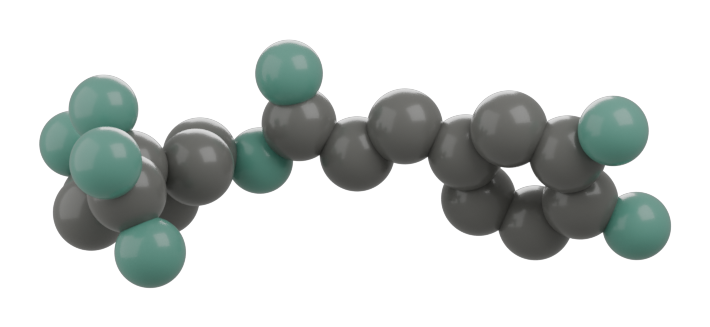
Syringin (Eleutheroside B)
PubChem ↗Measured to act on
An enzyme that makes prostaglandins, messengers that protect the stomach lining and aid clotting.
Concentrated in urinary bladder, skin 1, intestinestructure resolved ↗
An enzyme that breaks down fatty-acid signals involved in blood vessel tone and inflammation.
Concentrated in liverstructure resolved ↗
Syringaresinol (aglycone of eleutheroside E)
PubChem ↗Measured to act on
A receptor that senses fats and helps regulate how cells burn energy.
A receptor that senses fats and helps regulate how cells burn energy.
A master switch protein that governs cellular stress resistance and longevity programs.
An enzyme that relaxes tension in DNA so it can be copied and read.
An enzyme that helps regulate insulin and leptin signaling inside cells.
Sesamin
PubChem ↗Measured to act on
A liver enzyme that processes and clears many compounds from the body.
Concentrated in liverstructure resolved ↗
A liver enzyme that metabolizes caffeine and many other compounds.
Concentrated in liverstructure resolved ↗
The sensory channel that detects cold and the cooling feel of menthol.
Concentrated in prostate, liverstructure resolved ↗
The receptor through which vitamin D guides calcium balance and gene activity.
Concentrated in parathyroid glandstructure resolved ↗
An enzyme that maintains the cell's antioxidant defenses and redox balance.
Chlorogenic acid
PubChem ↗Measured to act on
An enzyme that helps regulate insulin and leptin signaling inside cells.
A viral enzyme that splices the virus's genetic code into a host cell's DNA.
The enzyme that converts glucose into sorbitol, the first step in sugar metabolism.
Concentrated in adrenal glandstructure resolved ↗
An enzyme that reduces sugars and reactive aldehydes as part of cellular detoxification.
Concentrated in intestine, stomach 1, esophagusstructure resolved ↗
The enzyme that drives the body's inflammatory response.
Concentrated in urinary bladder, seminal vesicle, bone marrowstructure resolved ↗
A membrane protein involved in nerve cell growth and signaling.
The enzyme that breaks down acetylcholine, a key messenger for nerves and muscles.
Concentrated in skeletal muscle, brain, tonguestructure resolved ↗
Measured in the lab
Real measurements from binding studies. A tighter fit means the compound meets its target more readily — the figure in grey is the actual measured value.
Binds very tightly to Tyrosine-protein phosphatase non-receptor type 1 · IC50 100 nM
Binds tightly to Histone deacetylase · Ki 135 nM
Binds tightly to Aldo-keto reductase family 1 member B1 · IC50 300 nM
Binds to Aldo-keto reductase family 1 member B10 · IC50 7.9 µM
Cited science · not claims
Everything we publish about these plants traces to a primary source — the compounds to PubChem, ChEMBL, and BindingDB, the traditional uses to named, dated herbals. We describe what a plant is and what it is understood to nourish — the body’s own systems, structure and function only. We do not claim it treats, cures, or prevents any disease, and nothing here is a substitute for professional care. See our method & sources →
These statements have not been evaluated by the Food and Drug Administration. Not intended to diagnose, treat, cure, or prevent any disease.
Works alongside
Other herbs that share Siberian Ginseng's terrain
Different plants reaching the same systems of the body — the convergence our genome engine maps. These nourish the terrain Siberian Ginseng supports: