
For Plants
Leaf Protect
An aromatic foliar feed — clean, resilient surfaces from first growth through harvest.
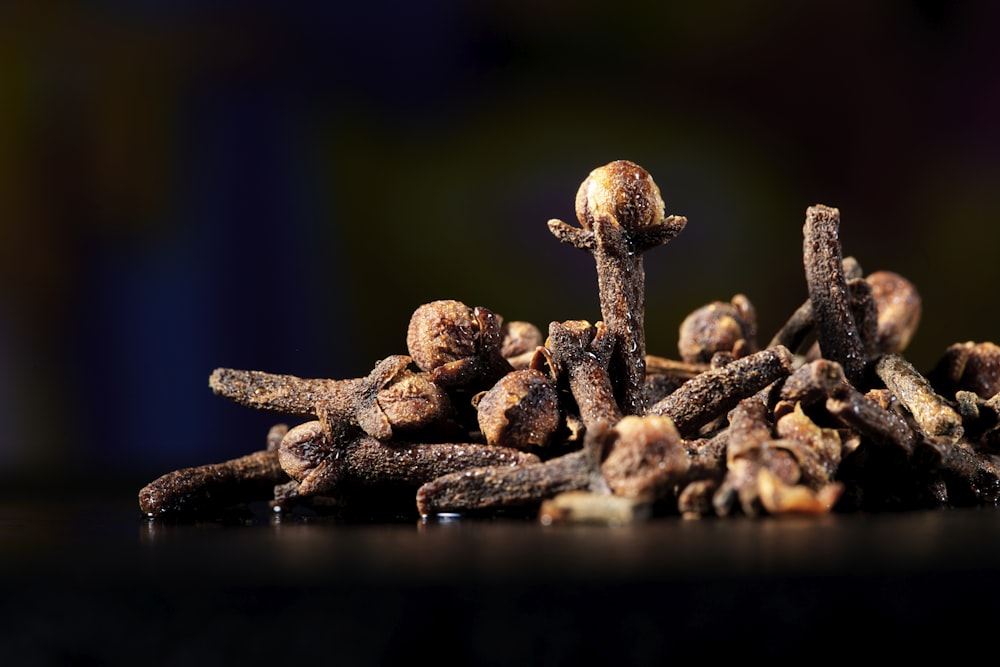
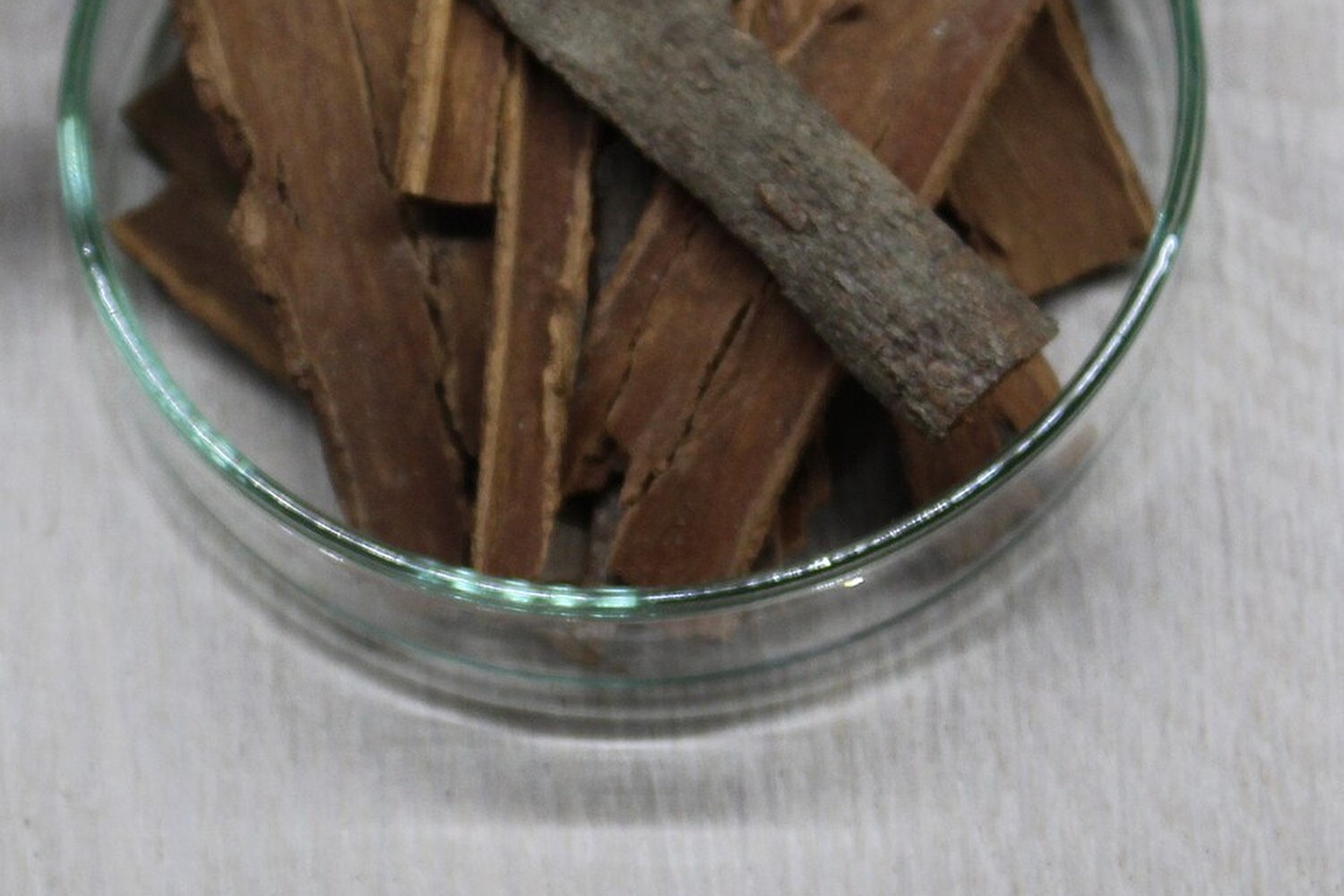
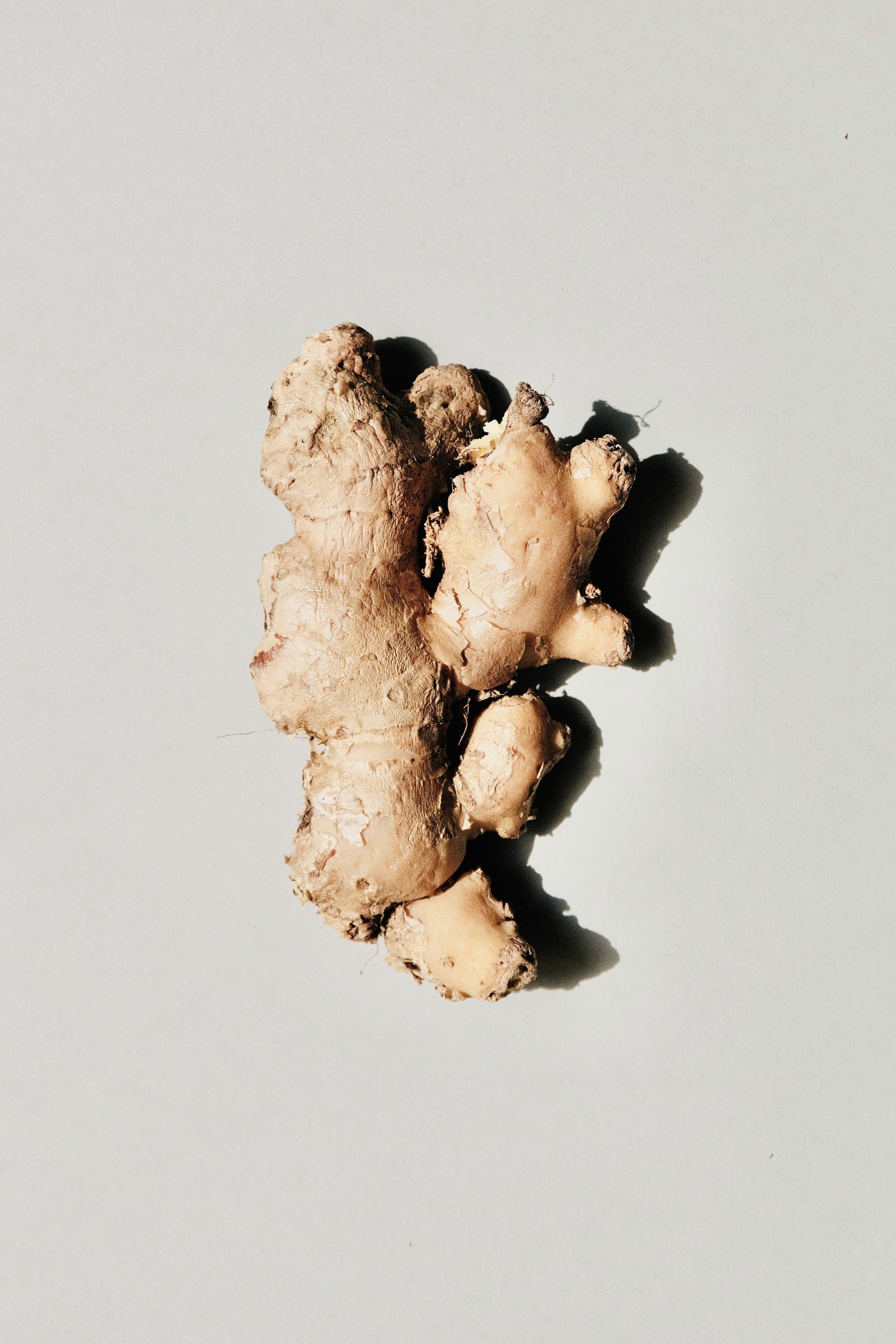
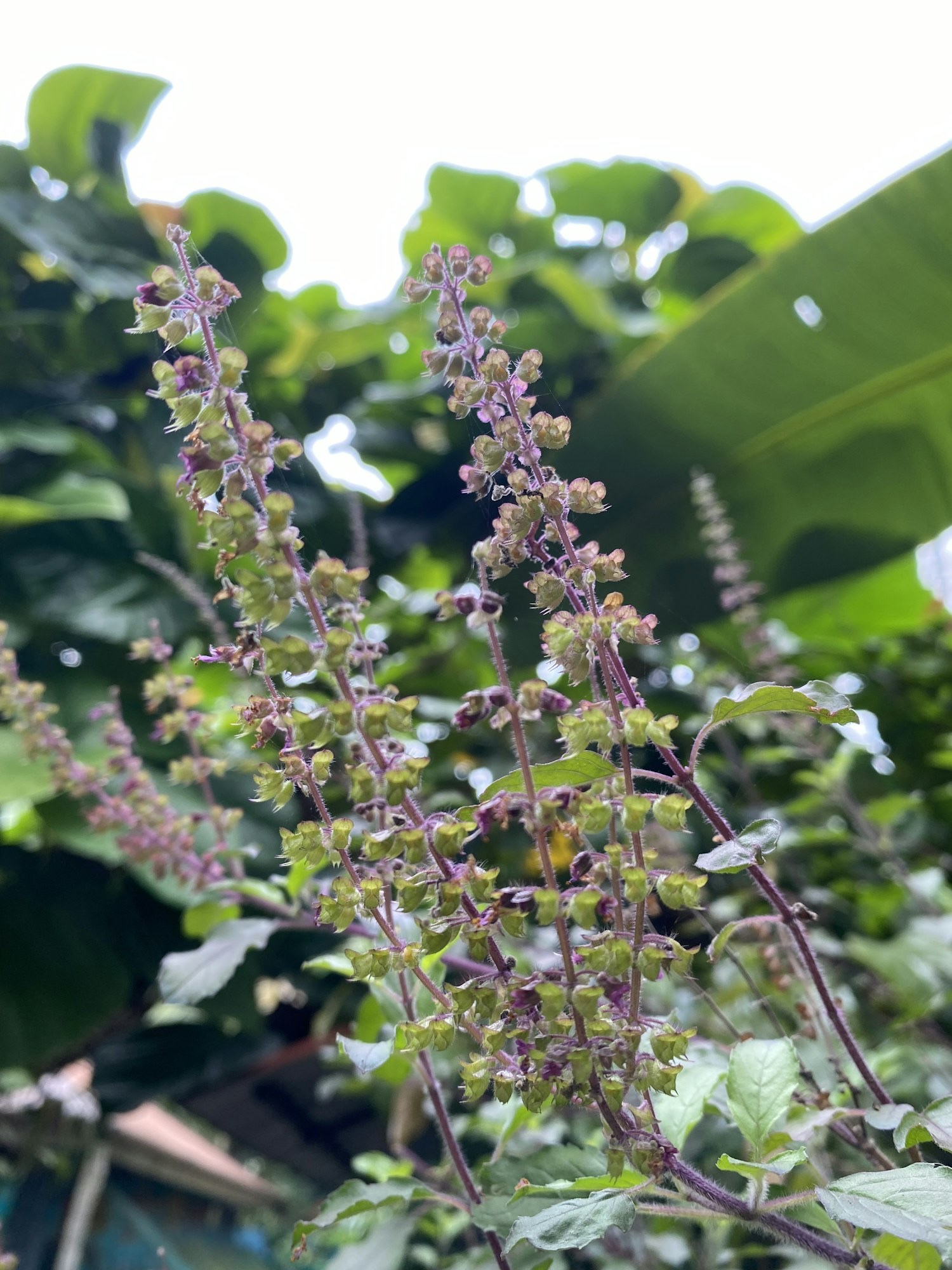
Aegis is an aromatic conditioner for the living plant — a dilute foliar mist and soil drench that lays a thin, aromatic film of clove, cinnamon, ginger, and tulsi across leaf and stem. Where the bare leaf surface is an open invitation, Aegis makes it a guarded one: fragrant, coated, and a clean, well-conditioned surface that lets the plant put its energy into growth.
Use it to keep the canopy clean as a season builds. A leaf that stays free of grazing damage and surface colonization keeps every pore open for breathing and light-gathering, so the plant spends its energy on growth and fruit rather than on defending and repairing itself. This is the difference between a crop that coasts through humid weeks and one that limps.
Aegis works on the surface, not the soil chemistry — it is companionship in a bottle, the old practice of interplanting aromatic herbs among a crop, concentrated into a feed you can apply on a schedule. It belongs to growers who would rather build standing resilience into the canopy than wait for a problem and react to it.
One ounce makes many gallons. Light enough for routine foliar feeding, full enough as a drench when a planting needs more cover heading into a vulnerable stretch.
The botanical chemistry inside
The characterized plant compounds in this blend, documented in phytochemical research. Offered as botanical nutrition for the plant's own vigor and resilience — chemistry and tradition, nothing beyond the plant's own conditioning.
For Plants
Small-batch. Dual-extracted where it matters. Made by hand.
How to apply
Foliar feed at the lighter rate, or soil drench at the fuller rate, about once a month or every other feeding.
Raw powders are for soil drenching only — they do not fully dissolve, so they are not suitable for foliar spraying.
For growers — gardens, beds, greenhouse, and containers alike — who want to build resilience into the canopy on a schedule rather than react after surface pests or fungus appear. Ideal heading into humid weeks, crowded plantings, or any stretch where an unguarded leaf surface is the first thing to suffer.
Whole plant, never isolated
Concentrated extracts of the whole botanical — the way the body recognizes it.
Cited to measured biology
Every action we describe traces to the compound and its measured target.
Structure & function
We describe what an herb nourishes — never a claim to treat disease.
Secure checkout
Encrypted payment and human verification on every order.
- Free shipping over $150USPS Priority, tracked. $15 standard; ships in 1–3 business days.
- 30-day returnsIn original packaging and resalable condition. Refunded to your original payment method.
What you get
What this formula gives you
Keeps the canopy clean and well-conditioned, so leaves stay whole and fully working
Builds surface resilience and a conditioned leaf coat as the season builds
A multi-aromatic coat — eugenol, cinnamaldehyde, and gingerols together — rather than a single-note spray
Pairs naturally with companion-planting practice, concentrated into a feed you can schedule
Works on the surface only — no change to soil chemistry, no systemic load on the plant
One ounce dilutes into many gallons for routine, season-long coverage
How it works
The science of Leaf Protect
Not buzzwords — the actual chemistry of the plants in this formula: their characterized compounds and the proteins those compounds are measured to engage, every one cited.
Every plant on earth defends its own leaves with aromatic oils — that is what these herbs are made of, and Aegis simply lends a crop a denser coat of the same chemistry. Clove and tulsi are rich in eugenol; cinnamon carries cinnamaldehyde; ginger contributes gingerols. These are the volatile compounds the source plants evolved to keep their own surfaces clear, and they read on a treated leaf as a fragrant, occupied territory rather than open ground.
The mechanism is contact and coverage. Cinnamaldehyde is a recognized activator of the TRPA1 channel — the same irritant-sensing pathway that makes cinnamon and clove pungent to insects and animals on contact — which is why an aromatic film gives the leaf a fragrant, conditioned coat. Eugenol and the gingerols round out a multi-compound surface layer; a coating built from several convergent aromatics is harder for any single organism to settle into than a single-note spray.
This is structure-and-function support for the plant surface, not a soil amendment and not a systemic feed. Aegis conditions the canopy you can see and touch: it coats, it conditions the surface by aroma and contact, and it keeps the working surface of the leaf clean so the plant's own vigor carries the season. The tradition behind it — aromatic herbs planted among the crop to keep it clean — is the oldest field practice there is, here measured down to the compounds doing the work.
The molecules, measured
A formula is a community of compounds. Below are active molecules from the herbs in this blend and the proteins each is measured to engage — the precise points where the plants meet biology. So you see not just that it works, but how.
Syzygium aromaticum
Eugenol
PubChem ↗Measured to act on
The enzyme that drives the body's inflammatory response.
An enzyme making prostaglandins that protect the stomach lining and support everyday tissue function.
An enzyme that turns fatty acids into signaling molecules involved in inflammation.
beta-Caryophyllene
PubChem ↗Measured to act on
A receptor of the endocannabinoid system, concentrated in immune tissue.
Cinnamomum cassia
Cinnamaldehyde ((E)-cinnamaldehyde)
PubChem ↗Measured in the lab: binds to Transient receptor potential cation channel subfamily A member 1 · EC50 3.4 µM
Measured to act on
A sensory channel that detects irritants, cold, and the sharp bite of mustard and garlic.
An enzyme that breaks down aldehydes and helps the body produce its own vitamin A signals.
A relay enzyme that carries growth and stress signals from the cell surface to its core.
trans-Cinnamic acid
PubChem ↗Measured in the lab: binds very tightly to Histone deacetylase · Ki 8.2 nM
Measured to act on
An enzyme involved in cell-growth signaling and the upkeep of chromosome ends.
A receptor that senses niacin and fat-derived molecules to help regulate fat metabolism.
Zingiber officinale
6-Gingerol
PubChem ↗Measured in the lab: binds to Transient receptor potential cation channel subfamily V member 1 · EC50 3.3 µM
Measured to act on
A major liver enzyme that processes a wide range of compounds the body takes in.
A repair enzyme that resolves certain DNA damage so the strand can be restored.
A liver enzyme that helps break down and process many compounds and natural substances.
6-Shogaol
PubChem ↗Measured in the lab: binds to Cytochrome P450 1A2 · IC50 2.5 µM
Measured to act on
A major liver enzyme that processes a wide range of compounds the body takes in.
A liver enzyme that processes many compounds, including some the body forms naturally.
A nerve-ending sensor that responds to heat and to the pungency of chili pepper compounds.
Ocimum sanctum
apigenin
PubChem ↗Measured in the lab: binds very tightly to Acetylcholinesterase · IC50 12 nM
Measured to act on
A liver-family enzyme that processes hormones and foreign compounds the body needs to clear.
A carrier protein that ferries thyroid hormone and vitamin A through the bloodstream.
A detoxifying enzyme that breaks down environmental compounds the body absorbs.
luteolin
PubChem ↗Measured in the lab: binds very tightly to Tyrosinase · IC50 0.613 nM
Measured to act on
A liver-family enzyme that processes hormones and foreign compounds the body needs to clear.
An enzyme immune cells use to remodel and break down connective tissue.
A receptor on blood-forming cells that signals them to grow and divide.
Cited science · not claims
Everything we publish about these plants traces to a primary source — the compounds to PubChem, ChEMBL, and BindingDB, the traditional uses to named, dated herbals. We describe what a plant is and what it is understood to nourish — the body’s own systems, structure and function only. We do not claim it treats, cures, or prevents any disease, and nothing here is a substitute for professional care. See our method & sources →
These statements have not been evaluated by the Food and Drug Administration. Not intended to diagnose, treat, cure, or prevent any disease.
Why these herbs together
The shared mechanism
More than one botanical in this blend is measured to engage the same molecular targets. We share the convergent chemistry — characterized and cited, never a claim.
Clove · Cinnamon · Ginger · Tulsi (Holy Basil)
Clove · Cinnamon · Ginger · Tulsi (Holy Basil)
Clove · Ginger · Tulsi (Holy Basil)
Clove · Cinnamon · Ginger
Cinnamon · Ginger · Tulsi (Holy Basil)
Clove · Ginger · Tulsi (Holy Basil)
Each convergence is a gene whose protein two or more of this formula’s herbs are measured to engage (PubChem BioAssay & ChEMBL). It describes characterized molecular activity and the protein’s normal role — structure and function only, never a claim to treat, cure, or prevent any disease.
In practice
Who it’s for, and how to use it
Who it’s for
For growers — gardens, beds, greenhouse, and containers alike — who want to build resilience into the canopy on a schedule rather than react after surface pests or fungus appear. Ideal heading into humid weeks, crowded plantings, or any stretch where an unguarded leaf surface is the first thing to suffer.
How to use it
Dilute 1/8 to 1/4 teaspoon per gallon of water. Foliar feed at the lighter rate, misting leaf tops and undersides until lightly coated, or soil drench at the fuller rate — about once a month or every other feeding. Apply in the cool of early morning or evening, not in harsh midday sun. Shake well before measuring. One ounce (12 g) goes a long way.
Measure · Dilute 1/8 to 1/4 teaspoon per gallon of water. Foliar feed at the lighter rate, or soil drench at the fuller rate, about once a month or every other feeding.
What’s inside
Aegis is a circle of aromatic plants — clove, cinnamon, ginger, and tulsi, the same fragrant herbs gardeners have tucked among their crops for centuries to keep them clean. We simply concentrated that old companionship into a feed you can mist on a schedule. Treat your plants as the living things they are, give the canopy its coat before the season tests it, and let their own vigor do the rest.
For agricultural and horticultural use. Supports plant growth, vigor, and resilience — not a claim of any effect on human or animal health.
Pairs well with
Formulas that share Leaf Protect's botanicals
Built from overlapping herbs, these reinforce Leaf Protect along the same lines — the shared-botanical kinship our genome engine maps.