
For People
Build
Drive and output for the hard block — the roots that push the body to express its full power.
Build is for the stretch of training where you are asking the body to become something it is not yet. Not a single session but a block — weeks of accumulating load, where the work is heavy on purpose and the adaptation happens underneath. This is the formula for that stretch. It is composed for output: the capacity to produce force, to keep producing it across a long session, and to keep showing up to do it again tomorrow while the body is still rebuilding from yesterday.
It is a tonic, not a trigger. There is no stimulant here, nothing that borrows energy from the back half of your day. What it supports instead is the deep constitutional reserve that heavy training draws down — the yang current in the old language, the kidney-adrenal foundation in the organ mapping we use. That reserve is the difference between a block that builds you and a block that grinds you flat. When it is well supplied, hard weeks feel demanding. When it is empty, they feel like injury waiting to happen.
Take it on the days you are putting real load through the body, in the morning, before the work. The felt experience is not a surge; it is a floor. Power that is there when you reach for it, and a body that comes back to the next session with something still in the tank.
What it supports in the body
The body systems the herbs in this formula are traditionally understood to nourish — resolved through our knowledge graph, where the classical record and modern biology are read together. Structure and function, never a claim of treatment.
Where measure & tradition agree
Systems this blend’s herbs are measured to engage in human binding data — and traditionally named for, independently. The number is how many herbs in the blend converge there. Two evidence systems arriving at the same place, separately, is our highest standard. See the research →
For People
Small-batch. Dual-extracted where it matters. Made by hand.
How to take it
1/4 tsp (up to 1 tsp) of extract powder in hot water, tea, coffee, a smoothie, or food, once daily. Begin with light doses — our extracts are very potent.
Whole plant, never isolated
Concentrated extracts of the whole botanical — the way the body recognizes it.
Cited to measured biology
Every action we describe traces to the compound and its measured target.
Structure & function
We describe what an herb nourishes — never a claim to treat disease.
Secure checkout
Encrypted payment and human verification on every order.
- Free shipping over $150USPS Priority, tracked. $15 standard; ships in 1–3 business days.
- 30-day returnsIn original packaging and resalable condition. Refunded to your original payment method.
What you get
What this formula gives you
Supports the body's capacity for force production and sustained output under heavy load
Nourishes the deep constitutional reserve that a long training block draws down
Supports the connective-tissue remodeling that accompanies real adaptation
A tonic foundation, never a stimulant — no borrowed energy, no crash
How it works
The science of Build
Not buzzwords — the actual biology of the plants in this formula: their compounds, the targets those compounds are measured to engage, and the systems they nourish.
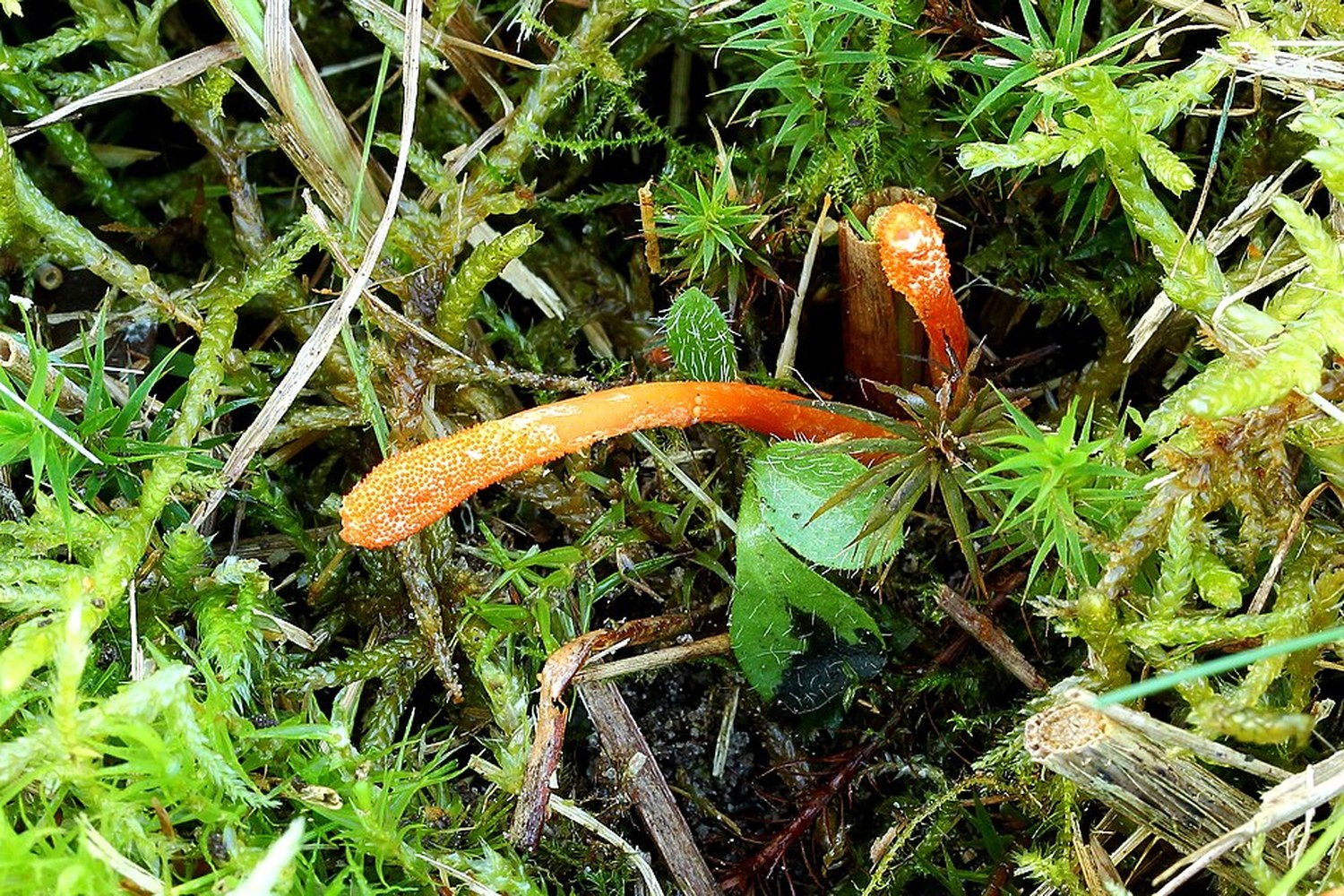
The engine of this blend is Cordyceps militaris, and its logic is the logic of cellular energy itself. Its signature molecules — cordycepin (3'-deoxyadenosine), pentostatin and free adenosine — are structural cousins of the body's own ATP and adenosine signaling. Adenosine is the molecule tissue uses to report its own energy state and to govern blood flow and oxygen demand. A plant whose chemistry speaks that language natively is the reason Cordyceps has been favored for stamina and output for as long as it has been collected.
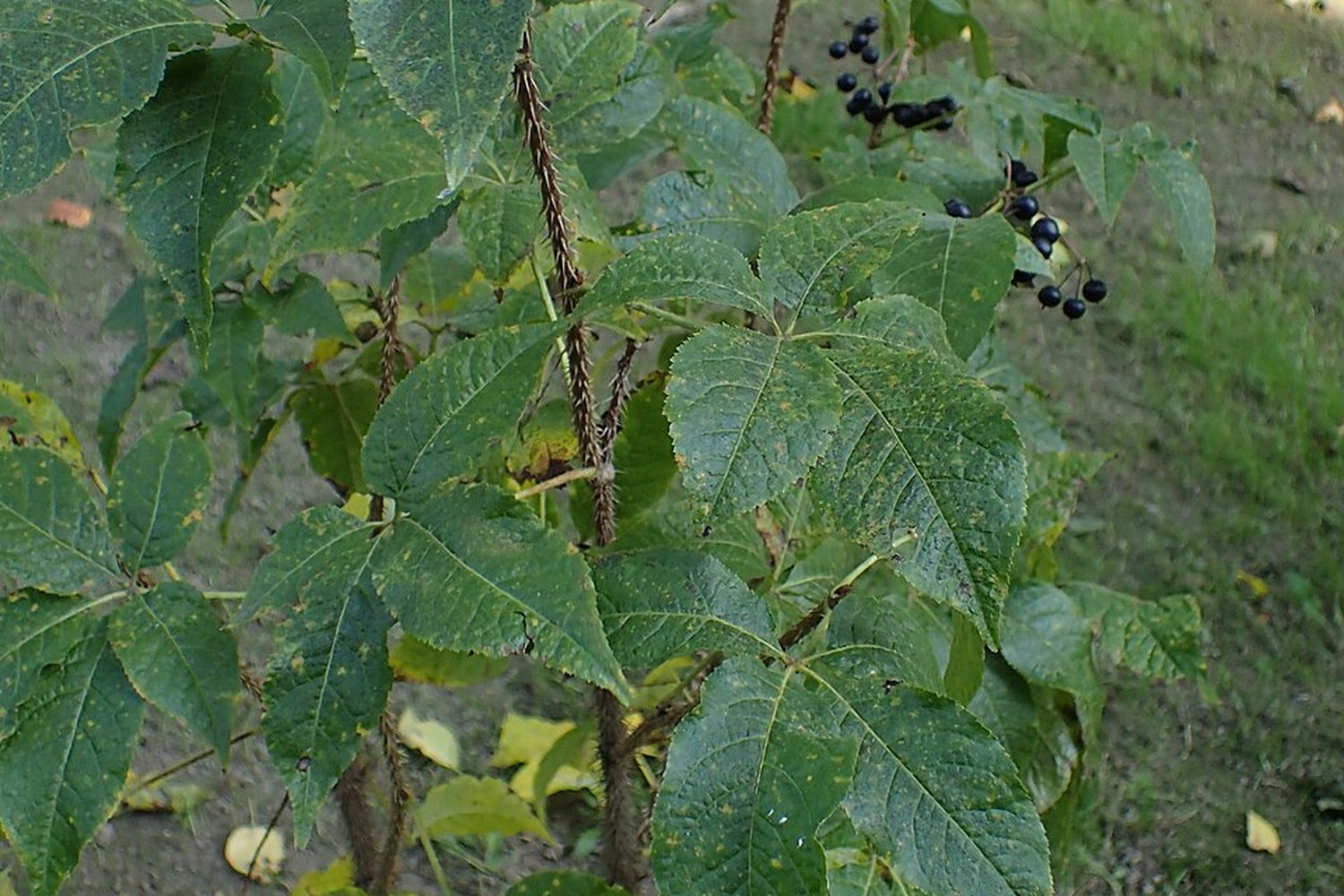
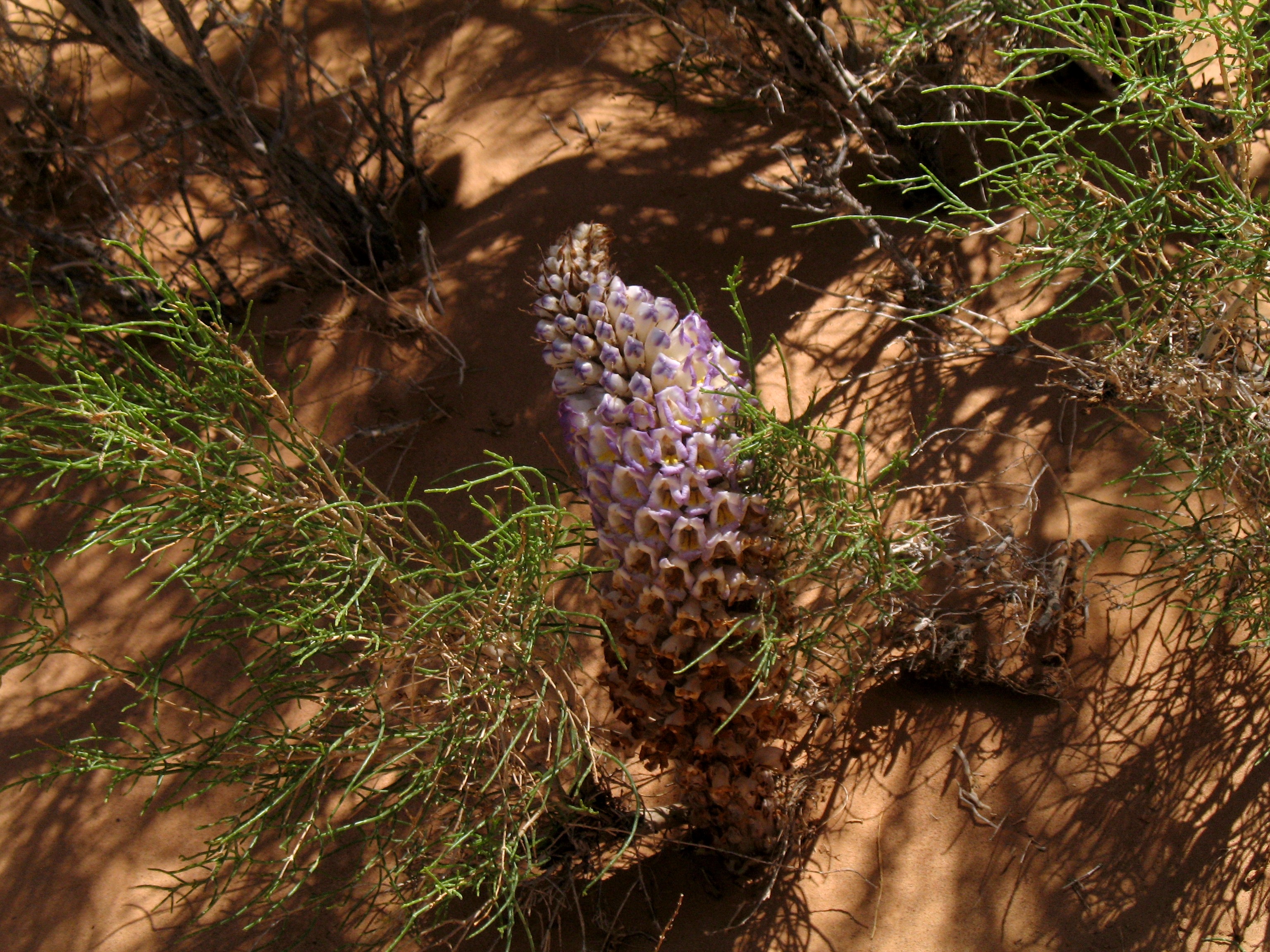
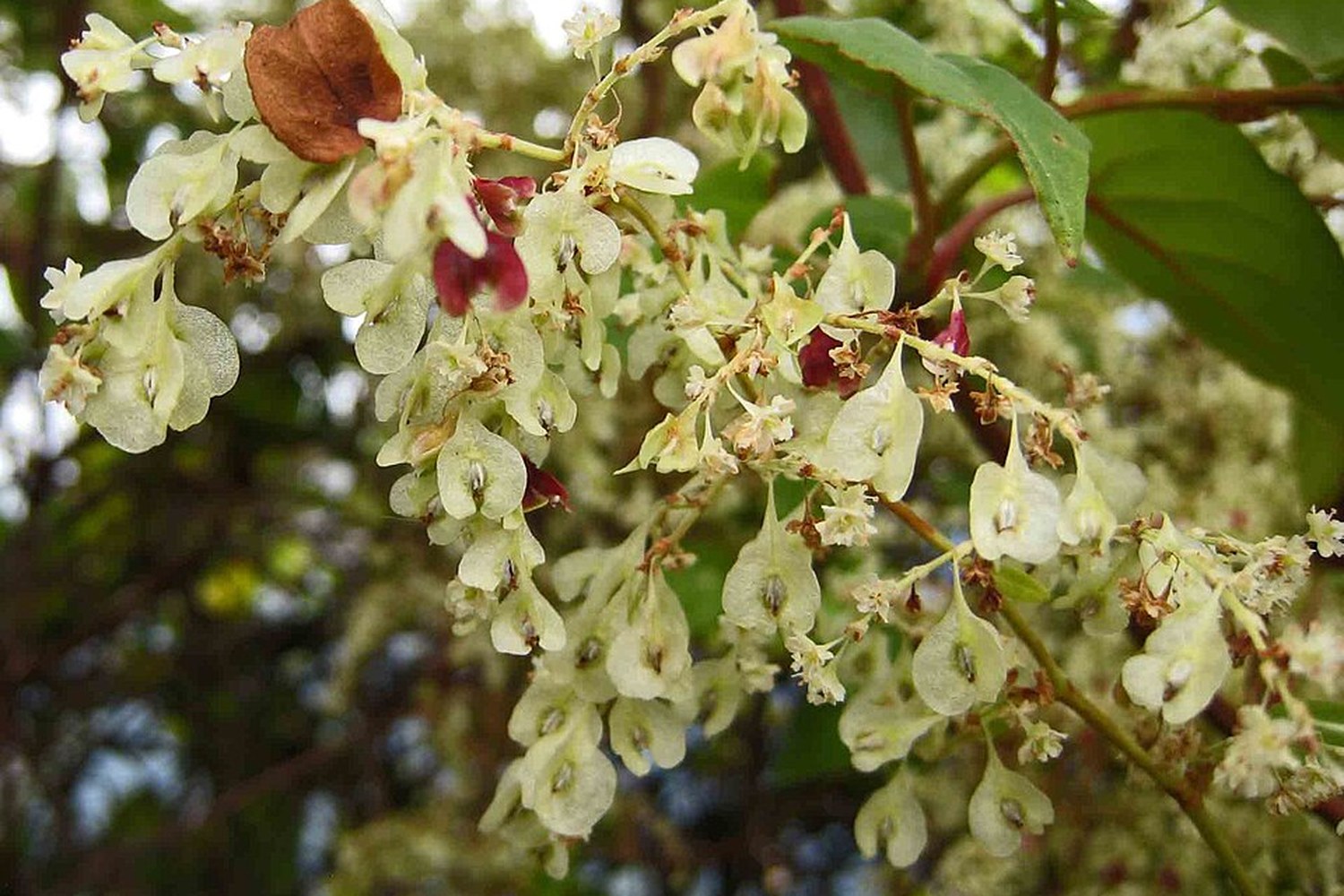
Around it sit four roots that the body reads as foundation rather than fuel. Eleutherococcus senticosus — the root that gave the word adaptogen its meaning — carries eleutherosides B and E and syringin. Cistanche deserticola brings echinacoside and acteoside, the phenylethanoid glycosides that make it the desert yang tonic. Polygonum multiflorum contributes its signature stilbene glycoside, THSG, the classic tonic for deep reserves. And Rehmannia glutinosa adds catalpol and aucubin, the iridoids of the great blood-and-marrow builder. In our molecular data these five converge on nine shared targets, most of them the matrix metalloproteinases — MMP2, MMP3, MMP9, MMP12, MMP13 — the enzyme family that remodels connective tissue, which is precisely the tissue a heavy block is rebuilding, alongside the prostaglandin synthases PTGS1 and PTGS2 that govern the inflammatory balance that remodeling runs through.
The molecules, measured
A formula is a community of compounds. Below are active molecules from the herbs in this blend and the proteins each is measured to engage — the precise points where the plants meet biology. So you see not just that it works, but how.
Cordyceps militaris
Cordycepin (3'-deoxyadenosine)
PubChem ↗Measured in the lab: binds to Adenosine receptor A1 · Ki 7.12 µM
Measured to act on
A receptor for adenosine that helps calm cellular activity and signaling.
A repair enzyme that clears certain damage points so DNA can be mended.
Pentostatin (2'-deoxycoformycin)
PubChem ↗Measured in the lab: binds very tightly to Adenosine deaminase · Ki 1 nM
Measured to act on
An enzyme that breaks down adenosine, part of how cells recycle their building blocks.
Eleutherococcus senticosus
Eleutheroside B (Syringin)
PubChem ↗Measured to act on
An enzyme that makes prostaglandins, messengers that protect the stomach lining and aid clotting.
An enzyme that breaks down fatty-acid signals involved in blood vessel tone and inflammation.
Sesamin
PubChem ↗Measured to act on
The sensory channel that detects cold and the cooling feel of menthol.
The receptor through which vitamin D guides calcium balance and gene activity.
A signaling enzyme that helps coordinate cell division.
Cistanche deserticola
Echinacoside
PubChem ↗Measured to act on
The enzyme that makes melanin, the pigment that gives skin and hair their color.
Acteoside / Verbascoside
PubChem ↗Measured to act on
An enzyme in brain cells that cuts certain membrane proteins as part of normal cellular processing.
An enzyme that processes the amino acid arginine, governing nitrogen handling within cells.
A signaling enzyme that relays messages inside cells, influencing growth and communication.
Polygonum multiflorum
Emodin
PubChem ↗Measured in the lab: binds tightly to Proteasome subunit beta type-1 · IC50 240 nM
Measured to act on
A constantly active signaling enzyme involved in cell growth and stress responses.
A regulatory enzyme that removes phosphate tags involved in cell signaling and movement.
An enzyme that converts glucose into sorbitol as part of cellular sugar handling.
Physcion (Parietin)
PubChem ↗Measured in the lab: binds to Neutrophil elastase · IC50 6.2 µM
Measured to act on
An enzyme released by immune cells that helps break down debris during the inflammatory response.
An enzyme that helps keep cells in antioxidant balance against oxidative stress.
An antioxidant enzyme that protects the cell's energy factories from oxidative stress.
Rehmannia glutinosa
Acteoside (Verbascoside)
PubChem ↗Measured in the lab: binds very tightly to Beta-secretase 1 · IC50 6.3 nM
Measured to act on
A family of signaling enzymes that relay messages controlling cell growth and activity.
Aucubin
PubChem ↗Measured to act on
An enzyme that makes prostaglandins for everyday housekeeping like stomach lining and blood flow.
The enzyme that drives the body's inflammatory response by producing prostaglandins.
The receptor through which estrogen signals, governing many reproductive and tissue functions.
Cited science · not claims
Everything we publish about these plants traces to a primary source — the compounds to PubChem, ChEMBL, and BindingDB, the traditional uses to named, dated herbals. We describe what a plant is and what it is understood to nourish — the body’s own systems, structure and function only. We do not claim it treats, cures, or prevents any disease, and nothing here is a substitute for professional care. See our method & sources →
These statements have not been evaluated by the Food and Drug Administration. Not intended to diagnose, treat, cure, or prevent any disease.
Why these herbs together
The shared mechanism
A formula is not a pile of herbs — it is herbs whose actions meet. Below are the molecular targets that more than one plant in this blend is measured to engage. Where they converge is the blend's reason to exist.
Eleuthero · He Shou Wu (Fo-Ti)
Each convergence is a gene whose protein two or more of this formula’s herbs are measured to engage (PubChem BioAssay & ChEMBL). It describes characterized molecular activity and the protein’s normal role — structure and function only, never a claim to treat, cure, or prevent any disease.
In practice
Who it’s for, and how to use it
Who it’s for
For the person in a build block: the lifter accumulating volume, the athlete in a heavy phase, anyone asking the body to express more power than it currently holds and wanting the foundation underneath to keep pace with the demand.
How to use it
1/4 tsp (up to 1 tsp) in hot water, tea, coffee, a smoothie, or food, once daily on training and build days, in the morning before the work. Begin with light doses — our extracts are very potent.
Measure · 1/4 tsp (up to 1 tsp) of extract powder in hot water, tea, coffee, a smoothie, or food, once daily. Begin with light doses — our extracts are very potent.
What’s inside
Cordyceps, Eleuthero, Cistanche, He Shou Wu and Rehmannia — a whole-plant extract blend in equal parts, nothing isolated.
These statements have not been evaluated by the Food and Drug Administration. This product is not intended to diagnose, treat, cure, or prevent any disease. Introduce one formula at a time and notice how the body responds; if you are pregnant, nursing, or on a prescription, know the interaction before you begin.
Pairs well with
Formulas that share Build's botanicals
Built from overlapping herbs, these reinforce Build along the same lines — the shared-botanical kinship our genome engine maps.