
For People
Lungs
Breath and oxygen — for the engine that carries everything else.
Every other quality an athlete has is downstream of oxygen. Strength expresses itself through it, endurance is a question of how efficiently you use it, and recovery is largely the business of getting enough of it back to tissue that has been working without it. Lungs is the formula for that upstream system.
It is a daily blend rather than a pre-session one. The respiratory and oxygen-handling systems are not switched on by a scoop of powder an hour before a run; they are built, slowly, by steady support. Taken across an endurance block, what it supports is capacity — the breath that stays available deeper into the effort, and the sense of a body that is not fighting for air at the point where the work actually begins.
It is also the blend for the seasons and the environments that tax breathing: cold air, dry air, hard travel, long efforts at altitude.
What it supports in the body
The body systems the herbs in this formula are traditionally understood to nourish — resolved through our knowledge graph, where the classical record and modern biology are read together. Structure and function, never a claim of treatment.
Where measure & tradition agree
Systems this blend’s herbs are measured to engage in human binding data — and traditionally named for, independently. The number is how many herbs in the blend converge there. Two evidence systems arriving at the same place, separately, is our highest standard. See the research →
For People
Small-batch. Dual-extracted where it matters. Made by hand.
How to take it
1/4 tsp (up to 1 tsp) of extract powder in hot water, tea, coffee, a smoothie, or food, once daily. Begin with light doses — our extracts are very potent.
Whole plant, never isolated
Concentrated extracts of the whole botanical — the way the body recognizes it.
Cited to measured biology
Every action we describe traces to the compound and its measured target.
Structure & function
We describe what an herb nourishes — never a claim to treat disease.
Secure checkout
Encrypted payment and human verification on every order.
- Free shipping over $150USPS Priority, tracked. $15 standard; ships in 1–3 business days.
- 30-day returnsIn original packaging and resalable condition. Refunded to your original payment method.
What you get
What this formula gives you
Supports breath capacity and the body's use of oxygen
Nourishes the classical lung-and-defensive-layer pairing of the tonic tradition
Supports moisture and ease in dry, cold, or hard-travel conditions
Built as a daily foundation, not a pre-session lift
How it works
The science of Lungs
Not buzzwords — the actual biology of the plants in this formula: their compounds, the targets those compounds are measured to engage, and the systems they nourish.
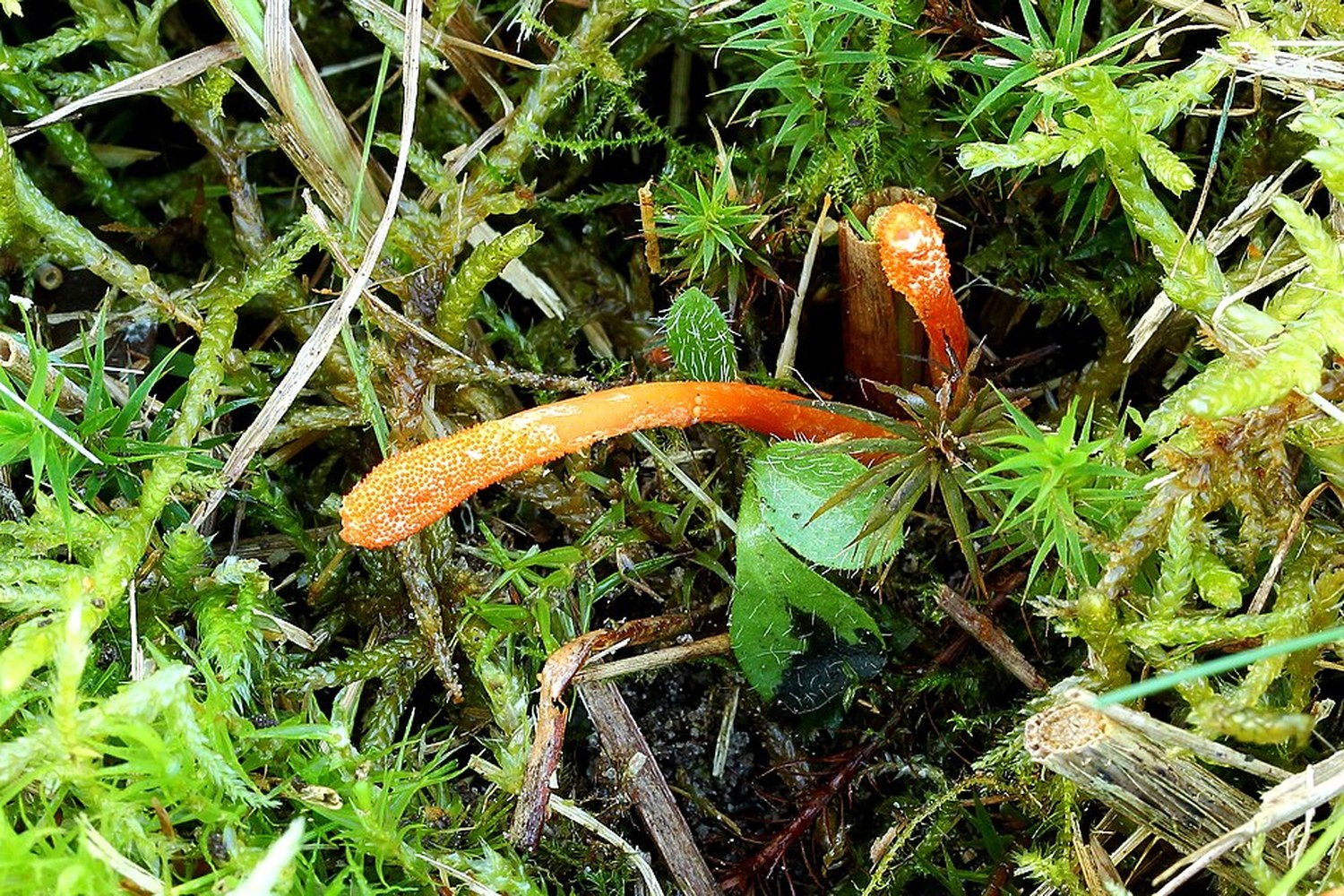
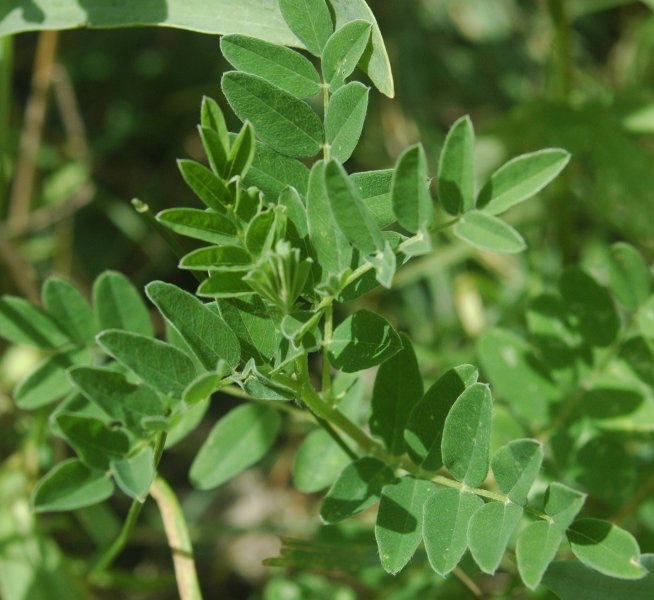
Cordyceps militaris is the oxygen mushroom, and the reason is chemical rather than reputational. Cordycepin (3'-deoxyadenosine) and free adenosine are near-structural cousins of the body's own ATP and adenosine signaling — the system tissue uses to govern blood flow and oxygen demand. Astragalus membranaceus adds astragaloside IV and cycloastragenol, the saponins of the great wei-qi root, the classical protector of the body's outer defensive layer, which in the old framework is inseparable from the lung.
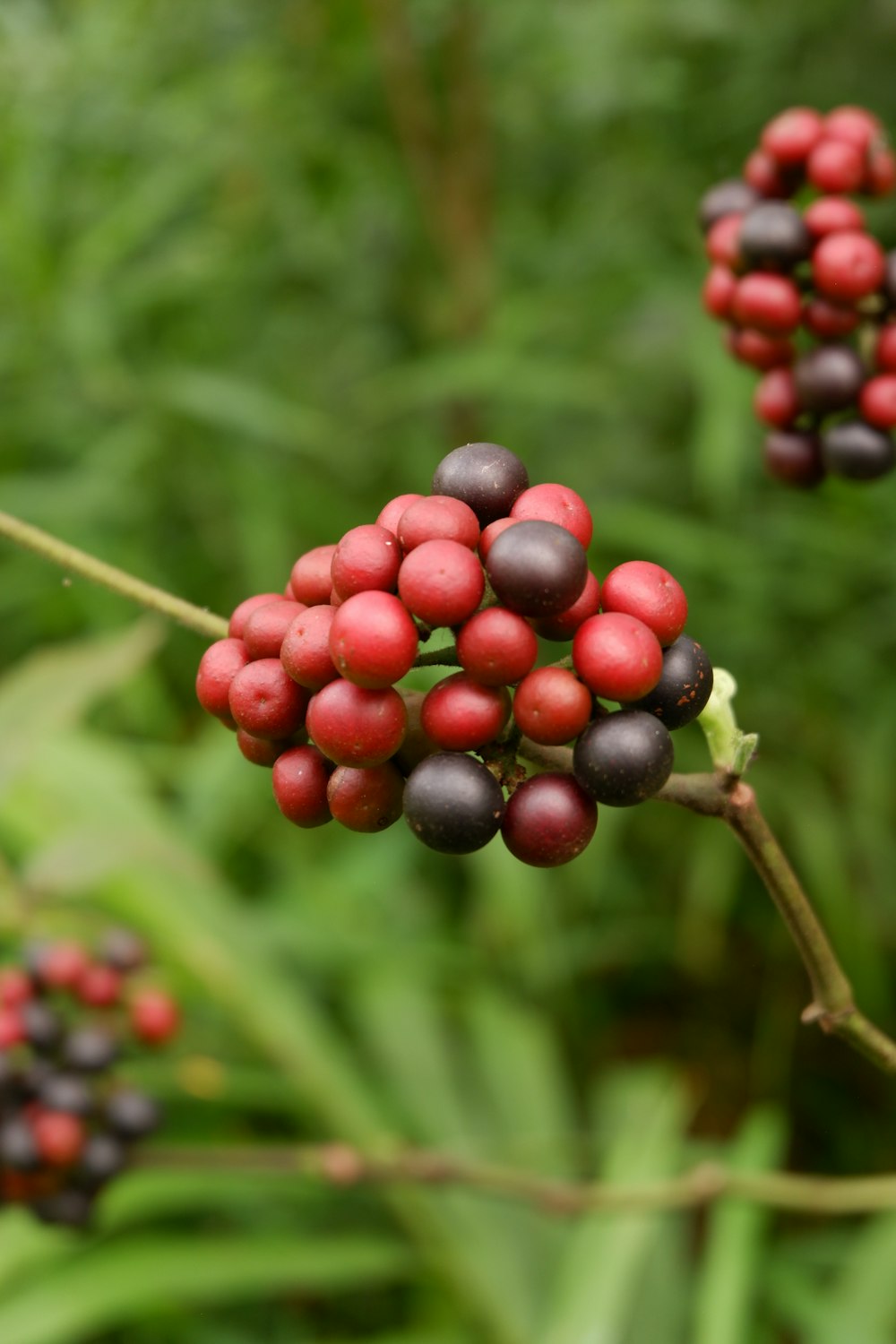
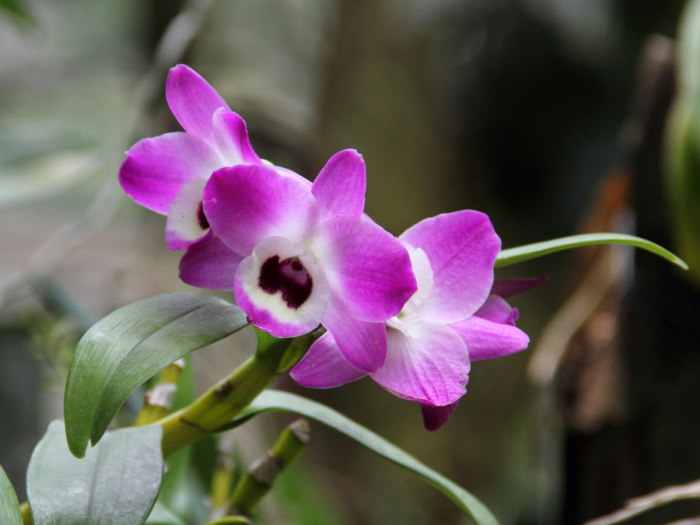
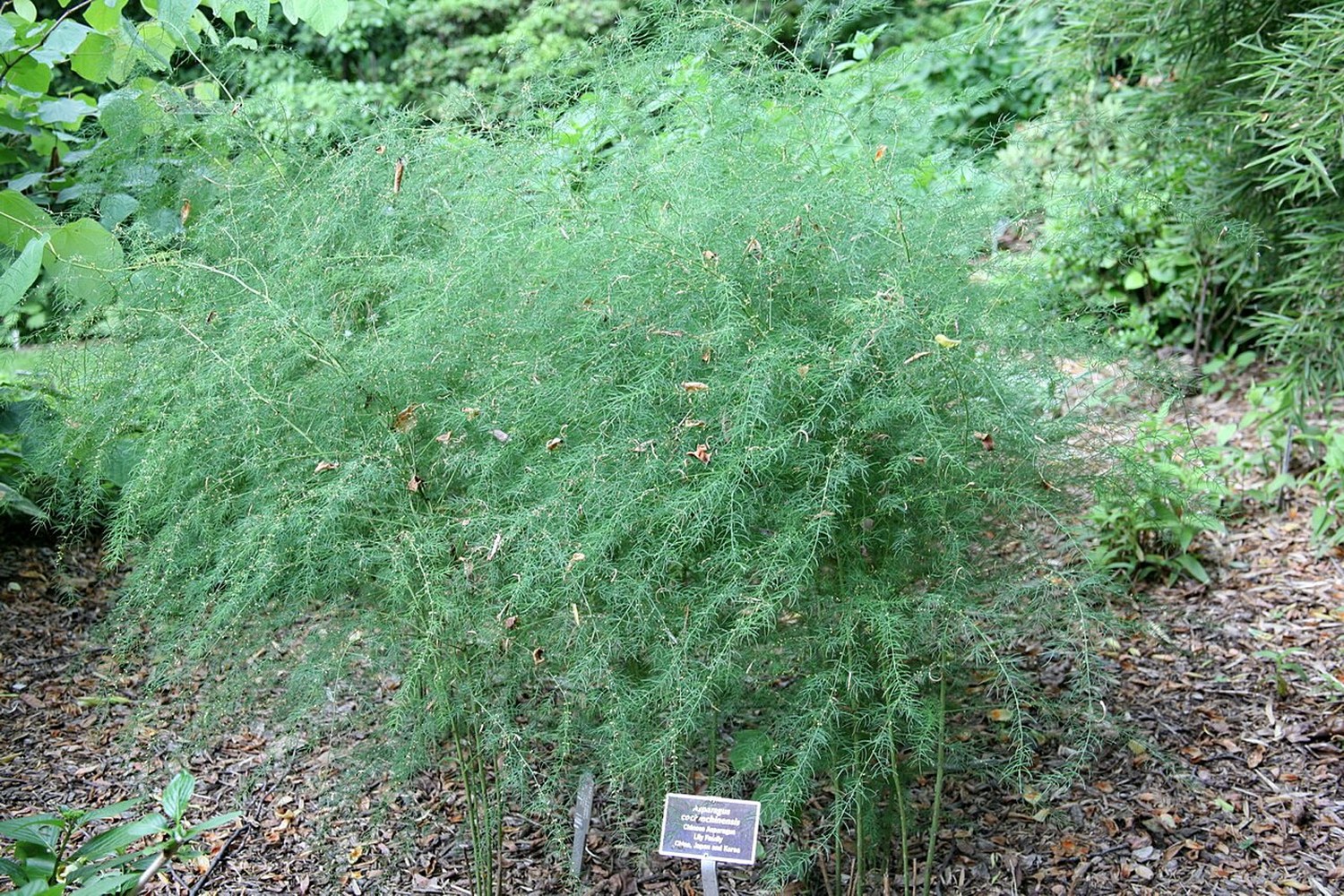
Three more plants complete the respiratory register. Schisandra chinensis, with its schisandrin lignans, is the astringent berry traditionally used to hold the breath in — the classic pairing for a lung that leaks its reserve. Dendrobium nobile brings dendrobine, moscatilin and gigantol, the yin-moistening orchid for dryness. Asparagus cochinchinensis contributes the steroidal sapogenins diosgenin and sarsasapogenin, and in our organ mapping its recorded systems lead with Respiratory. Across the five, the measured convergence runs to five shared targets — AKR1B1, CYP2C9, CYP3A4, PTPN1 and TDP1 — a spread across the body's metabolic and oxidative-handling machinery rather than a single mechanism.
The molecules, measured
A formula is a community of compounds. Below are active molecules from the herbs in this blend and the proteins each is measured to engage — the precise points where the plants meet biology. So you see not just that it works, but how.
Cordyceps militaris
Cordycepin (3'-deoxyadenosine)
PubChem ↗Measured in the lab: binds to Adenosine receptor A1 · Ki 7.12 µM
Measured to act on
A receptor for adenosine that helps calm cellular activity and signaling.
A repair enzyme that clears certain damage points so DNA can be mended.
Pentostatin (2'-deoxycoformycin)
PubChem ↗Measured in the lab: binds very tightly to Adenosine deaminase · Ki 1 nM
Measured to act on
An enzyme that breaks down adenosine, part of how cells recycle their building blocks.
Astragalus membranaceus
Formononetin
PubChem ↗Measured in the lab: binds very tightly to Apoptosis regulator Bcl-2 · Ki 10 nM
Measured to act on
A liver enzyme that breaks down many compounds the body takes in.
An enzyme that edits proteins to manage cellular cleanup and the cell internal scaffolding.
Calycosin
PubChem ↗Measured to act on
A protein that helps organize DNA and acts as an alarm signal during tissue stress.
Schisandra chinensis
Schisandrin B (Wuweizisu B)
PubChem ↗Measured in the lab: binds very tightly to Multidrug resistance-associated protein 1 · IC50 1.25 nM
Measured to act on
A guardian enzyme that senses DNA stress and helps coordinate repair.
A sentinel enzyme that detects DNA breaks and signals the cell to mend them.
An enzyme that helps stitch broken DNA strands back together.
Schisandrin C (= Wuweizisu C)
PubChem ↗Measured to act on
The enzyme that drives the body's inflammatory response.
The liver's busiest enzyme for breaking down compounds the body takes in.
A liver enzyme that helps metabolize and clear many compounds from the body.
Dendrobium nobile
Moscatilin
PubChem ↗Measured to act on
A versatile signaling enzyme involved in energy storage, cell structure, and growth.
A versatile signaling enzyme involved in energy storage, cell structure, and growth.
A signaling enzyme that helps cells respond to stress and coordinate their activity.
Gigantol
PubChem ↗Measured to act on
A small calcium-sensing protein that relays calcium signals throughout the cell.
A small calcium-sensing protein that relays calcium signals throughout the cell.
A central signaling enzyme governing cell growth, survival, and metabolism.
Asparagus cochinchinensis
Diosgenin (steroidal sapogenin aglycone of A. cochinchinensis saponins)
PubChem ↗Measured to act on
A protein that shuttles cholesterol and lipids between compartments inside the cell.
Sarsasapogenin (steroidal sapogenin)
PubChem ↗Measured in the lab: binds tightly to Solute carrier organic anion transporter family member 1B3 · IC50 105 nM
Measured to act on
A liver transporter that draws compounds from the blood into liver cells.
A liver transporter that helps usher substances into the liver for processing.
A membrane protein in brain cells whose fragments play a role in neural signaling and structure.
Cited science · not claims
Everything we publish about these plants traces to a primary source — the compounds to PubChem, ChEMBL, and BindingDB, the traditional uses to named, dated herbals. We describe what a plant is and what it is understood to nourish — the body’s own systems, structure and function only. We do not claim it treats, cures, or prevents any disease, and nothing here is a substitute for professional care. See our method & sources →
These statements have not been evaluated by the Food and Drug Administration. Not intended to diagnose, treat, cure, or prevent any disease.
Why these herbs together
The shared mechanism
A formula is not a pile of herbs — it is herbs whose actions meet. Below are the molecular targets that more than one plant in this blend is measured to engage. Where they converge is the blend's reason to exist.
Astragalus · Asparagus Root
Astragalus · Asparagus Root
Schizandra · Asparagus Root
Dendrobium · Asparagus Root
Each convergence is a gene whose protein two or more of this formula’s herbs are measured to engage (PubChem BioAssay & ChEMBL). It describes characterized molecular activity and the protein’s normal role — structure and function only, never a claim to treat, cure, or prevent any disease.
In practice
Who it’s for, and how to use it
Who it’s for
For endurance athletes and anyone whose work is limited by breath — runners, cyclists, swimmers, climbers, and those training or traveling in cold, dry, or high air.
How to use it
1/4 tsp (up to 1 tsp) in hot water, tea, coffee, a smoothie, or food, once daily through an endurance block. Begin with light doses — our extracts are very potent.
Measure · 1/4 tsp (up to 1 tsp) of extract powder in hot water, tea, coffee, a smoothie, or food, once daily. Begin with light doses — our extracts are very potent.
What’s inside
Cordyceps, Astragalus, Schizandra, Dendrobium and Asparagus Root — whole-plant extracts in equal parts.
These statements have not been evaluated by the Food and Drug Administration. This product is not intended to diagnose, treat, cure, or prevent any disease. Introduce one formula at a time and notice how the body responds; if you are pregnant, nursing, or on a prescription, know the interaction before you begin.
Pairs well with
Formulas that share Lungs's botanicals
Built from overlapping herbs, these reinforce Lungs along the same lines — the shared-botanical kinship our genome engine maps.