
For People
Sleep
Deep Sleep
For the body that wants to put the day down and sink into deep, unbroken rest.
Repose is for the hour when the body is tired but the mind won't let go — the day still replaying, the heart still humming, rest hovering just out of reach. It is built to quiet that loop and let you settle, so that rest arrives on its own and runs deep rather than thin and broken.
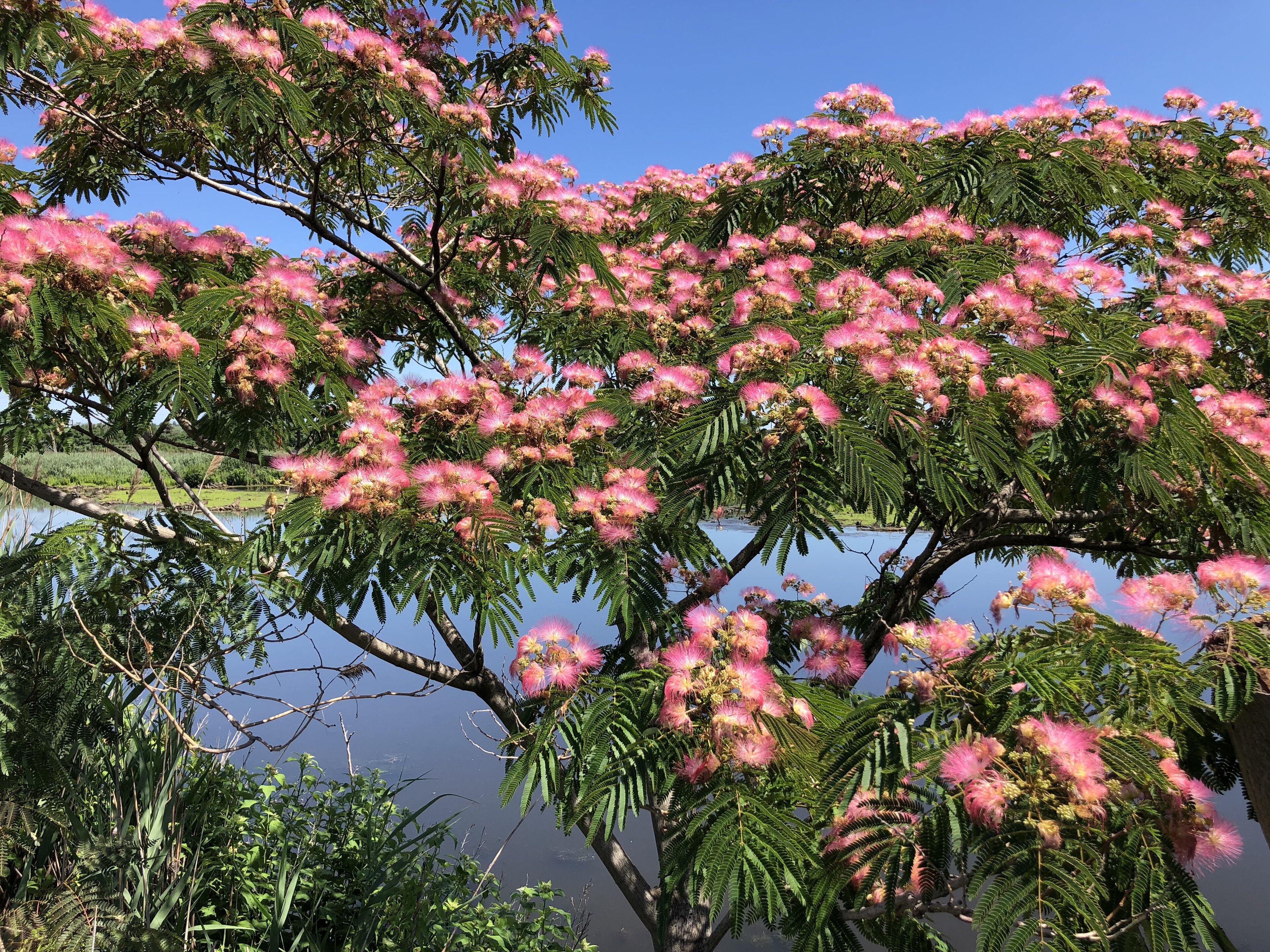
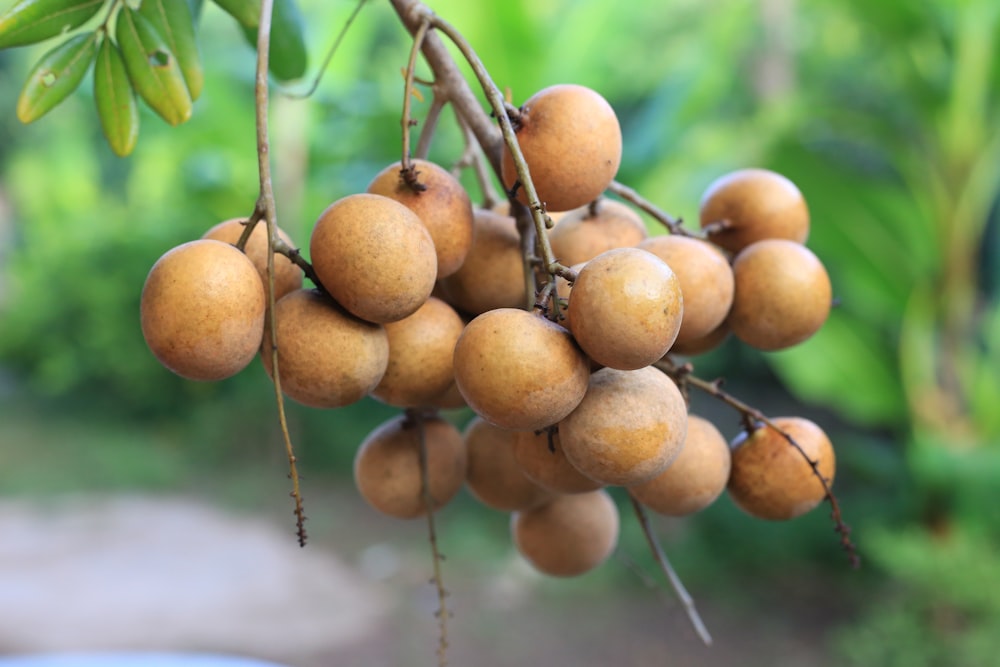
These botanicals were chosen for one shared direction: to calm what herbalists across cultures called the spirit — the restless, watchful part of you that stays switched on long after the body is ready to stop. Spirit-Poria and longan berry steady and nourish the heart; albizia, long known as the "tree of collective happiness," eases a heavy or fretful chest; polygala quiets the chatter that keeps the mind circling; jatamansi — the spikenard prized from the Himalayas to the ancient Mediterranean — grounds the whole system downward into stillness.
The aim is not sedation. You are not being switched off. You are being brought back into ease, so the body can do what it already knows how to do: let go of the day, drop into genuine rest, and restore itself overnight. People reach for Repose in the evening wind-down, before bed, or in any stretch when a busy mind stands between them and real rest.
Use it as a nightly ritual or on the nights you need it most. It is a calming, restoring blend — full-spectrum support for the nervous and circulatory systems — built to bring the body back into ease, not to force it off.
What it supports in the body
The body systems the herbs in this formula are traditionally understood to nourish — resolved through our knowledge graph, where the classical record and modern biology are read together. Structure and function, never a claim of treatment.
Where measure & tradition agree
Systems this blend’s herbs are measured to engage in human binding data — and traditionally named for, independently. The number is how many herbs in the blend converge there. Two evidence systems arriving at the same place, separately, is our highest standard. See the research →
For People
Small-batch. Dual-extracted where it matters. Made by hand.
How to take it
1/4 tsp (up to 1 tsp) of extract powder in hot water, tea, coffee, a smoothie, or food, once daily. Begin with light doses — our extracts are very potent.
Whole plant, never isolated
Concentrated extracts of the whole botanical — the way the body recognizes it.
Cited to measured biology
Every action we describe traces to the compound and its measured target.
Structure & function
We describe what an herb nourishes — never a claim to treat disease.
Secure checkout
Encrypted payment and human verification on every order.
- Free shipping over $150USPS Priority, tracked. $15 standard; ships in 1–3 business days.
- 30-day returnsIn original packaging and resalable condition. Refunded to your original payment method.
What you get
What this formula gives you
Supports a calm, settled mind at the end of the day
Helps the body ease into deep, restful, unbroken rest
Quiets the mental loop and overthinking that keep you awake
Steadies and nourishes the heart, the seat of calm across the lineages
Grounds a restless or over-busy system back into stillness
Full-spectrum support for the nervous and circulatory systems as a nightly restoring ritual
How it works
The science of Sleep
Not buzzwords — the actual biology of the plants in this formula: their compounds, the targets those compounds are measured to engage, and the systems they nourish.
Repose works at the meeting point of the nervous and circulatory systems — the link, recognized independently across the Greek-Galenic, Ayurvedic, African, and East Asian lineages, between an unsettled heart and an unsettled mind. When the heart is calm, the mind follows. The formula is composed around that single idea, with each herb approaching it from a different angle so the effect is broad and grounded rather than one-note.
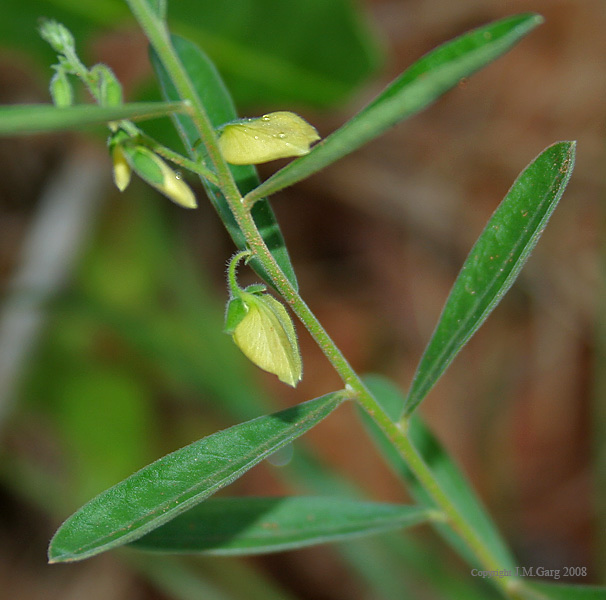
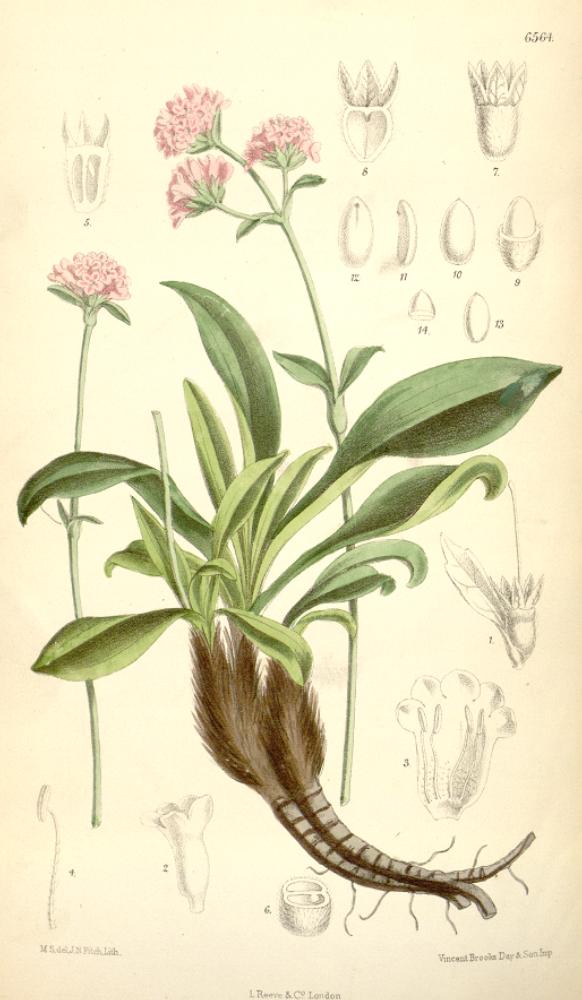
Polygala is the most pointed of the five. Its compound 3,4,5-trimethoxycinnamic acid has measured activity at several serotonin (5-HT) receptors — the same family the body uses to regulate calm, mood, and the rhythm of waking and rest. In the botanical lineage polygala is the herb that "opens the heart and quiets the mind," connecting the heart's warmth with the body's deep grounding reserves. Jatamansi — Nardostachys, the spikenard prized from the Himalayas to the ancient Mediterranean — carries valeranone and jatamansone, sesquiterpenes from the same plant family as valerian, long used to draw a racing system downward into stillness.
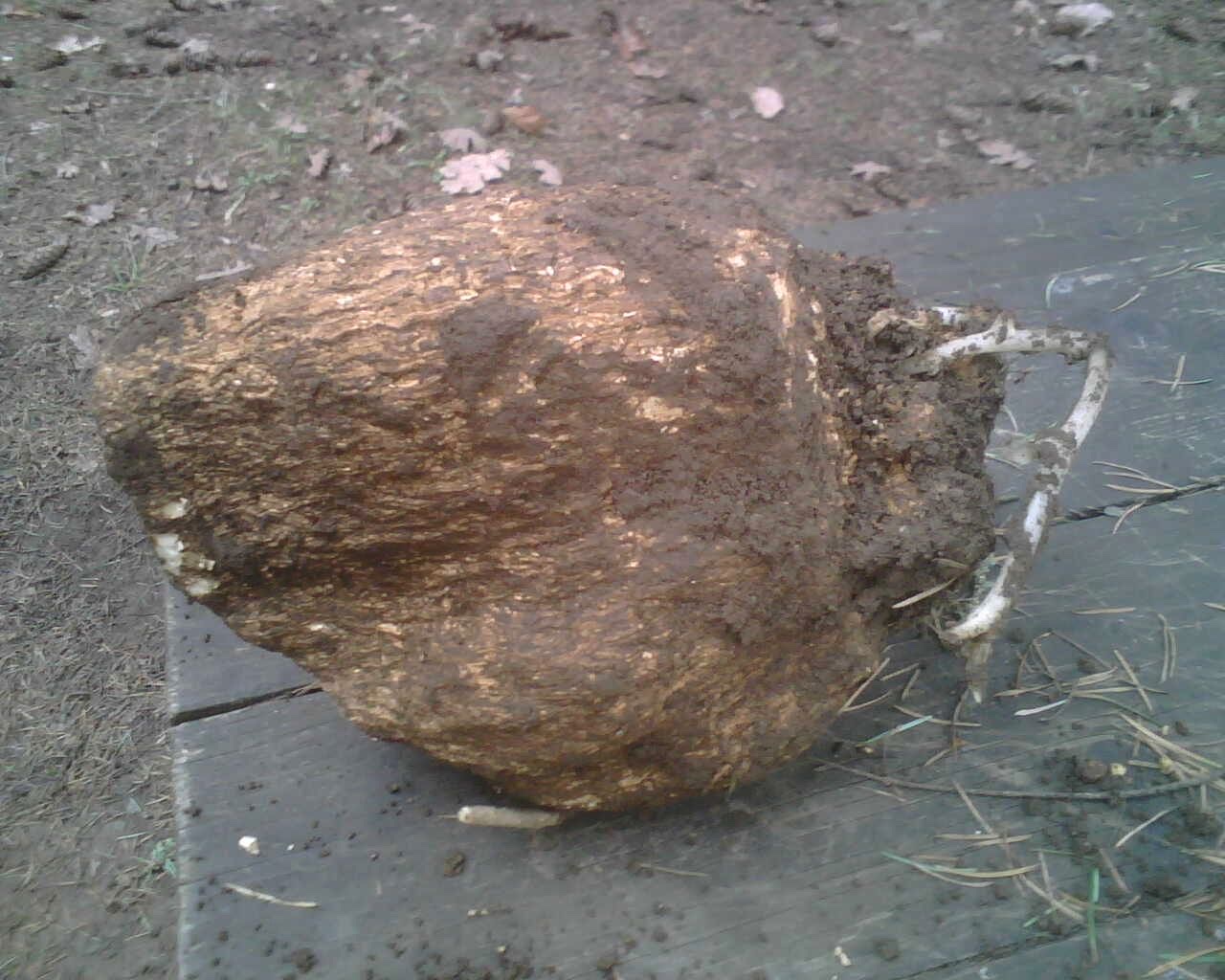
Around that core, Spirit-Poria (the poria fungus grown cradling a pine root) brings its calming triterpene acids and its role of "anchoring the spirit"; albizia bark, the bark of happiness, carries the flavonoid quercetin and a long-standing reputation for lifting a fretful, heavy heart; and longan berry, sweet and nourishing, supplies gallic acid and the classical job of feeding the heart's reserves so calm has something solid to rest on. These are structure-and-function actions — they nourish the body's own systems for rest and ease. This product is not intended to diagnose, treat, cure, or prevent any disease.
The molecules, measured
A formula is a community of compounds. Below are active molecules from the herbs in this blend and the proteins each is measured to engage — the precise points where the plants meet biology. So you see not just that it works, but how.
Wolfiporia extensa
Pachymic acid
PubChem ↗Measured to act on
An enzyme that releases fatty acids from cell membranes, starting inflammation-signaling cascades.
Polygala tenuifolia
3,4,5-Trimethoxycinnamic acid
PubChem ↗Measured in the lab: binds to 5-hydroxytryptamine receptor 2C · IC50 2.5 µM
Measured to act on
A serotonin receptor involved in mood, calm, and nervous-system signaling.
A serotonin receptor in the brain involved in mood, perception, and signaling.
A serotonin receptor that helps govern appetite, mood, and emotional balance.
Albizia julibrissin
Quercetin
PubChem ↗Measured in the lab: binds very tightly to Amine oxidase [flavin-containing] A · IC50 10 nM
Measured to act on
A protein that stabilizes the internal tracks neurons use to transport materials along their length.
An enzyme that converts excess glucose into sorbitol, part of normal sugar metabolism.
A liver-family enzyme that helps the body break down compounds, including hormones and environmental substances.
Kaempferol
PubChem ↗Measured in the lab: binds very tightly to Carbonic anhydrase 7 · Ki 25 nM
Measured to act on
A major liver enzyme that processes a wide range of compounds the body takes in.
A liver enzyme that helps break down and process many compounds and natural substances.
An enzyme that trims small signaling peptides, part of how the body regulates blood-sugar hormones.
Nardostachys jatamansi
Valerenic acid (CAUTION: established Valeriana marker, NOT a confirmed major Nardostachys constituent; included for the verified GABA-A target but flagged as cross-genus)
PubChem ↗Measured in the lab: binds to Retinoic acid receptor RXR-beta · EC50 5 µM
Measured to act on
A receptor that carries the brain's main calming signal, quieting nerve activity.
A receptor that carries the brain's main calming signal, easing nerve excitability.
A gated channel that lets calming signals flow into nerve cells, settling their activity.
Dimocarpus longan
Gallic acid
PubChem ↗Measured in the lab: binds very tightly to Amyloid-beta precursor protein · EC50 1.7 nM
Measured to act on
A mitochondrial enzyme involved in breaking down fatty acids and balancing steroid hormones.
An enzyme that adds sugar tags to cells, helping immune cells find their way through tissue.
An enzyme that edits chemical tags on DNA-packaging proteins to regulate genes.
Ellagic acid
PubChem ↗Measured in the lab: binds very tightly to Amyloid-beta precursor protein · EC50 1.7 nM
Measured to act on
A protein that repairs damaged DNA and helps balance the cell's oxidative state.
A constantly active signaling enzyme involved in cell growth and stress responses.
An enzyme in the liver and red blood cells that helps turn sugar into usable energy.
Cited science · not claims
Everything we publish about these plants traces to a primary source — the compounds to PubChem, ChEMBL, and BindingDB, the traditional uses to named, dated herbals. We describe what a plant is and what it is understood to nourish — the body’s own systems, structure and function only. We do not claim it treats, cures, or prevents any disease, and nothing here is a substitute for professional care. See our method & sources →
These statements have not been evaluated by the Food and Drug Administration. Not intended to diagnose, treat, cure, or prevent any disease.
Why these herbs together
The shared mechanism
A formula is not a pile of herbs — it is herbs whose actions meet. Below are the molecular targets that more than one plant in this blend is measured to engage. Where they converge is the blend's reason to exist.
Albizia · Longan Berry
Albizia · Longan Berry
Albizia · Longan Berry
Albizia · Longan Berry
Each convergence is a gene whose protein two or more of this formula’s herbs are measured to engage (PubChem BioAssay & ChEMBL). It describes characterized molecular activity and the protein’s normal role — structure and function only, never a claim to treat, cure, or prevent any disease.
Whole plant vs. the isolated molecule
One molecule, one switch — or five plants, characterized to the molecule.
Pharma isolates a single molecule to silence a single switch. Repose is the whole plant, characterized to the molecule. Polygala carries 3,4,5-trimethoxycinnamic acid, active at the serotonin (5-HT) receptors the body uses to set the rhythm of calm and rest; jatamansi brings valeranone and jatamansone, sesquiterpenes of the valerian family that draw a racing system downward into stillness; spirit-poria its triterpene acids, albizia its quercetin, longan its gallic acid. In our genome engine albizia and jatamansi converge on the Nervous system, while albizia and longan share APP — a protein involved in nerve-cell maintenance and signaling. Albizia also touches MAOA, the enzyme that recycles mood-related neurotransmitters, and CHRM2, which helps set a calm heart rhythm. This is multi-target by nature, not single-point: five botanicals nourishing the body's own nervous and circulatory systems, named together by the Himalayan, Mediterranean, and East Asian lineages — whole food, fully cited, never a black box.
Every molecule and target named here is cited from our own genome data (PubChem BioAssay, BindingDB, ChEMBL). Structure and function only — a description of characterized chemistry and tradition, never a claim to treat, cure, or prevent any disease.
In practice
Who it’s for, and how to use it
Who it’s for
For anyone whose body is tired but whose mind won't switch off — the late-night overthinker, the lie-awake-replaying-the-day type, the light or broken sleeper, and anyone wanting a calming evening ritual to wind down into real rest. Best in the hours before bed.
How to use it
Stir 1/4 tsp (up to 1 tsp) of the extract powder into hot water, tea, a warm milk, a smoothie, or food, once daily — ideally in the evening as you wind down. Begin with a light dose; our extracts are very potent, so a little goes a long way. Make it part of an unhurried pre-rest ritual rather than a last-second fix.
Measure · 1/4 tsp (up to 1 tsp) of extract powder in hot water, tea, coffee, a smoothie, or food, once daily. Begin with light doses — our extracts are very potent.
What’s inside
Inside Repose: Spirit-Poria (Fu Shen), polygala (Yuan Zhi), albizia bark (He Huan Pi, the "tree of happiness"), jatamansi (spikenard / Nardostachys), and longan berry (Long Yan Rou) — botanicals from a single calming lineage, prepared as a potent full-spectrum extract powder. The most pristine herbs on earth.
These statements have not been evaluated by the Food and Drug Administration. This product is not intended to diagnose, treat, cure, or prevent any disease. Introduce one formula at a time and notice how the body responds; if you are pregnant, nursing, or on a prescription, know the interaction before you begin.
Pairs well with
Formulas that share Sleep's botanicals
Built from overlapping herbs, these reinforce Sleep along the same lines — the shared-botanical kinship our genome engine maps.