
For People
Calm
Calm & Renewal
The cool, nourishing yin current — moisture, calm, and renewal for any body that wants to cultivate it.
Moon is the receptive, replenishing pole of vitality. Where the active, daytime current burns bright and drives outward, the yin current pools inward — it builds reserves, holds moisture, settles the spirit, and lets the body refill the well it draws from. Across the Greek-Galenic, Ayurvedic, African, and East Asian lineages alike, this is the cooling, watery, lunar quality: the part of vitality concerned not with output but with depth. Moon is built to feed that current, for anyone who senses theirs running thin.
People reach for Moon when they feel run dry — depleted after long output, parched and warm without rest, rest that won't settle, a sense of having spent more than they've taken back in. These are the classical signs of yin running low: heat without substance to balance it, restlessness because the deep, grounding reserve has thinned. Moon answers that pattern the way the lineages answered it — not by stimulating, but by replenishing. It is the formula you take to be nourished, cooled, and made whole again, slowly and from the foundation up.
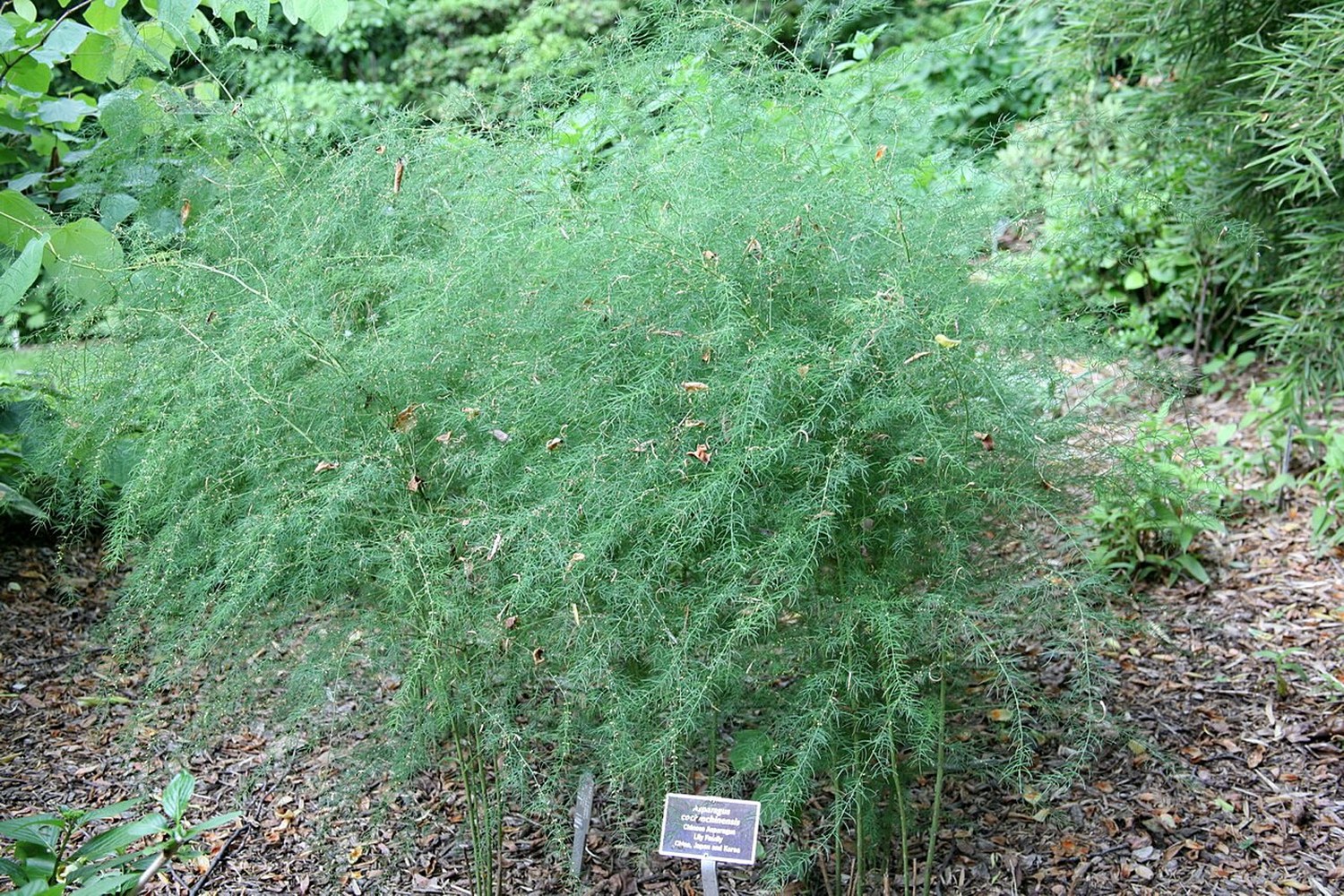
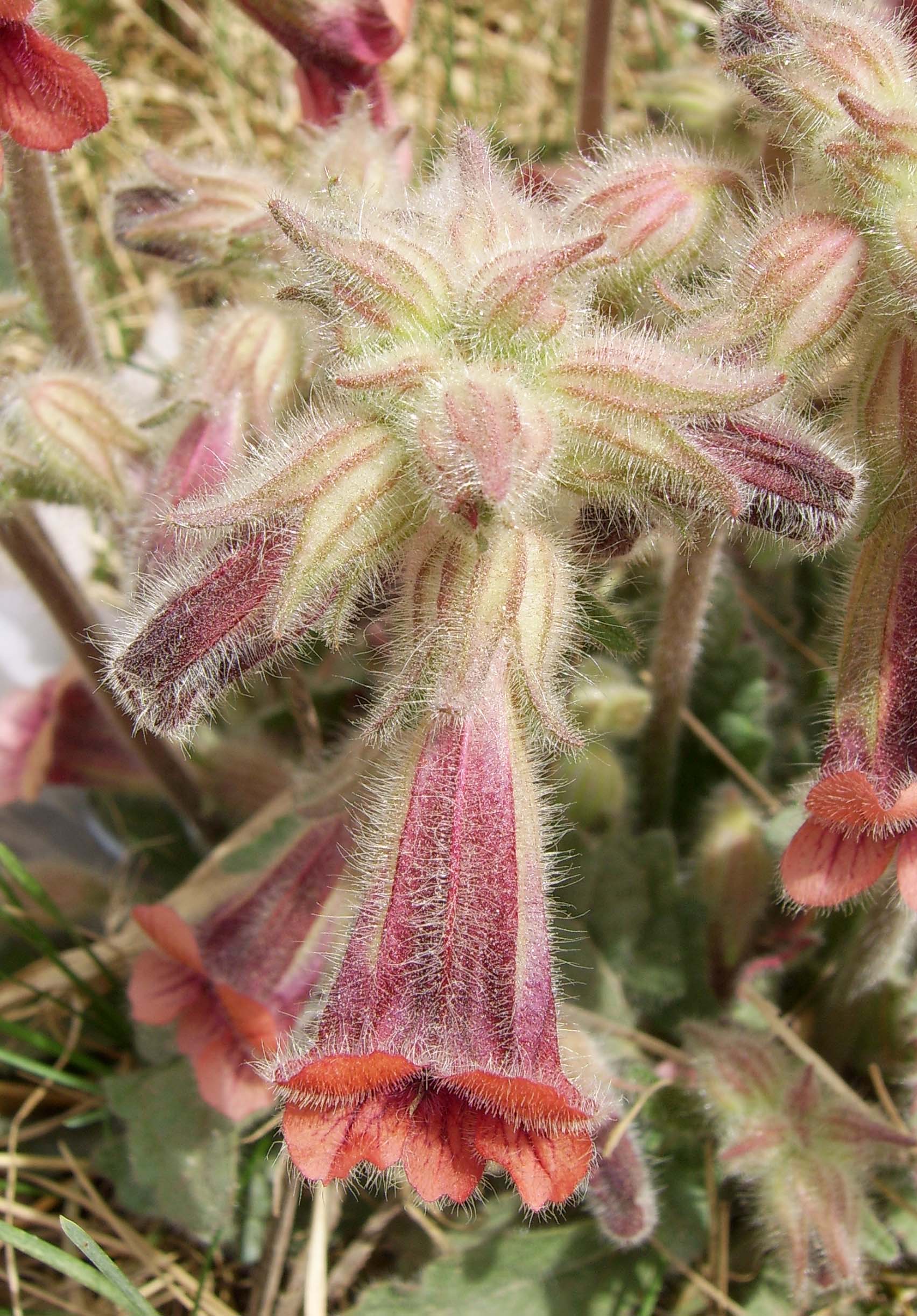
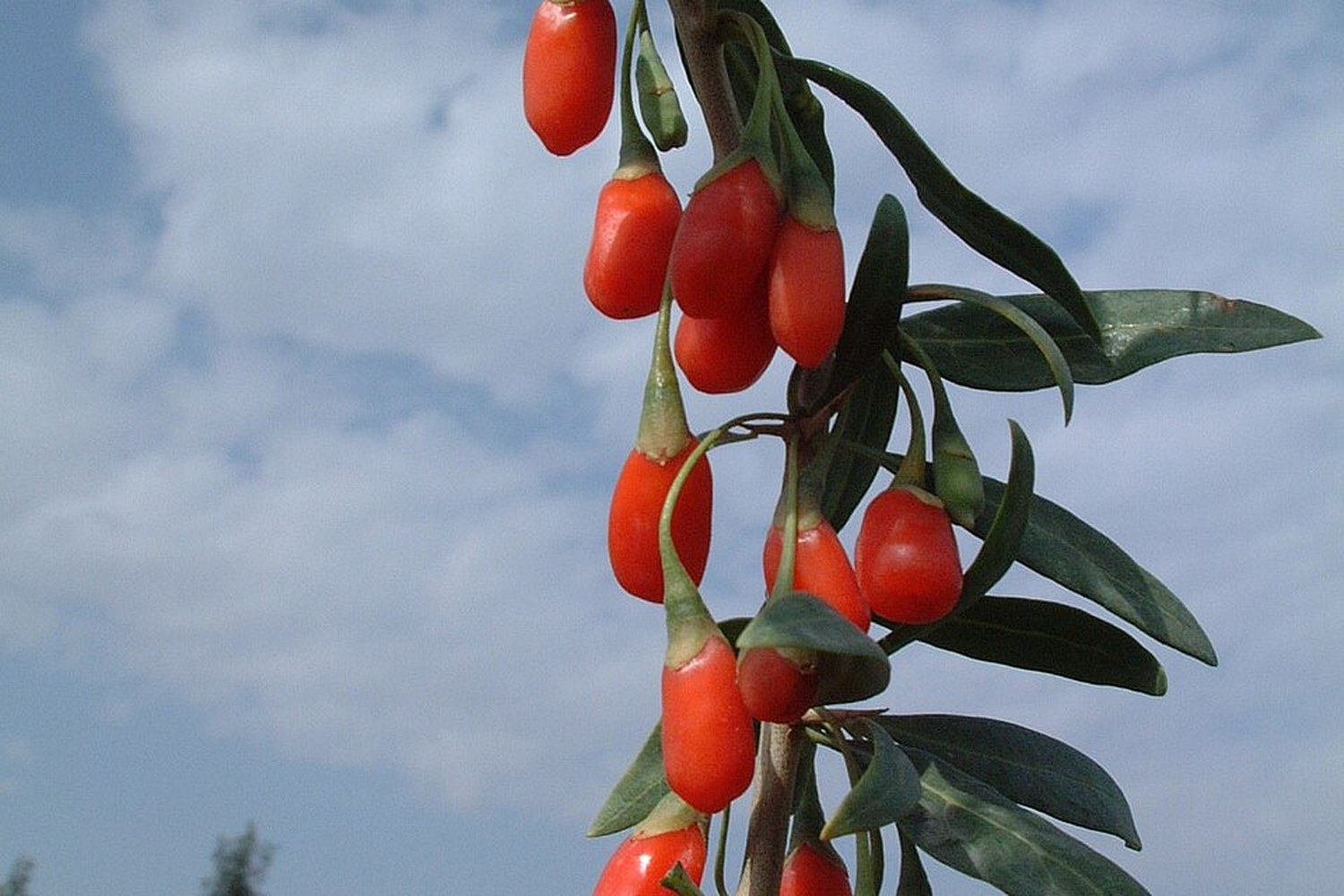
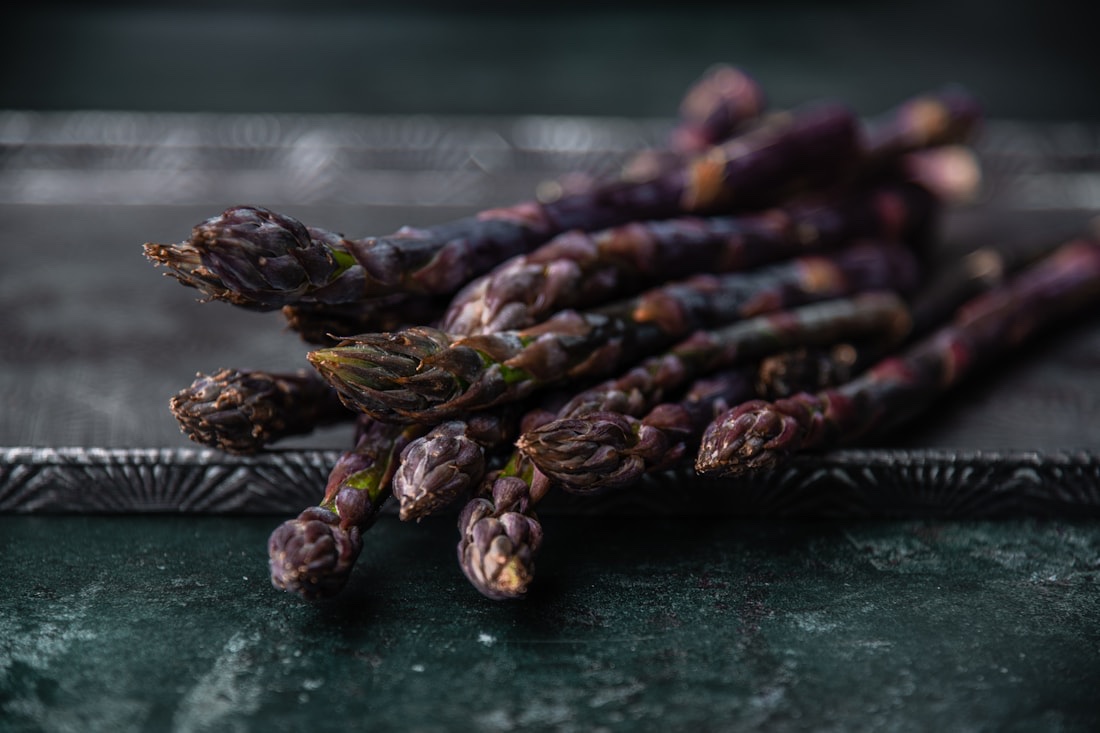
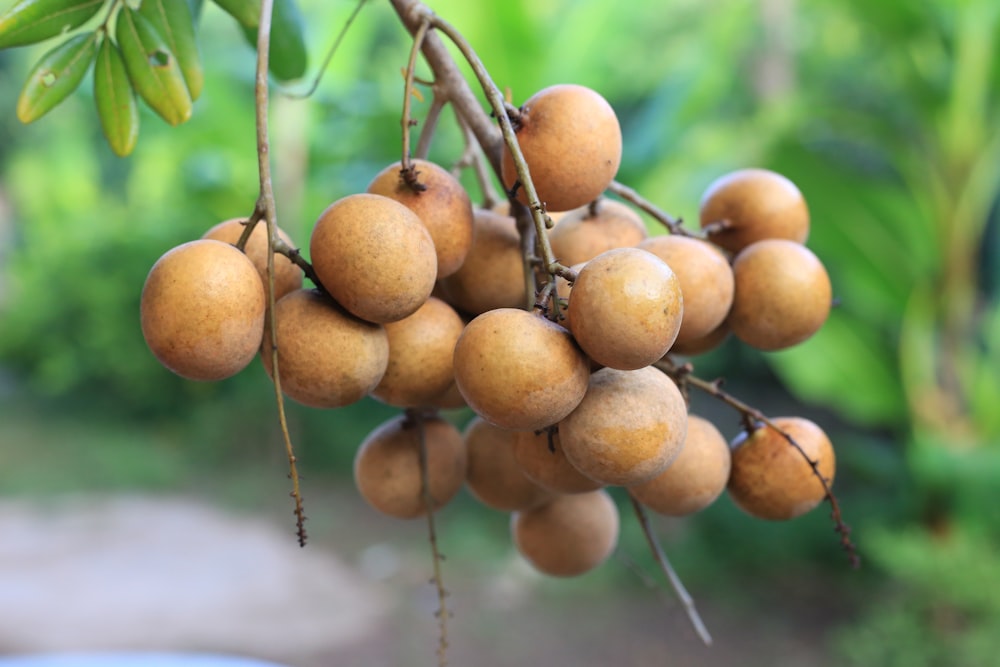
This is a quiet, foundational blend taken steadily. Asparagus root and red asparagus are the great moistening, kidney-and-water tonics of the East Asian materia medica — Tian Men Dong, the moon-water herb, cousin to Ayurveda's beloved Shatavari, prized for ages as the very emblem of the nourishing yin current. Rehmannia, prepared and dark, is the cornerstone blood-and-essence tonic that rebuilds the deep reserve. Goji and longan berry bring the sweet, blood-building, spirit-settling fruits — the ones households across cultures simmered into broths and teas to restore someone worn down. Together they make a grounded, even, replenishing whole.
Moon is the companion to our daytime, active formula — the receptive half of one pair. You take it to cultivate the yin in yourself: more moisture, more calm, more reserve, deeper rest. It is for any body, of any kind, that wants to draw the lunar current inward.
What it supports in the body
The body systems the herbs in this formula are traditionally understood to nourish — resolved through our knowledge graph, where the classical record and modern biology are read together. Structure and function, never a claim of treatment.
Where measure & tradition agree
Systems this blend’s herbs are measured to engage in human binding data — and traditionally named for, independently. The number is how many herbs in the blend converge there. Two evidence systems arriving at the same place, separately, is our highest standard. See the research →
For People
Small-batch. Dual-extracted where it matters. Made by hand.
How to take it
1/4 tsp (up to 1 tsp) of extract powder in hot water, tea, coffee, a smoothie, or food, once daily. Begin with light doses — our extracts are very potent.
Whole plant, never isolated
Concentrated extracts of the whole botanical — the way the body recognizes it.
Cited to measured biology
Every action we describe traces to the compound and its measured target.
Structure & function
We describe what an herb nourishes — never a claim to treat disease.
Secure checkout
Encrypted payment and human verification on every order.
- Free shipping over $150USPS Priority, tracked. $15 standard; ships in 1–3 business days.
- 30-day returnsIn original packaging and resalable condition. Refunded to your original payment method.
What you get
What this formula gives you
Supports the body's own moisture and fluid balance — the cooling, replenishing yin side of vitality
Helps nourish the deep reserve drawn down by long output, heat, and not enough rest
Feeds the blood-and-essence systems through prepared rehmannia, the classical foundational tonic
Supports settled, restful calm — the spirit-quieting character of goji and longan fruits
Grounds and steadies rather than stimulates — a foundational blend you build on over time
Cultivates the receptive, lunar current in any body that wants more depth, moisture, and rest
How it works
The science of Calm
Not buzzwords — the actual biology of the plants in this formula: their compounds, the targets those compounds are measured to engage, and the systems they nourish.
The herbs in Moon are, by tradition, the body's water-and-blood tonics — the ones that moisten what has gone dry and rebuild what has been spent — and modern molecular work gives us a grounded look at why they were trusted for that. Asparagus root and red asparagus are rich in steroidal saponins; in asparagus root we can identify diosgenin and sarsasapogenin, the same family of steroidal building-blocks the plant world uses as molecular scaffolding. These are the constituents behind the herb's long reputation as a deep moistening tonic that supports the kidney-and-water systems — the structural foundation, in the old framework, of the yin current itself.
Rehmannia is the formula's blood-and-essence cornerstone, and it carries a well-characterized set of iridoid compounds — catalpol and aucubin — alongside the phenylethanoid acteoside (verbascoside). These are measured, identifiable molecules, not folklore: acteoside, for instance, interacts with protein kinase C, part of the cell's everyday signaling machinery. This is the molecular grounding under rehmannia's classical role nourishing the blood and the deep reserve — the substance that yin, in the traditional reading, is made of.
The two fruits round the blend toward calm and replenishment. Goji is dense with carotenoid pigments — zeaxanthin and beta-carotene — alongside betaine, a methyl-donor the body uses in its ordinary metabolic housekeeping; traditionally it is the blood-and-eye-nourishing berry. Longan berry contributes gallic acid and related polyphenols, the chemistry behind its long use as a sweet, settling, spirit-calming food for the worn-down. Throughout, this is structure-and-function language only: these botanicals are food the body recognizes and uses to nourish its own systems back toward balance. This product is not intended to diagnose, treat, cure, or prevent any disease.
The molecules, measured
A formula is a community of compounds. Below are active molecules from the herbs in this blend and the proteins each is measured to engage — the precise points where the plants meet biology. So you see not just that it works, but how.
Asparagus cochinchinensis
Diosgenin (steroidal sapogenin aglycone of A. cochinchinensis saponins)
PubChem ↗Measured to act on
A protein that shuttles cholesterol and lipids between compartments inside the cell.
Sarsasapogenin (steroidal sapogenin)
PubChem ↗Measured in the lab: binds tightly to Solute carrier organic anion transporter family member 1B3 · IC50 105 nM
Measured to act on
A liver transporter that draws compounds from the blood into liver cells.
A liver transporter that helps usher substances into the liver for processing.
A membrane protein in brain cells whose fragments play a role in neural signaling and structure.
Rehmannia glutinosa
Acteoside (Verbascoside)
PubChem ↗Measured in the lab: binds very tightly to Beta-secretase 1 · IC50 6.3 nM
Measured to act on
A family of signaling enzymes that relay messages controlling cell growth and activity.
Aucubin
PubChem ↗Measured to act on
An enzyme that makes prostaglandins for everyday housekeeping like stomach lining and blood flow.
The enzyme that drives the body's inflammatory response by producing prostaglandins.
The receptor through which estrogen signals, governing many reproductive and tissue functions.
Lycium barbarum
Betaine
PubChem ↗Measured to act on
An enzyme that recycles the amino acid homocysteine back into methionine using betaine.
Scopoletin
PubChem ↗Measured in the lab: binds tightly to Carbonic anhydrase 9 · Ki 960 nM
Measured to act on
An enzyme that helps cells balance acidity by managing carbon dioxide.
Asparagus officinalis (red variety)
Quercetin
PubChem ↗Measured in the lab: binds very tightly to Amine oxidase [flavin-containing] A · IC50 10 nM
Measured to act on
A liver-family enzyme that helps the body break down compounds, including hormones and environmental substances.
An enzyme involved in breaking down fatty acids for energy inside the cell's mitochondria.
A signaling enzyme involved in cell survival and growth.
Kaempferol
PubChem ↗Measured in the lab: binds very tightly to Carbonic anhydrase 7 · Ki 25 nM
Measured to act on
An enzyme that helps convert and balance active sex-hormone levels in tissues.
A liver enzyme that processes caffeine and many other compounds the body takes in.
A liver and lung enzyme that helps the body process and clear certain compounds.
Dimocarpus longan
Gallic acid
PubChem ↗Measured in the lab: binds very tightly to Amyloid-beta precursor protein · EC50 1.7 nM
Measured to act on
A mitochondrial enzyme involved in breaking down fatty acids and balancing steroid hormones.
An enzyme that adds sugar tags to cells, helping immune cells find their way through tissue.
An enzyme that edits chemical tags on DNA-packaging proteins to regulate genes.
Ellagic acid
PubChem ↗Measured in the lab: binds very tightly to Amyloid-beta precursor protein · EC50 1.7 nM
Measured to act on
A protein that repairs damaged DNA and helps balance the cell's oxidative state.
A constantly active signaling enzyme involved in cell growth and stress responses.
An enzyme in the liver and red blood cells that helps turn sugar into usable energy.
Cited science · not claims
Everything we publish about these plants traces to a primary source — the compounds to PubChem, ChEMBL, and BindingDB, the traditional uses to named, dated herbals. We describe what a plant is and what it is understood to nourish — the body’s own systems, structure and function only. We do not claim it treats, cures, or prevents any disease, and nothing here is a substitute for professional care. See our method & sources →
These statements have not been evaluated by the Food and Drug Administration. Not intended to diagnose, treat, cure, or prevent any disease.
Why these herbs together
The shared mechanism
A formula is not a pile of herbs — it is herbs whose actions meet. Below are the molecular targets that more than one plant in this blend is measured to engage. Where they converge is the blend's reason to exist.
Asparagus Root · Goji Berry · Longan Berry
Asparagus Root · Red Asparagus · Longan Berry
Asparagus Root · Rehmannia · Goji Berry
Asparagus Root · Goji Berry · Red Asparagus
Asparagus Root · Goji Berry · Red Asparagus
Asparagus Root · Goji Berry
Asparagus Root · Goji Berry
Each convergence is a gene whose protein two or more of this formula’s herbs are measured to engage (PubChem BioAssay & ChEMBL). It describes characterized molecular activity and the protein’s normal role — structure and function only, never a claim to treat, cure, or prevent any disease.
Whole plant vs. the isolated molecule
One drug, one target. Moon is five plants converging by nature.
A pharmaceutical isolates one molecule to occupy one target. Moon does the opposite: five whole botanicals from one yin-nourishing lineage, characterized down to their actual molecules. Asparagus root and red asparagus carry steroidal saponins — diosgenin, sarsasapogenin. Prepared rehmannia brings the iridoids catalpol and aucubin and the phenylethanoid acteoside. Goji adds zeaxanthin and betaine; longan berry, gallic acid. Where a single isolate touches one point, these herbs converge by nature: four of the five share APP, a protein involved in nerve-cell maintenance and signaling, and three share BACE1, the enzyme that processes it. Asparagus root and goji meet again on GSK3B, a hub kinase coordinating metabolism and nerve-cell signaling, and on the acetylcholine-resetting enzyme ACHE. By tradition their currents pool in the blood, the heart, and the eyes. This is food the body recognizes — transparent, cited, multi-target by design — nourishing the receptive yin current rather than silencing a single signal. Whole plant, characterized to the molecule.
Every molecule and target named here is cited from our own genome data (PubChem BioAssay, BindingDB, ChEMBL). Structure and function only — a description of characterized chemistry and tradition, never a claim to treat, cure, or prevent any disease.
In practice
Who it’s for, and how to use it
Who it’s for
For any body that feels run dry, overheated without rest, or spent past its reserve — and wants to replenish from the foundation up rather than push harder. Moon is for those drawn to the cool, receptive, nourishing current: deeper rest, more moisture, more inward depth. It is the receptive companion to our daytime, active formula, and it is offered to every body that wishes to cultivate the yin within — not a claim about sex, and not a claim about any medical condition.
How to use it
Begin with 1/4 teaspoon of the extract powder once daily, stirred into hot water, tea, coffee, a smoothie, or food — building up to as much as 1 teaspoon as you feel its measure. Start light: our extracts are very concentrated, and Moon is a foundational, replenishing blend that rewards steady daily use over time rather than a single dose. Taken in the evening, it pairs naturally with winding down. 1 oz / 12 g per tin.
Measure · 1/4 tsp (up to 1 tsp) of extract powder in hot water, tea, coffee, a smoothie, or food, once daily. Begin with light doses — our extracts are very potent.
What’s inside
Inside: asparagus root and red asparagus (the great moistening water-tonics), prepared rehmannia (the blood-and-essence cornerstone), and the sweet, settling fruits goji and longan berry — convergent botanicals from one unbroken lineage of plant wisdom, chosen to feed the body's receptive, nourishing current. The most pristine herbs on earth.
These statements have not been evaluated by the Food and Drug Administration. This product is not intended to diagnose, treat, cure, or prevent any disease. Introduce one formula at a time and notice how the body responds; if you are pregnant, nursing, or on a prescription, know the interaction before you begin.
Pairs well with
Formulas that share Calm's botanicals
Built from overlapping herbs, these reinforce Calm along the same lines — the shared-botanical kinship our genome engine maps.