aromatic
Jatamansi (Spikenard)
Nardostachys jatamansi
Also known as
Suitable For
A rare aromatic root from the high Himalayas, rich in calming sesquiterpenes. Used in small amounts to quiet the mind, steady the nerves, and ground the senses.
What it nourishes in the body
The body systems this herb is traditionally understood to support — resolved through our knowledge graph, where the classical record and modern biology are read together. Structure and function, never a claim of treatment.
Dried & Powdered
Whole-plant. Small-batch. Potent.
How to take it
1 tsp in hot water, tea, or a smoothie, once daily.
Whole plant, never isolated
Concentrated extracts of the whole botanical — the way the body recognizes it.
Cited to measured biology
Every action we describe traces to the compound and its measured target.
Structure & function
We describe what an herb nourishes — never a claim to treat disease.
Secure checkout
Encrypted payment and human verification on every order.
The Botanical
Jatamansi (Spikenard), in depth
Character
Jatamansi (Nardostachys jatamansi), known to the West as spikenard and to classical East Asian practice as 甘松, gan song, is an aromatic root and rhizome drawn from one of the most rarefied origins in the entire materia medica: the high alpine meadows of the Himalaya, where it grows at altitudes few plants will tolerate, in Nepal, northern India, and Tibet. What is harvested is the dense, hair-like crown of rhizome — earthy, resinous, unmistakably perfumed — and it is this perfume that announces the plant's character. Spikenard is one of the great aromatics of the ancient world, a root so prized it was carried in alabaster and named in scripture, and within the apothecary it occupies the seat of the grounding nervine: a botanical whose whole disposition is toward stillness, settling, and the gathering-in of a scattered mind. Where many aromatics lift and disperse, jatamansi descends. It is warming and earthward, and it is used — as it has always been used — in small, deliberate amounts, because its potency is concentrated and its action is one of quiet depth rather than force. In the GGG lineage it stands as the calming, grounding aromatic of the clarity line: the root you reach for when the nervous system needs to be steadied and the senses brought back to center.
In the Body
Jatamansi is, first and last, a botanical of the nervous system. Its aromatic character is not incidental — it is the signature of a root unusually rich in sesquiterpenes, the class of volatile aromatic compounds that defines the valerian family to which it belongs. Chief among these are the valeranoid sesquiterpenes, jatamansone (also called valeranone) and its relatives, the established constituents that carry the plant's grounding, settling disposition and account for its long-standing place as a nervine. These are the molecules the body's own nervous system recognizes when the root is taken as a dilute tonic, and they work with — never against — the body's innate machinery of rest, helping a wound-up, overstimulated nervous system find its way back toward an even, settled baseline. The experience GGG formulates for is exactly this: clear focus and a calm, settled mind, the kind of grounded steadiness that supports natural, restful balance. Alongside the sesquiterpenes the root carries its broader aromatic and resinous fraction, the earthy bouquet that makes spikenard what it is and that traditional practice has always linked to its centering, sense-steadying quality. The whole engages a single system with precision — it tones the nervous system toward calm and clarity rather than scattering it — which is why it is given in small amounts and why, in the GGG framing, it is presented as a true nervine tonic for People (a teaspoon in warm water for a settled mind), as a gentle dilute calming support for Pets, and as a vigor-and-rooting tonic for Plants. Because its valeranoid actives are genuinely grounding in character and support the body's own settling, equilibrium-seeking systems, it is treated with the respect a potent aromatic deserves: dilute, low, and observed.
The Tradition
Spikenard's recorded lineage is among the oldest and most cross-cultural of any aromatic root. It is the nard of the ancient Mediterranean world — the costly perfumed unguent named in scripture and traded along the spice routes — and it has been continuously honored in two living systems the apothecary draws on directly. In the Ayurvedic tradition of India it is jatamansi, classed among the grounding, mind-steadying herbs and used in small amounts as a calming nervine to quiet a restless mind and settle the senses. In classical East Asian practice the same root appears as 甘松, gan song, an aromatic that warms, moves, and harmonizes, valued for its earthy, settling fragrance. Across both lineages the consensus is identical and ancient: spikenard is a root for grounding, for stilling agitation, and for bringing a scattered nervous system back to center — used sparingly, with reverence for its concentrated aromatic strength. This is the tradition GGG carries: not a novelty but one of the oldest aromatics known to human practice, presented in its proper, dilute, time-honored form.
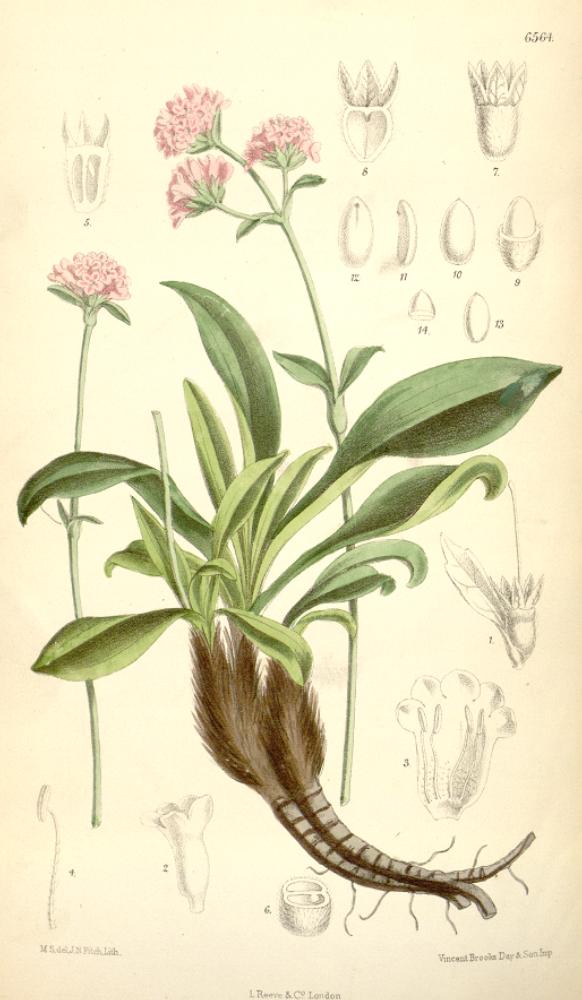
Botanical plate
Jatamansi (Spikenard),
as it actually grows.
Nardostachys jatamansi — spikenard, the Himalayan plant whose dark aromatic rhizome perfumed the ancient world and settles the mind in Ayurvedic tradition.
How to Use
Across the Three Kingdoms
One herb, prepared once, serving people, pets, and plants from a single botanical practice — each with its own measure and care.
People
Benefit
clear focus and a calm, settled mind — plus restful calm
How to Use
1 tsp in hot water, tea, or a smoothie, once daily.
Pets
Dogs & companion animals
Benefit
Aromatic nervine/calming tonic that supports a relaxed nervous system and restful balance.
How to Use
Offer a small pinch of the dilute powder or a few drops of the cooled water extract stirred into food, scaled to body weight; start at the low end. This is the dilute wellness tonic, NOT spikenard essential oil.
By Animal
Cats
The feline UGT1A6 pseudogene is genuine comparative biochemistry (5 deleterious mutations; cats poorly glucuronidate PLANAR PHENOLS like acetaminophen/eugenol/thymol).
Dogs
Well-tolerated in dogs; vet studies show no adverse behavior and only mild sedation/hypotension at dosed levels. Mild calming actives mean go light.
Horses
Not ASPCA-toxic; valerian-family aromatic generally hindgut-tolerated as a dilute tonic. Main concern is competition status (sedative), not toxicity.
Birds
Use a small, body-weight-scaled amount and start low; introduce gradually.
⚑ Sport horses: CAUTION for FEI/USEF sport horses: jatamansi's sedative/anxiolytic valerianoid actives (valeranone/jatamansone) fall in the controlled calming/sedative class. Valerian-type sedatives are FEI Banned/Controlled Medication; withdraw well before competition and do not administer in-competition.
Safety
Start low and observe. The active valerianoid sesquiterpenes (jatamansone/valeranone) are CNS-depressant and hypotensive, so use caution alongside sedatives, anxiolytics, anti-hypertensives, anti-depressants, or general anesthesia — discontinue several days before any planned surgery or anesthesia because of additive sedation/blood-pressure effects. Avoid or use only under veterinary guidance in pregnancy/lactation and in animals with pre-existing liver, kidney, or cardiovascular disease, or with hypotension. This rating is for the DILUTE hot-water extract / powder used as a wellness tonic; the concentrated spikenard ESSENTIAL OIL is a different, far more potent product and is not covered here (essential oils carry distinct phenol/volatile-aromatic risk, especially for cats and birds). Sedated animals should not be left unsupervised; keep fresh water available. Not a substitute for veterinary care; these are structure/function notes, not treatment claims.
Source: ASPCA Toxic and Non-Toxic Plants database (spikenard/Nardostachys jatamansi not listed as toxic to cats/dogs/horses); Hippocratic Journal of Unani Medicine 2023 safety study of N. jatamansi (no toxicity, contaminants within WHO limits, no adverse behavior); Drugs.com / Herbal Reality jatamansi monographs (sedative, hypotensive, caution with sedatives/anti-hypertensives); PMC central-nervous-system depressant activity studies; FEI Equine Prohibited Substances List & USEF Guidelines (sedatives/anxiolytics controlled).
Plants
Garden, soil & foliage
Benefit
whole-cycle vigor, resilience, and a living root zone
How to Use
Dilute 1/8 to 1/4 teaspoon per gallon of water. Foliar feed at the lighter rate, or soil drench at the fuller rate, about once a month or every other feeding. Used the entire way, through both vegetative growth and bloom.
Best for
Whole cycle — growth & bloomSafety
A dilute extract in the GGG Plants line; always dilute and start light.
Source: GGG Plants line formulation
Structure-and-function guidance for nutrition and vitality. Not intended to diagnose, treat, cure, or prevent any disease. Introduce one botanical at a time and notice how the body responds. Some plants interact with medication; if you are pregnant, nursing, or on a prescription, know the interaction before you begin.
What's inside
Jatamansi (Spikenard),
down to the molecule.
The signature compound of Jatamansi (Spikenard), rendered from its real structure in bronze and glass — the precise thing the plant carries, given the dignity it has earned.
The evidence chain
From the plant to the molecule to the body — traced.
Not a claim — a chain. Every link below traces to a primary record. This is what Jatamansi (Spikenard) is, measured.
The plant
Jatamansi (Spikenard)
carries the compound
Valerenic acid (CAUTION: established Valeriana marker, NOT a confirmed major Nardostachys constituent; included for the verified GABA-A target but flagged as cross-genus)
PubChem ↗serving the system
Nervous · Eyes
and the tradition independently agrees
Named for these systems in the recorded herbal lineage (Culpeper 1653, TCM, and cross-cultural materia medica) — tradition and the molecule, arrived at separately, converge.
Structure and function only. The chain describes the plant’s characterized chemistry and traditional use — not a claim to treat, cure, or prevent any disease.
How it works
How Jatamansi (Spikenard) works in the body
A herb is never one thing — it is a community of compounds, each meeting the body in its own way. These are the active molecules in Jatamansi (Spikenard) and the proteins each one is measured to engage: the precise points where the plant meets your biology. So you see not just that it works, but how.
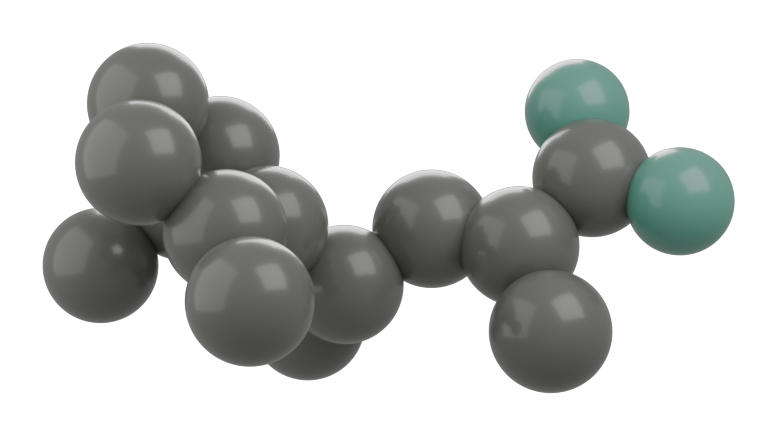
Valerenic acid (CAUTION: established Valeriana marker, NOT a confirmed major Nardostachys constituent; included for the verified GABA-A target but flagged as cross-genus)
PubChem ↗Measured to act on
A receptor that carries the brain's main calming signal, quieting nerve activity.
Concentrated in brain, retinastructure resolved ↗
A receptor that carries the brain's main calming signal, easing nerve excitability.
A gated channel that lets calming signals flow into nerve cells, settling their activity.
Measured in the lab
Real measurements from binding studies. A tighter fit means the compound meets its target more readily — the figure in grey is the actual measured value.
Binds to Retinoic acid receptor RXR-beta · EC50 5 µM
Cited science · not claims
Everything we publish about these plants traces to a primary source — the compounds to PubChem, ChEMBL, and BindingDB, the traditional uses to named, dated herbals. We describe what a plant is and what it is understood to nourish — the body’s own systems, structure and function only. We do not claim it treats, cures, or prevents any disease, and nothing here is a substitute for professional care. See our method & sources →
These statements have not been evaluated by the Food and Drug Administration. Not intended to diagnose, treat, cure, or prevent any disease.
Works alongside
Other herbs that share Jatamansi (Spikenard)'s terrain
Different plants reaching the same systems of the body — the convergence our genome engine maps. These nourish the terrain Jatamansi (Spikenard) supports: