root
Spirit Poria
Wolfiporia extensa
Also known as
Suitable For
A sclerotium that grows on pine roots, rich in triterpenes and polysaccharides. A calming botanical that settles the nervous system, anchors the mind, and supports restful, uninterrupted sleep.
What it nourishes in the body
The body systems this herb is traditionally understood to support — resolved through our knowledge graph, where the classical record and modern biology are read together. Structure and function, never a claim of treatment.
10:1 Concentrated Extract
Whole-plant. Small-batch. Potent.
How to take it
1/4 tsp (up to 1 tsp) in hot water, tea, coffee, a smoothie, or food, once daily — begin with light doses; our extracts are very potent.
Whole plant, never isolated
Concentrated extracts of the whole botanical — the way the body recognizes it.
Cited to measured biology
Every action we describe traces to the compound and its measured target.
Structure & function
We describe what an herb nourishes — never a claim to treat disease.
Secure checkout
Encrypted payment and human verification on every order.
The Botanical
Spirit Poria, in depth
Character
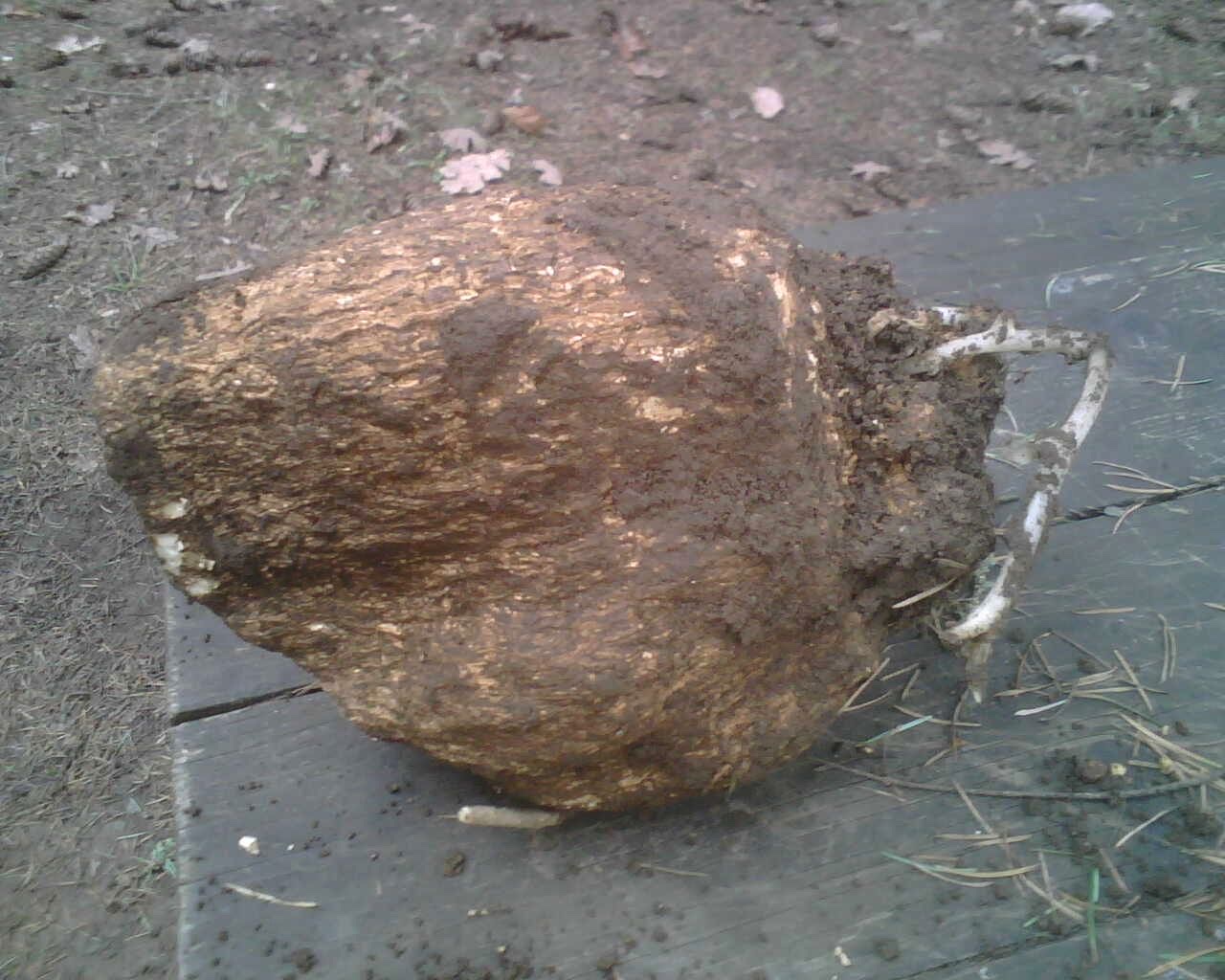
Spirit Poria (Wolfiporia extensa, known in older literature as Poria cocos and in the East Asian materia medica as Fu Ling) is not a root in the botanical sense but a sclerotium — a dense, compacted body of fungal tissue that forms underground on the roots of pine. It is, properly, a medicinal mushroom in its most concentrated form: where the visible mushroom is fleeting, the sclerotium is the organism's reserve, a slow-grown vault of stored substance. The name we carry it under, 茯神 (Fu Shen, "spirit poria"), refers specifically to the portion of the sclerotium that grows clasped around the pine's heart-root — the part the classical tradition reserved for the mind and the settled spirit, distinct from the outer flesh used for fluid work. Native to the pine forests of China, Korea, and Japan, it has been a cornerstone of the East Asian apothecary for two millennia, prized precisely because it is neutral, quiet, and broadly compatible — a harmonizing botanical of unusually gentle character.
In our cabinet, Spirit Poria sits among the clarity botanicals: a neutral-flavored, deeply grounding presence whose character is calm rather than stimulating. It does not push or drive; it settles. This is the herb of the steadied mind and the unhurried system — a botanical that anchors rather than excites, supporting a calm, settled clarity and the body's own rhythm of restful, uninterrupted ease. It is one of the gentlest, most broadly tolerated members of the entire medicinal-mushroom lineage, which is why the tradition reached for it constantly, in formula after formula, as the quiet center that lets companion herbs work without disturbing the ground beneath them.
In the Body
Spirit Poria engages the body across three quiet, interlocking systems — the nervous system, the body's natural fluid and digestive balance, and the immune system's own intelligence — and it does so through two well-established compound classes carried in the sclerotium: triterpenes and polysaccharides. The triterpenes (the lanostane-type acids that give Poria its identity in the fungal materia medica) are the constituents the tradition associated with its settling, anchoring character — the calm, grounded clarity for which we place it among the clarity botanicals, and its long classical use in support of the body's own healthy fluid balance. The polysaccharides — chiefly the beta-glucans that are the signature of every true medicinal mushroom — are the substrate the body's immune system is built to recognize. Rather than forcing anything, beta-glucans present the immune system with the molecular pattern it evolved to read, nourishing its natural function and its own balanced, self-regulating tone.
In practice this makes Spirit Poria a botanical of grounded equilibrium. It nourishes the nervous system toward a calm, settled clarity and supports the body's natural rhythm of restful ease — the steadied mind rather than the sedated one. Through its triterpene fraction it supports normal fluid balance and a comfortable, well-toned digestion, supporting the housekeeping the body performs for itself. Through its beta-glucan polysaccharides it nourishes the immune system's own intelligence and supports a balanced response to everyday stress. It is, throughout, a structure-supporting tonic: it works with the body's existing systems and feeds their innate capacity to find their own balance, which is exactly the gentleness that earned it its central place in the tradition.
The Tradition
Spirit Poria is one of the most extensively recorded botanicals in the classical East Asian materia medica, where it appears as Fu Ling (茯苓) for its broad harmonizing and fluid-balancing use and, in the specific spirit-root portion we carry, as Fu Shen (茯神) — the form the tradition reserved for the calm, settled mind. It is a foundational ingredient of the canonical formula tradition, anchoring such classical preparations as Wu Ling San, where it served as the neutral, harmonizing center that steadied and balanced the more active herbs around it. Across the East Asian apothecary lineage of China, Korea, and Japan, it has been valued for two thousand years precisely for its neutrality and gentleness — a food-grade fungus given freely in tonics for the settled spirit, comfortable digestion, and the body's own healthy fluid balance. It is this recorded lineage of the harmonizing, grounding sclerotium — not modern invention — that GGG NATURAL carries forward.
The fungus
Spirit Poria,
as it actually grows.
Wolfiporia extensa — fu ling, the buried fungal mass that grows on pine roots, sliced white and woven into more Chinese formulas than almost any other, quiet and harmonizing.
How to Use
Across the Three Kingdoms
One herb, prepared once, serving people, pets, and plants from a single botanical practice — each with its own measure and care.
People
Benefit
clear focus and a calm, settled mind — plus restful calm
How to Use
1/4 tsp (up to 1 tsp) in hot water, tea, coffee, a smoothie, or food, once daily — begin with light doses; our extracts are very potent.
Pets
Dogs & companion animals
Benefit
Supports normal fluid balance, healthy digestion, and a balanced immune/stress response.
How to Use
Add a small amount of the dilute hot-water extract or powder to food, scaled to body weight (start with a pinch for small pets, a little more for large dogs/horses). Mixes easily into wet food or a tonic.
By Animal
Cats
Food-grade fungus; no phenols/essential oils, so the feline glucuronidation concern does not apply. Mild diuretic — keep water available.
Dogs
Well-tolerated medicinal mushroom; mild diuretic effect documented in dogs at normal use. Beta-glucan supports balanced immunity.
Horses
No iodine, glycyrrhizin, or saponins; low-toxicity fungus, gentle on the hindgut at tonic doses. Mild diuretic — ensure free-choice water.
Birds
No essential oils or aromatic phenols, so the avian aromatic-oil sensitivity does not apply. Use a very small, body-weight-scaled amount in food.
⚑ Sport horses: CAUTION for FEI/USEF competition horses: Poria's mild diuretic action could be flagged. Diuretics are FEI Banned/Controlled substances and masking agents; verify the specific product in the FEI Equine Prohibited Substances Database and observe USEF withdrawal guidance before competition. Poria itself is not a named substance, but its diuretic effect is the relevant concern.
Safety
Spirit Poria (Wolfiporia extensa / Poria cocos / Fu Ling) is a food-grade medicinal-mushroom sclerotium with very low documented oral toxicity (no toxic effects in rodents at 100-382x the clinical dose, no cumulative toxicity), and it contains no essential oils, phenols/eugenol, glycyrrhizin, iodine, or saponins — so the usual cat-aromatic, horse-iodine/licorice, and bird-essential-oil concerns do not apply. Its one inherent property is a mild diuretic action (documented in dogs, rabbits, and rats, classically in the Wu Ling San formula): keep fresh water available, do not use in dehydrated animals, and use cautiously alongside prescription diuretics, lithium, or other drugs where fluid/electrolyte shifts matter. As a beta-glucan immunomodulator, use caution in animals on immunosuppressive drugs or with autoimmune disease. Conditional cases — pregnancy/lactation, pre-existing kidney or liver disease, animals on multiple medications, or scheduled surgery — warrant veterinary sign-off first. Start low, observe for rare allergic reactions (itching, GI upset), and increase gradually. This is a wellness tonic, not a treatment for any disease; consult your veterinarian for unwell animals.
Source: Frontiers in Pharmacology 2020 peer-reviewed review (Phytochemistry and Pharmacological Activities of Wolfiporia cocos, doi:10.3389/fphar.2020.505249 — low toxicity, no problem at 6-18 g/day oral, diuretic in rats); Drugs.com Poria monograph and Herbal Reality Fu Ling (food-grade, diuretic, occasional allergic reaction only); ASPCA Animal Poison Control toxic/non-toxic plant database (Poria/Wolfiporia not listed as toxic to cats, dogs, or horses); FEI Equine Prohibited Substances Database / USEF Drugs & Medications Guidelines (diuretics as controlled/banned).
Plants
Garden, soil & foliage
Benefit
whole-cycle vigor, resilience, and a living root zone
How to Use
Dilute 1/8 to 1/4 teaspoon per gallon of water. Foliar feed at the lighter rate, or soil drench at the fuller rate, about once a month or every other feeding. Used the entire way, through both vegetative growth and bloom.
Best for
Whole cycle — growth & bloomSafety
A dilute extract in the GGG Plants line; always dilute and start light.
Source: GGG Plants line formulation
Structure-and-function guidance for nutrition and vitality. Not intended to diagnose, treat, cure, or prevent any disease. Introduce one botanical at a time and notice how the body responds. Some plants interact with medication; if you are pregnant, nursing, or on a prescription, know the interaction before you begin.
What's inside
Spirit Poria,
down to the molecule.
The signature compound of Spirit Poria, rendered from its real structure in bronze and glass — the precise thing the plant carries, given the dignity it has earned.
The evidence chain
From the plant to the molecule to the body — traced.
Not a claim — a chain. Every link below traces to a primary record. This is what Spirit Poria is, measured.
The plant
Spirit Poria
serving the system
Nervous · Digestive
and the tradition independently agrees
Named for these systems in the recorded herbal lineage (Culpeper 1653, TCM, and cross-cultural materia medica) — tradition and the molecule, arrived at separately, converge.
Structure and function only. The chain describes the plant’s characterized chemistry and traditional use — not a claim to treat, cure, or prevent any disease.
How it works
How Spirit Poria works in the body
A herb is never one thing — it is a community of compounds, each meeting the body in its own way. These are the active molecules in Spirit Poria and the proteins each one is measured to engage: the precise points where the plant meets your biology. So you see not just that it works, but how.
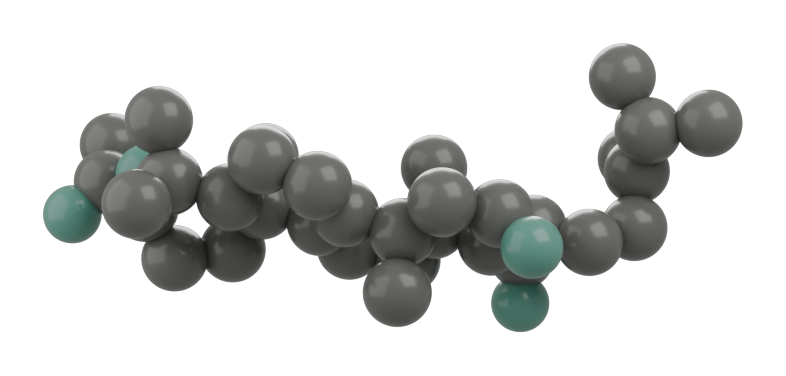
Pachymic acid
PubChem ↗Measured to act on
An enzyme that releases fatty acids from cell membranes, starting inflammation-signaling cascades.
Cited science · not claims
Everything we publish about these plants traces to a primary source — the compounds to PubChem, ChEMBL, and BindingDB, the traditional uses to named, dated herbals. We describe what a plant is and what it is understood to nourish — the body’s own systems, structure and function only. We do not claim it treats, cures, or prevents any disease, and nothing here is a substitute for professional care. See our method & sources →
These statements have not been evaluated by the Food and Drug Administration. Not intended to diagnose, treat, cure, or prevent any disease.
Works alongside
Other herbs that share Spirit Poria's terrain
Different plants reaching the same systems of the body — the convergence our genome engine maps. These nourish the terrain Spirit Poria supports: