mineral
Activated Charcoal
Suitable For
Carbon processed to an immense internal surface area — a single gram can span thousands of square feet. It traps compounds in the digestive tract to support comfort during occasional upset.
What it nourishes in the body
The body systems this herb is traditionally understood to support — resolved through our knowledge graph, where the classical record and modern biology are read together. Structure and function, never a claim of treatment.
Whole Herb
Whole-plant. Small-batch. Potent.
How to take it
1/4 to 1/2 tsp stirred into a full glass of water, away from meals and medications, then follow with more water. Not taken with food or other supplements.
Whole plant, never isolated
Concentrated extracts of the whole botanical — the way the body recognizes it.
Cited to measured biology
Every action we describe traces to the compound and its measured target.
Structure & function
We describe what an herb nourishes — never a claim to treat disease.
Secure checkout
Encrypted payment and human verification on every order.
The Mineral
Activated Charcoal, in depth
Character
Activated charcoal is not an herb in the botanical sense but a mineral transformation of one — carbon drawn from coconut shell, hardwood, or peat, then fired and steam-activated until each particle blooms into a vast, porous lattice. A single gram of it unfolds an internal surface measured in thousands of square feet, a microscopic cathedral of carbon. This immensity of surface is its entire character: charcoal works not by chemistry but by geometry, offering an almost limitless terrain onto which loose, unwanted compounds in the digestive tract can settle and bind. It is inert, non-absorbed, and inanimate — it passes through the body unchanged, carrying with it whatever it has gathered along the way.
In the lineage of the apothecary, charcoal sits among the great binders and clarifiers, kin to bentonite clay — the mineral counterparts to the green and rooted herbs. Where a bitter root rouses a sluggish gut and a demulcent soothes a raw one, charcoal does something more elemental: it sweeps. It is the apothecary's instrument of gentle interior housekeeping, prized across every culture that ever sat a fire down to embers and noticed that what was left behind could support a settled, comfortable stomach. Neutral in flavor, neutral in nature, it asks nothing of the body's metabolism and adds nothing to its chemistry — it simply lends its surface to the work of cleansing and lets the body carry on.
In the Body
Activated charcoal engages the digestive system, and it does so through pure physical adsorption rather than any metabolic action. Its activated carbon framework — a sponge-like architecture of micropores and channels — presents an enormous binding surface as it travels the length of the gut. Onto that surface, transient gases and miscellaneous loose compounds in the digestive tract adhere and are escorted onward, which is why it has always been the apothecary's tool for supporting comfort during occasional, ordinary upset and for supporting ease around a feeling of fullness or trapped gas. It nourishes the digestive system's own rhythm of clearing and renewal by lightening the load of what passes through, leaving the gut feeling settled, unburdened, and at ease.
The defining feature of charcoal — and the source of its discipline — is that its binding is entirely non-selective. The same vast surface that gathers unwanted compounds will, with equal indifference, take up water-soluble nutrients, vitamins, and any oral preparation present at the same moment. This is structure, not weakness: it is precisely why charcoal is taken on its own, in a full glass of water, well away from meals, supplements, and medications, so that its surface is offered only to what one means to clear. Because it is carbon and nothing more, it carries no flavor, no alkaloids, no actives — it neither feeds nor stimulates the body, but simply supports the gut's natural capacity to move on cleanly. Free water alongside it keeps the whole passage supple and smooth.
The Tradition
Charcoal's place in the materia medica is ancient and continuous: the carbon left in the ashes of a wood fire was among the earliest interior cleansers known to humankind, recorded in Egyptian practice and threaded through the folk traditions of every hearth-keeping culture for supporting a settled, comfortable stomach. The Old English herbals and the later Western apothecary kept it as a trusted domestic support for occasional digestive ease, and the Thomsonian and household-physic traditions of the nineteenth century carried it forward as a staple of the home medicine chest. In the GGG lineage it serves all three kingdoms — as a gentle binding and cleansing support for People, as a settling adsorbent for the digestion of Pets across cats, dogs, horses, and birds, and, in dilute drench and foliar form, as a traditional support for the vigor and rooting of Plants — one mineral, neutral and elemental, carried through the whole tradition.
The carbon
Activated Charcoal,
as it actually grows.
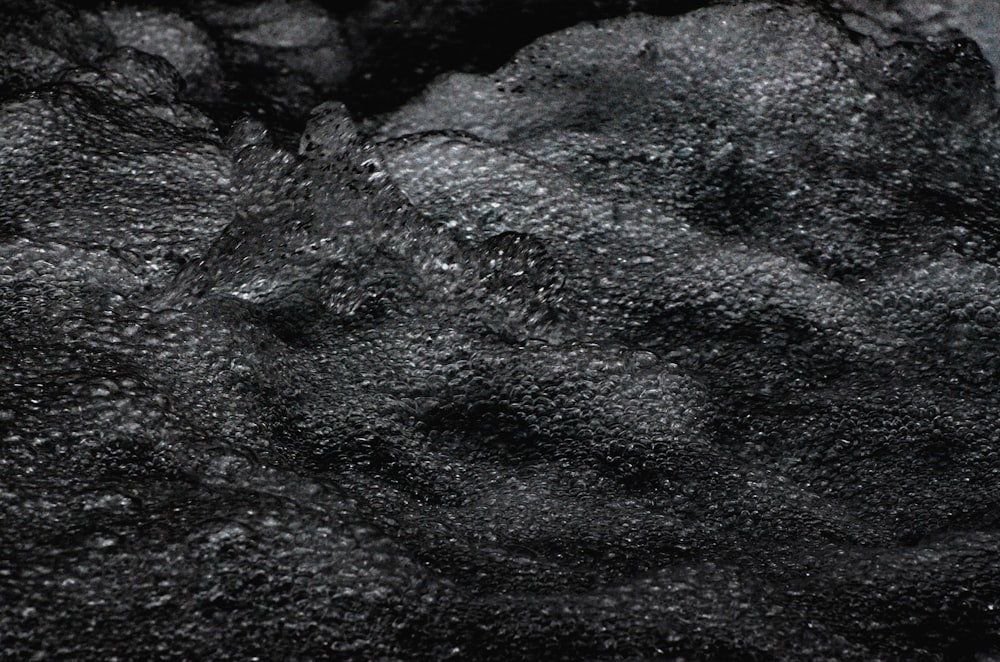
Activated charcoal — carbon, often from coconut shell, steam-opened into a vast porous lattice that binds by surface area alone. A traditional purifier and a modern apothecary staple.
How to Use
Across the Three Kingdoms
One herb, prepared once, serving people, pets, and plants from a single botanical practice — each with its own measure and care.
People
Benefit
gentle binding and cleansing support
How to Use
1/4 to 1/2 tsp stirred into a full glass of water, away from meals and medications, then follow with more water. Not taken with food or other supplements.
Pets
Dogs & companion animals
Benefit
Supports normal digestion and gut comfort by binding gas and unwanted gut compounds.
How to Use
Give a small pinch of the dilute powder/extract stirred into food, scaled to body weight, away from meals and medications.
By Animal
Cats
Inert adsorbent, not metabolized; safe for cats — no phenol/glucuronidation concern since it is non-absorbed carbon.
Dogs
Standard, well-tolerated GI adsorbent in dogs; black stool is normal and harmless.
Horses
Wide safety margin in horses; no adverse effect on hindgut microbial fermentation, gas, VFA, or pH in studies.
Birds
Long-used avian digestive/detox grit supplement; use finely milled food-grade form with good hydration.
⚑ Sport horses: Activated charcoal is an inert adsorbent, not itself an FEI/USEF prohibited or controlled substance. However, because it non-selectively binds orally administered drugs, do not rely on it to clear a positive and keep it separated from any permitted oral medication; if used near competition, confirm timing with the team veterinarian.
Safety
Activated charcoal is an inert, non-absorbed adsorbent with a wide safety margin across species, so it is well-tolerated by healthy cats, dogs, horses, and birds in moderate use; it is not systemically absorbed and is not toxic to any of these species. The dominant practical caveat applies to ALL species and is conditional, not a per-species class downgrade: charcoal non-selectively adsorbs whatever is in the gut at the same time, so it will blunt the absorption of concurrently administered oral medications, dewormers, and water-soluble nutrients/vitamins — separate it from any drug or feed by at least 1-2 hours. With regular/high intake, expect black stools and watch for constipation; ensure free access to water, because dehydration plus repeated dosing can rarely raise blood sodium (hypernatremia). Do not give to an animal that is vomiting, has an unprotected airway, suspected GI obstruction/perforation, or reduced gut motility (aspiration/impaction risk). In animals on chronic essential medications (e.g., thyroid, anticonvulsant, cardiac, immunosuppressant drugs) coordinate timing with the prescribing veterinarian so charcoal does not reduce drug levels. Start low and introduce gradually. Birds: use a finely milled, food-grade product and avoid impaction by ensuring adequate hydration. None of these are reasons to avoid it in a healthy animal in normal use — they are dosing/timing and pre-existing-condition caveats.
Source: Merck/MSD Veterinary Manual (Principles of Toxicosis Treatment); PetMD "Activated Charcoal for Dogs and Cats"; MSPCA-Angell clinical activated charcoal guidance; ASPCApro "Questions to Help You Use Activated Charcoal Safely in Animals"; Kentucky Equine Research (activated charcoal in horses, hindgut study); Hagen Avicultural Research Institute (HARI) avian charcoal supplement; FEI Equine Prohibited Substances List / USEF Drugs & Medications Guidelines.
Plants
Garden, soil & foliage
Benefit
whole-cycle vigor, resilience, and a living root zone
How to Use
Dilute 1/8 to 1/4 teaspoon per gallon of water. Foliar feed at the lighter rate, or soil drench at the fuller rate, about once a month or every other feeding. Used the entire way, through both vegetative growth and bloom.
Best for
Whole cycle — growth & bloomSafety
A dilute extract in the GGG Plants line; always dilute and start light.
Source: GGG Plants line formulation
Structure-and-function guidance for nutrition and vitality. Not intended to diagnose, treat, cure, or prevent any disease. Introduce one botanical at a time and notice how the body responds. Some plants interact with medication; if you are pregnant, nursing, or on a prescription, know the interaction before you begin.
What's inside
Activated Charcoal,
down to the molecule.
The signature compound of Activated Charcoal, rendered from its real structure in bronze and glass — the precise thing the plant carries, given the dignity it has earned.
Works alongside
Other herbs that share Activated Charcoal's terrain
Different plants reaching the same systems of the body — the convergence our genome engine maps. These nourish the terrain Activated Charcoal supports: