
For Pets
Mind
Keep the spark in the senior years.
As animals age, the small signals of a sharp mind — the perked ear at the door, the quick recognition, the curiosity for a new corner of the yard — can begin to dim. Sage is built to support that spark, holding mental sharpness and day-to-day engagement so an older companion stays present and connected to the household.
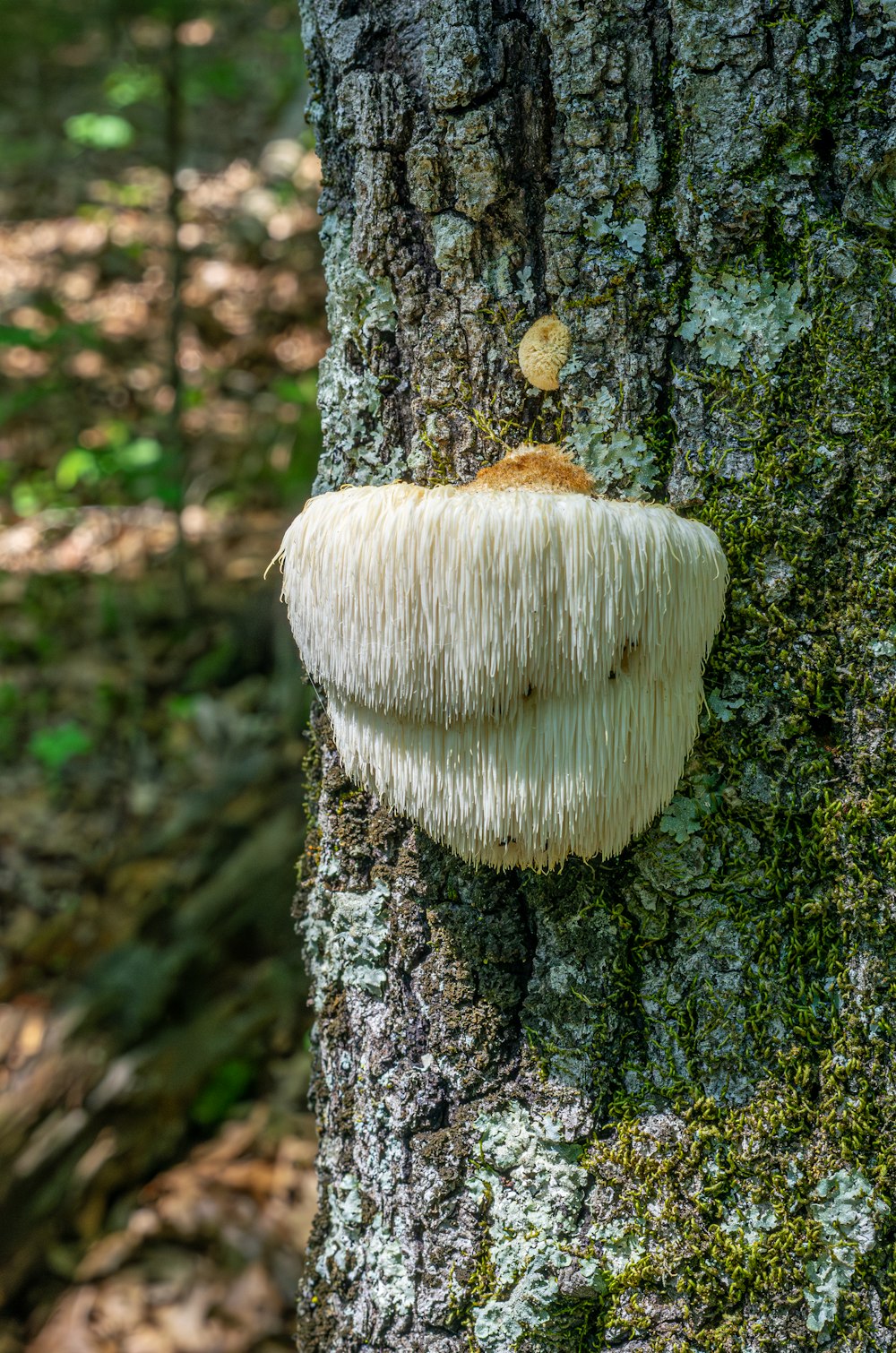
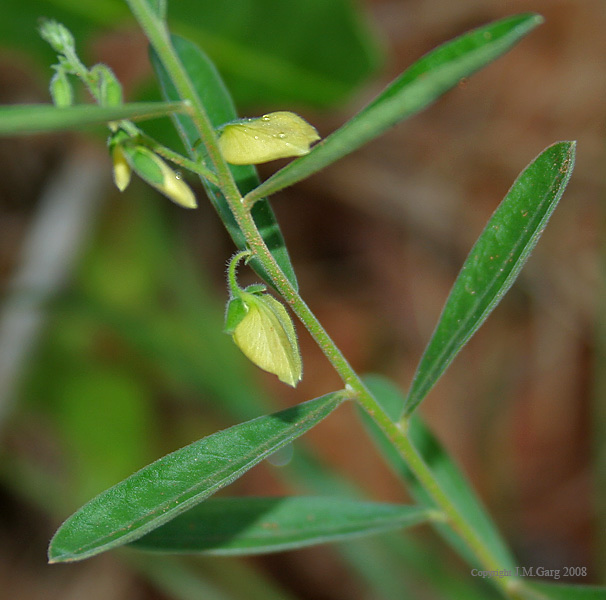
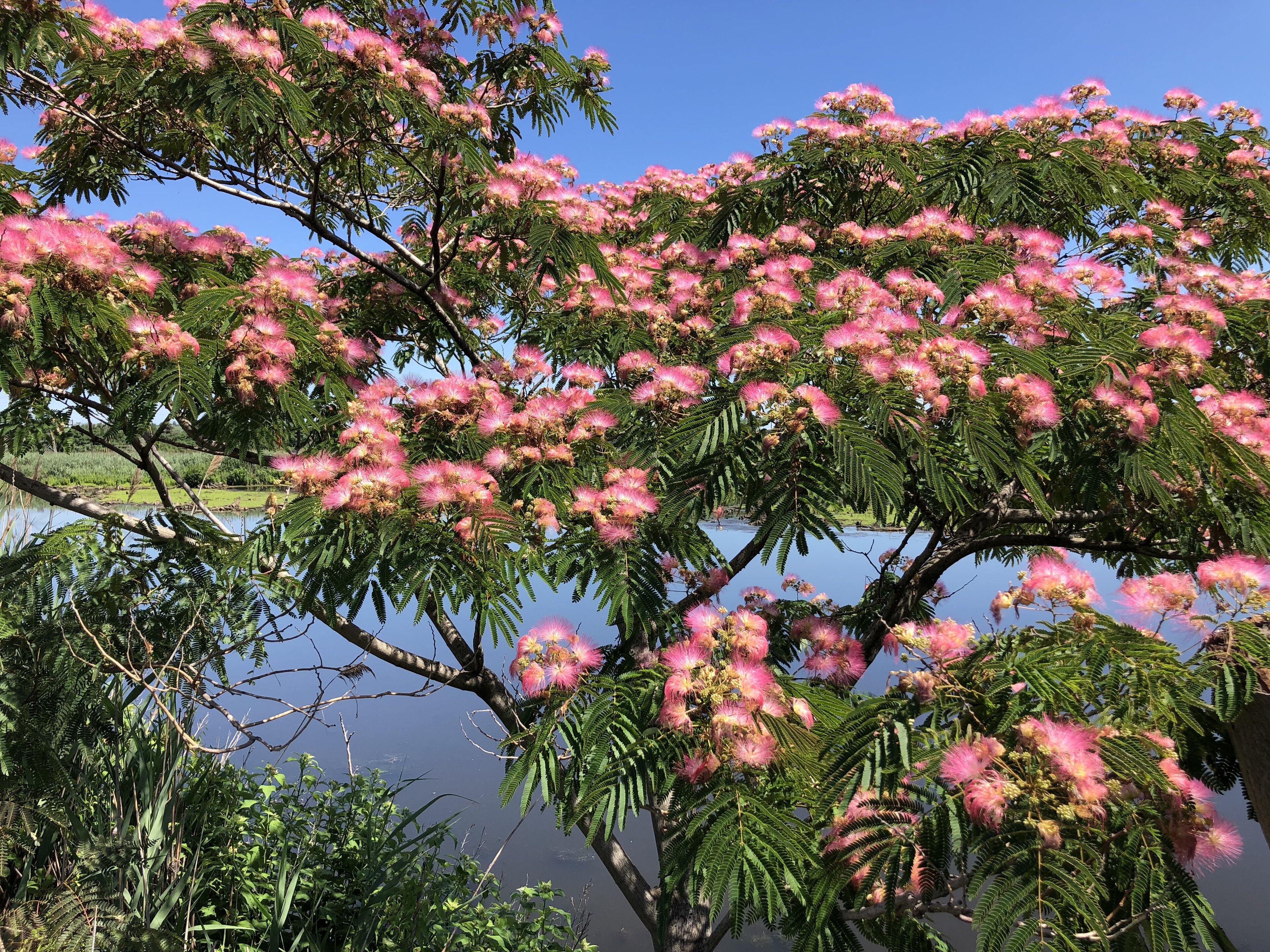
It leans on Lion's Mane, the mushroom East Asian and Japanese traditions have long prized and kept near the senior companion, alongside Polygala and Albizia — roots classical East Asian herbalism reserved to settle the spirit and brighten the disposition. Together they carry the erinacines and hericenones, tenuifolin, and saponin glycosides characterized in our molecular data: less restless wandering, more steady interest in the world.
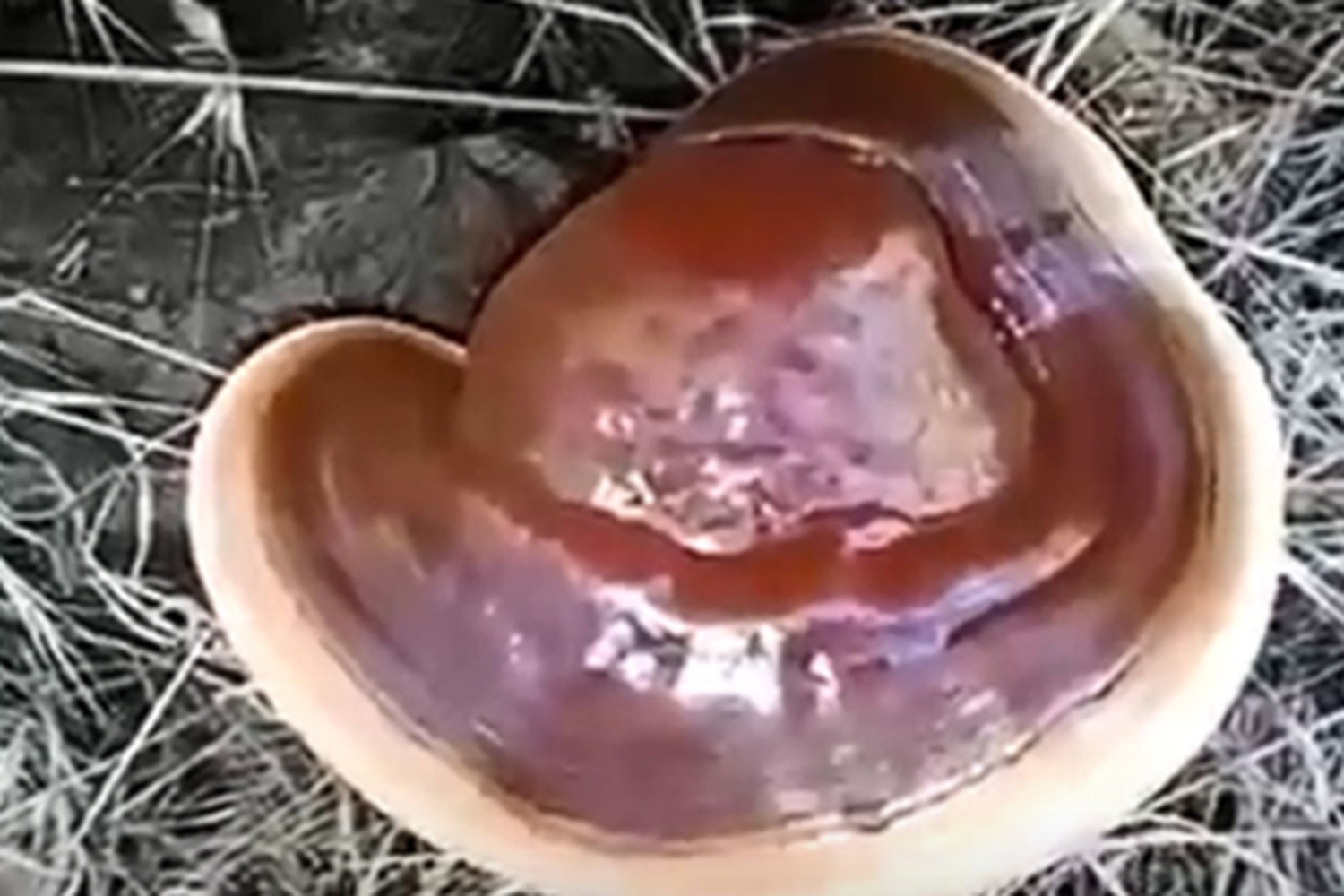
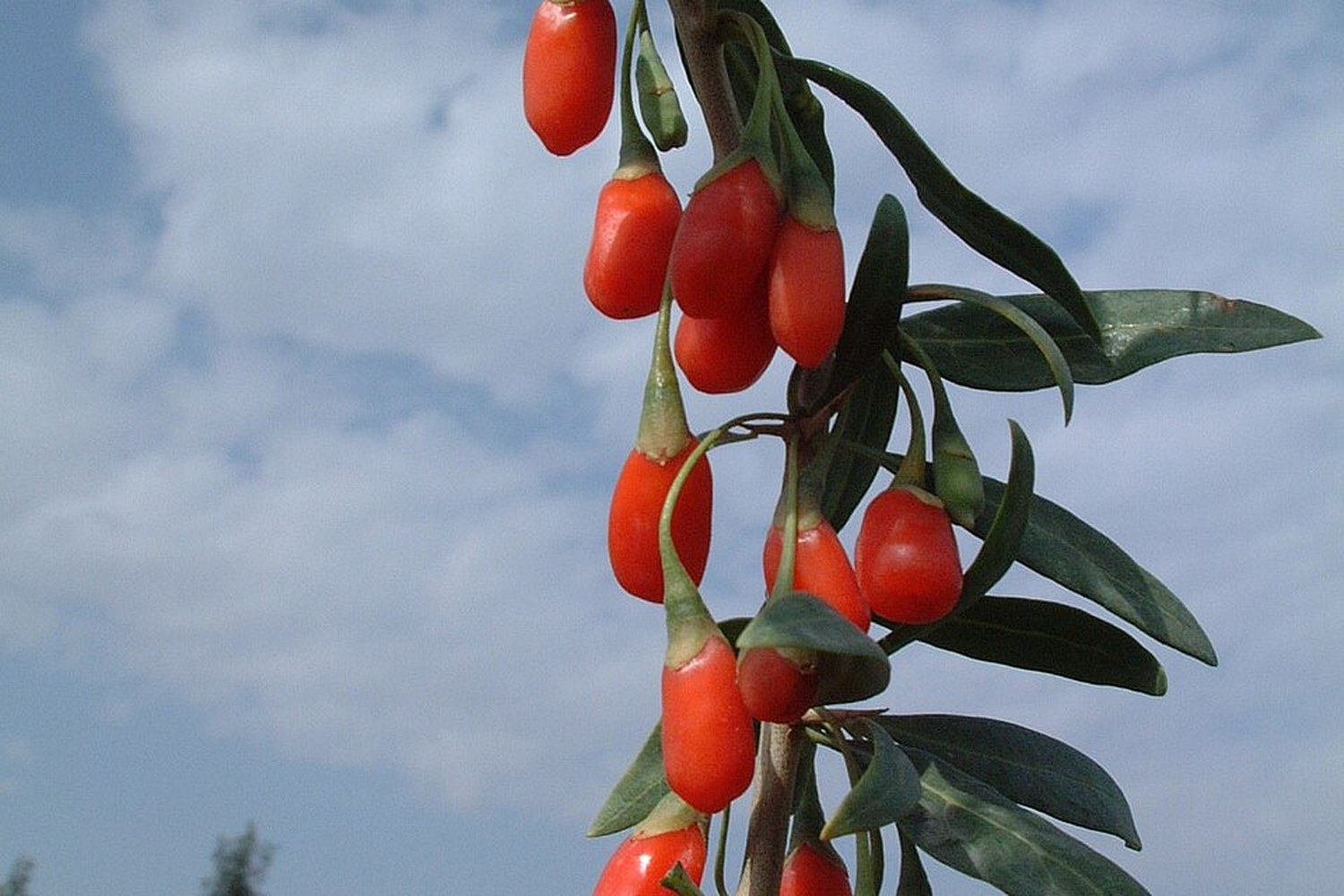
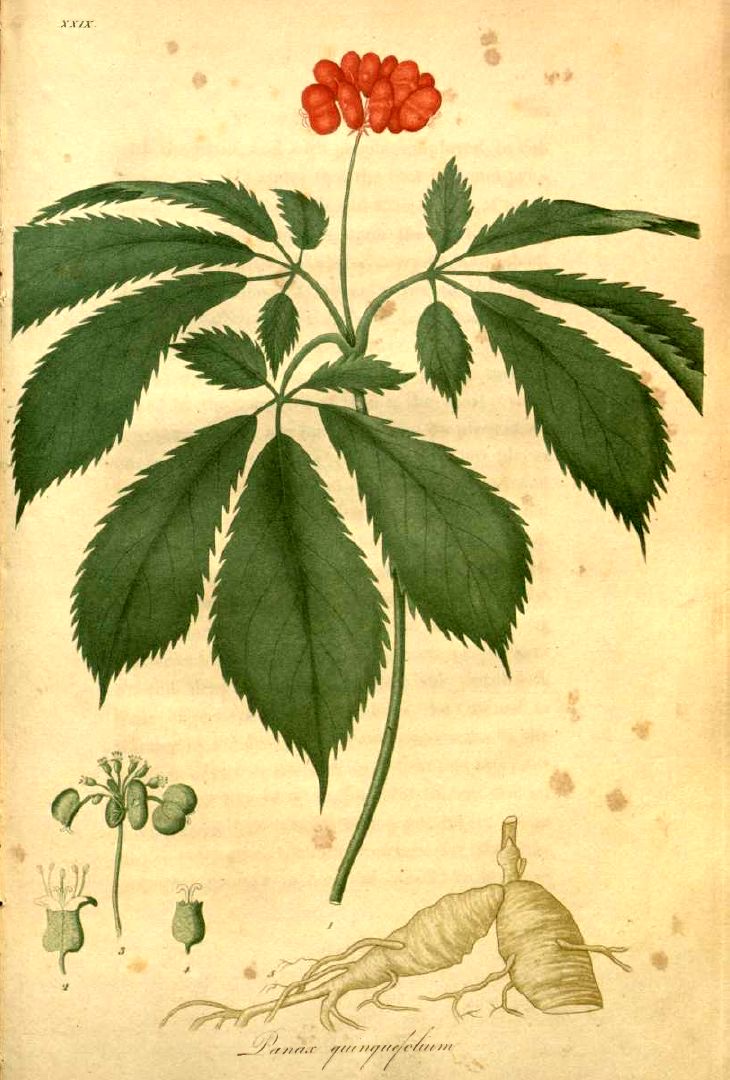
Reishi, Goji, and American Ginseng carry the vitality side, offering the gentle, cooling, well-tolerated support an aging body can absorb day after day without overstimulation.
The characterized botanicals inside
Whole botanicals with compounds characterized in the scientific literature, used across centuries of traditional practice. We share the chemistry and the tradition — food and lineage, never a claim to treat any condition.
For Pets
Small-batch. Dual-extracted where it matters. Made by hand.
How to take it
Stir a small amount of the dilute extract or powder into food once daily, scaled to your animal's body weight. Start low and build gradually as it settles into the routine.
Whole plant, never isolated
Concentrated extracts of the whole botanical — the way the body recognizes it.
Cited to measured biology
Every action we describe traces to the compound and its measured target.
Structure & function
We describe what an herb nourishes — never a claim to treat disease.
Secure checkout
Encrypted payment and human verification on every order.
- Free shipping over $150USPS Priority, tracked. $15 standard; ships in 1–3 business days.
- 30-day returnsIn original packaging and resalable condition. Refunded to your original payment method.
What you get
What this formula gives you
Supports mental sharpness and recognition in aging animals
Encourages day-to-day engagement and curiosity
Polygala and Albizia — the tradition's spirit-settling roots
Gentle vitality support an older body can take in stride
Food-grade and scaled to body weight
How it works
The science of Mind
Not buzzwords — the actual chemistry of the plants in this formula: their characterized compounds and the proteins those compounds are measured to engage, every one cited.
Lion's Mane (Hericium erinaceus) is the storied mushroom of the roster, traditionally valued in East Asian and Japanese herbalism and carrying the erinacines and hericenones characterized in our molecular data. Polygala and Albizia are classical East Asian shen roots — Polygala, source of the saponin tenuifolin, used to open and quiet the heart-mind, and Albizia, the collective-happiness bark with its julibroside glycosides, kept by the tradition for the low and withdrawn. These are the constituents and the lineage, named for what each genuinely carries rather than any condition.
Reishi is a revered East Asian adaptogenic mushroom traditionally used to settle the spirit and support resilience, while Goji berry is a gentle, palatable sweet-and-sour tonic berry and American Ginseng a cooling, non-overstimulating adaptogen well-suited to older animals. These are structure/function botanicals chosen for their real character and gentleness — not a treatment for any condition.
The molecules, measured
A formula is a community of compounds. Below are active molecules from the herbs in this blend and the proteins each is measured to engage — the precise points where the plants meet biology. So you see not just that it works, but how.
Hericium erinaceus
Ergosterol
PubChem ↗Measured to act on
An enzyme that adjusts protein activity and helps the cell clear damaged material.
A cellular pump that escorts foreign compounds out of cells.
An enzyme immune cells switch on to make nitric oxide, a signaling molecule of the inflammatory response.
Polygala tenuifolia
3,4,5-Trimethoxycinnamic acid
PubChem ↗Measured in the lab: binds to 5-hydroxytryptamine receptor 2C · IC50 2.5 µM
Measured to act on
A serotonin receptor involved in mood, calm, and nervous-system signaling.
A serotonin receptor in the brain involved in mood, perception, and signaling.
A serotonin receptor that helps govern appetite, mood, and emotional balance.
Albizia julibrissin
Quercetin
PubChem ↗Measured in the lab: binds very tightly to Amine oxidase [flavin-containing] A · IC50 10 nM
Measured to act on
A protein that stabilizes the internal tracks neurons use to transport materials along their length.
An enzyme that converts excess glucose into sorbitol, part of normal sugar metabolism.
A liver-family enzyme that helps the body break down compounds, including hormones and environmental substances.
Kaempferol
PubChem ↗Measured in the lab: binds very tightly to Carbonic anhydrase 7 · Ki 25 nM
Measured to act on
A major liver enzyme that processes a wide range of compounds the body takes in.
A liver enzyme that helps break down and process many compounds and natural substances.
An enzyme that trims small signaling peptides, part of how the body regulates blood-sugar hormones.
Ganoderma lucidum
Ganoderic acid A
PubChem ↗Measured to act on
An enzyme that locally regenerates active cortisol, shaping how tissues respond to the body's stress hormone.
An enzyme that quiets cortisol inside kidney and salt-handling tissues, helping govern fluid and mineral balance.
An enzyme that converts glucose into sorbitol, part of how cells handle sugar.
Ganoderic acid B
PubChem ↗Measured to act on
The enzyme that breaks down acetylcholine, resetting nerve and muscle signals between pulses.
A blood enzyme that breaks down acetylcholine and helps clear certain compounds from circulation.
An enzyme that converts glucose into sorbitol, part of how cells handle sugar.
Lycium barbarum
Betaine
PubChem ↗Measured to act on
An enzyme that recycles the amino acid homocysteine back into methionine using betaine.
Scopoletin
PubChem ↗Measured in the lab: binds tightly to Carbonic anhydrase 9 · Ki 960 nM
Measured to act on
An enzyme that helps cells balance acidity by managing carbon dioxide.
Panax quinquefolius
Ginsenoside Rb1
PubChem ↗Measured to act on
The cell's energy sensor, switching on fuel-burning pathways when energy runs low.
Cited science · not claims
Everything we publish about these plants traces to a primary source — the compounds to PubChem, ChEMBL, and BindingDB, the traditional uses to named, dated herbals. We describe what a plant is and what it is understood to nourish — the body’s own systems, structure and function only. We do not claim it treats, cures, or prevents any disease, and nothing here is a substitute for professional care. See our method & sources →
These statements have not been evaluated by the Food and Drug Administration. Not intended to diagnose, treat, cure, or prevent any disease.
Why these herbs together
The shared mechanism
More than one botanical in this blend is measured to engage the same molecular targets. We share the convergent chemistry — characterized and cited, never a claim.
Polygala · Reishi · Goji Berry
Polygala · Reishi · Goji Berry
Albizia · Reishi · Goji Berry
Albizia · Reishi · Goji Berry
Albizia · Reishi · American Ginseng
Albizia · Reishi · American Ginseng
Each convergence is a gene whose protein two or more of this formula’s herbs are measured to engage (PubChem BioAssay & ChEMBL). It describes characterized molecular activity and the protein’s normal role — structure and function only, never a claim to treat, cure, or prevent any disease.
In practice
Who it’s for, and how to use it
Who it’s for
For senior dogs, cats, and other companion animals whose pace has slowed and whose owners want to support their mental sharpness and engagement. Gentle enough for daily use in an aging body.
How to use it
Stir a small, body-weight-scaled amount into your animal's food once a day, starting low and increasing gradually. Best used as a steady daily ritual rather than an occasional dose.
Measure · Stir a small amount of the dilute extract or powder into food once daily, scaled to your animal's body weight. Start low and build gradually as it settles into the routine.
What’s inside
Inside you'll find Lion's Mane for the nerves, the East Asian spirit-settling roots Polygala and Albizia for mood and engagement, and Reishi, Goji berry, and American Ginseng for gentle, lasting vitality — chosen for older companions and kept gentle throughout.
Structure-and-function support for animal nutrition and vitality. Introduce gradually and watch how your companion responds. Not intended to diagnose, treat, cure, or prevent any disease. If your animal is pregnant, nursing, or on medication, consult your veterinarian first.
Pairs well with
Formulas that share Mind's botanicals
Built from overlapping herbs, these reinforce Mind along the same lines — the shared-botanical kinship our genome engine maps.